Quick Answer: Does roof colour affect how hot your home gets?
Yes. Roof colour affects how much solar heat the roof absorbs. Lighter roof colours usually reflect more sunlight and absorb less heat, while darker roof colours absorb more heat. This is why roof colour can affect roof space temperature, thermal comfort and the overall performance of a home, especially during hot NSW summers.
For homeowners in Sydney, Newcastle and the Central Coast, roof colour should not be chosen from appearance alone. The right choice depends on the roof material, tile condition, insulation, ventilation, local exposure, existing roof coating and whether the roof should be painted, repaired or partly replaced.
What Is Solar Absorptance?
Solar absorptance is the proportion of solar radiation absorbed by a roof surface.
In simple terms:
- Lower solar absorptance means more heat is reflected
- Higher solar absorptance means more heat is absorbed
- Light roof colours usually have lower solar absorptance
- Dark roof colours usually have higher solar absorptance
This matters because the roof is one of the largest exposed surfaces on a home. On a hot day, a dark roof can absorb and hold significantly more heat than a lighter roof. That heat can then transfer into the roof space and affect the home’s thermal comfort, especially if the ceiling insulation or roof ventilation is poor.
Light Roof vs Dark Roof: Why the Difference Matters
The difference between a light roof and a dark roof can be significant.
A light roof colour can reduce roof surface temperature compared with a dark roof colour. That does not mean the inside of the home will automatically become dramatically cooler, because indoor comfort also depends on insulation, ventilation, windows, shading and building design. However, roof colour is still an important part of the overall heat-performance picture.
For NSW homes, this becomes especially important in:
- Hot western Sydney suburbs
- Exposed Newcastle and Hunter properties
- Coastal Central Coast homes with strong sun and humidity
- Older homes with limited roof insulation
- Homes with large unshaded roof areas
- Roof restorations where the owner can choose a new colour
The practical lesson is simple: if heat reduction is a priority, avoid choosing a dark roof colour purely because it looks modern.
Light, Medium and Dark Roof Colours
Light Roof Colours
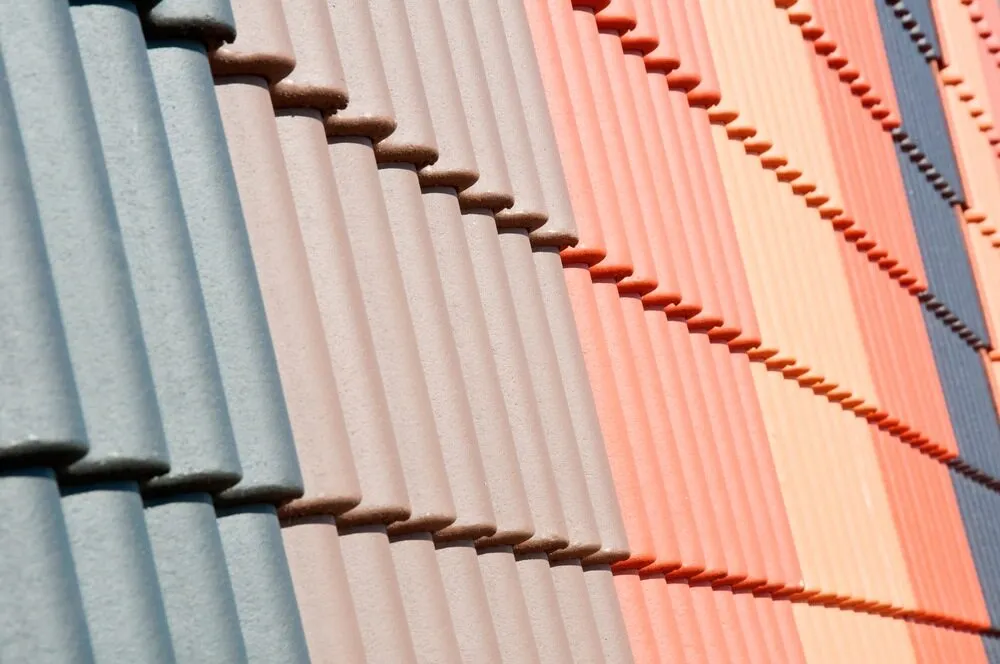
Light roof colours usually reflect more sunlight and absorb less heat.
They can be a good option for:
- Hot and exposed homes
- Properties with limited shade
- Homes with large roof areas
- Roof spaces that overheat
- Concrete tile roof restorations
- Energy-conscious renovations
- Homeowners wanting to reduce heat absorption
Common examples include off-white, pale grey, light beige, light neutral and some lighter Colorbond-style tones.
The trade-off is appearance and maintenance. Very light colours may show dirt, lichen, leaf staining and pollution more easily, especially in coastal or tree-lined suburbs.
Medium Roof Colours
Medium roof colours can be a practical compromise.
They may not reflect as much heat as very light colours, but they often suit established homes better and can still perform better than very dark colours.
Medium-light greys, muted neutrals, warm beige tones and earthy colours can work well when a homeowner wants improved heat performance without creating a stark visual contrast.
For many NSW homes, a medium-light colour is often the best balance between appearance, heat performance and long-term practicality.
Dark Roof Colours
Dark roof colours absorb more heat.
They can look sharp on modern homes, but they are not always the best choice for hot, exposed or poorly insulated properties. A dark roof can increase roof surface temperature and contribute to roof space heat, especially during long summer afternoons.
A dark roof is not always wrong, but it should be chosen deliberately. If the home already struggles with heat, a dark roof colour may make the problem worse.
Roof Colour and BASIX in NSW
In NSW, roof colour can be relevant to BASIX and thermal performance considerations because of solar absorptance.
For new builds, extensions and major renovations, the selected roof colour may need to align with BASIX documentation or thermal performance assumptions. A lighter colour with lower solar absorptance may help reduce roof heat gain, while a darker colour may increase it.
For homeowners, this means roof colour is not just a design decision. It can form part of the home’s energy and comfort strategy.
For builders and renovators, it is worth checking roof colour early in the project, especially when working on:
- New homes
- Extensions
- Re-roofing projects
- Roof restorations
- Homes in hot or exposed locations
- Projects with BASIX or energy performance requirements
Why Roof Colour Matters in Sydney, Newcastle and the Central Coast
Sydney Homes
In Sydney, roof colour matters most in hot, exposed suburbs, especially where homes have large roof areas, limited shade or dark external finishes.
Western Sydney and outer suburban areas can experience higher heat exposure than coastal suburbs. In these areas, a lighter or medium-light roof colour may help reduce roof surface temperature and improve the home’s overall thermal strategy.
For older Sydney homes, the decision is often more complex. The roof colour also needs to suit brickwork, render, streetscape, heritage character and existing tile material.
Newcastle and Hunter Homes
Newcastle, Lake Macquarie, Maitland, and the Hunter region often experience a mix of coastal exposure, summer heat, storms, and older concrete or terracotta-tiled roofs.
For these homes, roof colour should be considered alongside roof condition. If concrete tiles are faded, chalky, porous or cracked, the roof may need repairs before coating. If terracotta tiles are glazed, brittle or weathered, the surface should be assessed carefully before any coating decision is made.
For hot, exposed homes in Newcastle and the Hunter, a lighter or medium-light roof colour may be a smart option, but only if the roof surface is suitable for coating.
Central Coast Homes
Central Coast roofs often face sun, humidity, salt air, moss, lichen, and storm exposure.
In areas such as Doyalson, Wyong, Gosford, Kincumber, Terrigal and surrounding suburbs, roof paint selection should consider more than colour. The coating system needs to suit coastal conditions, surface preparation, roof material and long-term weather exposure.
A lighter roof colour may help reduce heat absorption, but the coating still needs the right primer, membrane and preparation. A good colour applied over a poorly prepared roof will not perform properly.
Roof Paint vs Roof Tile Material
Roof colour performance depends on more than the colour name. The roof material matters.
Concrete tile, terracotta tile, and Colorbond roofs can all behave differently under heat, weather, and coating systems.
Before choosing roof paint, ask:
- Is the roof concrete, terracotta or metal?
- Is the surface painted, glazed, coated or natural?
- Are there cracked or broken tiles?
- Is the surface porous or chalky?
- Has the roof been coated before?
- Is the roof exposed to salt air, moss or lichen?
- Does the colour suit the home and local conditions?
A lighter colour will not fix a roof that is already failing. The surface must be sound before paint or coating is applied.
Concrete and Cement Roof Tiles
Concrete roof tiles are common across NSW. They are often coated or painted at manufacture, and that surface can fade, chalk or wear over time.
A lighter roof coating can be a practical choice for concrete tiles if the roof is structurally sound and properly prepared.
Before painting concrete tiles, check:
- Cracked tiles
- Loose or slipping tiles
- Worn surface coating
- Porous or chalky areas
- Ridge capping
- Pointing condition
- Previous roof coating failure
- Moss, lichen or salt contamination
If tiles are damaged, replace them before painting. Painting over cracked, weak or mismatched tiles only hides the problem temporarily.
For damaged sections, source spare and replacement roof tiles in NSW before coating the roof.
Terracotta Roof Tiles
Terracotta roof tiles behave differently from concrete tiles because they are made from fired clay.
Some terracotta tiles have natural finishes, while others are glazed or coated. This affects how they weather and whether they are suitable for painting.
Before painting terracotta tiles, check:
- Whether the tile is glazed or unglazed
- Whether the surface can accept coating
- Whether the tiles are brittle or cracked
- Whether there is moss, lichen or salt contamination
- Whether the roof has been coated before
- Whether the colour is original, weathered or painted
Some terracotta roofs are better cleaned, repaired and maintained rather than painted. Others may be suitable for coating if the right preparation and product system is used.
If tiles are damaged or need matching, browse terracotta roof tiles before choosing a paint colour.
Colorbond and Metal Roofs
Colorbond and other metal roof surfaces are also affected by colour choice.
A lighter metal roof colour usually reflects more heat than a dark colour. However, coating condition, insulation, sarking, roof pitch and ventilation also matter.
For Colorbond-style roofs, consider:
- Existing coating condition
- Corrosion or chalking
- Coastal exposure
- Insulation under the roof
- Roof cavity ventilation
- Colour solar absorptance
- Whether the surface is suitable for repainting
For coastal homes around the Central Coast and Newcastle, salt exposure and product suitability are especially important.
When Roof Coating Is Practical
Roof coating may be practical when:
- The tiles are structurally sound
- The roof can be cleaned and prepared properly
- Cracked or broken tiles are replaced first
- Ridge capping and pointing are in good condition
- The previous coating is not failing badly
- The correct primer and membrane system is used
- The homeowner wants improved appearance and surface protection
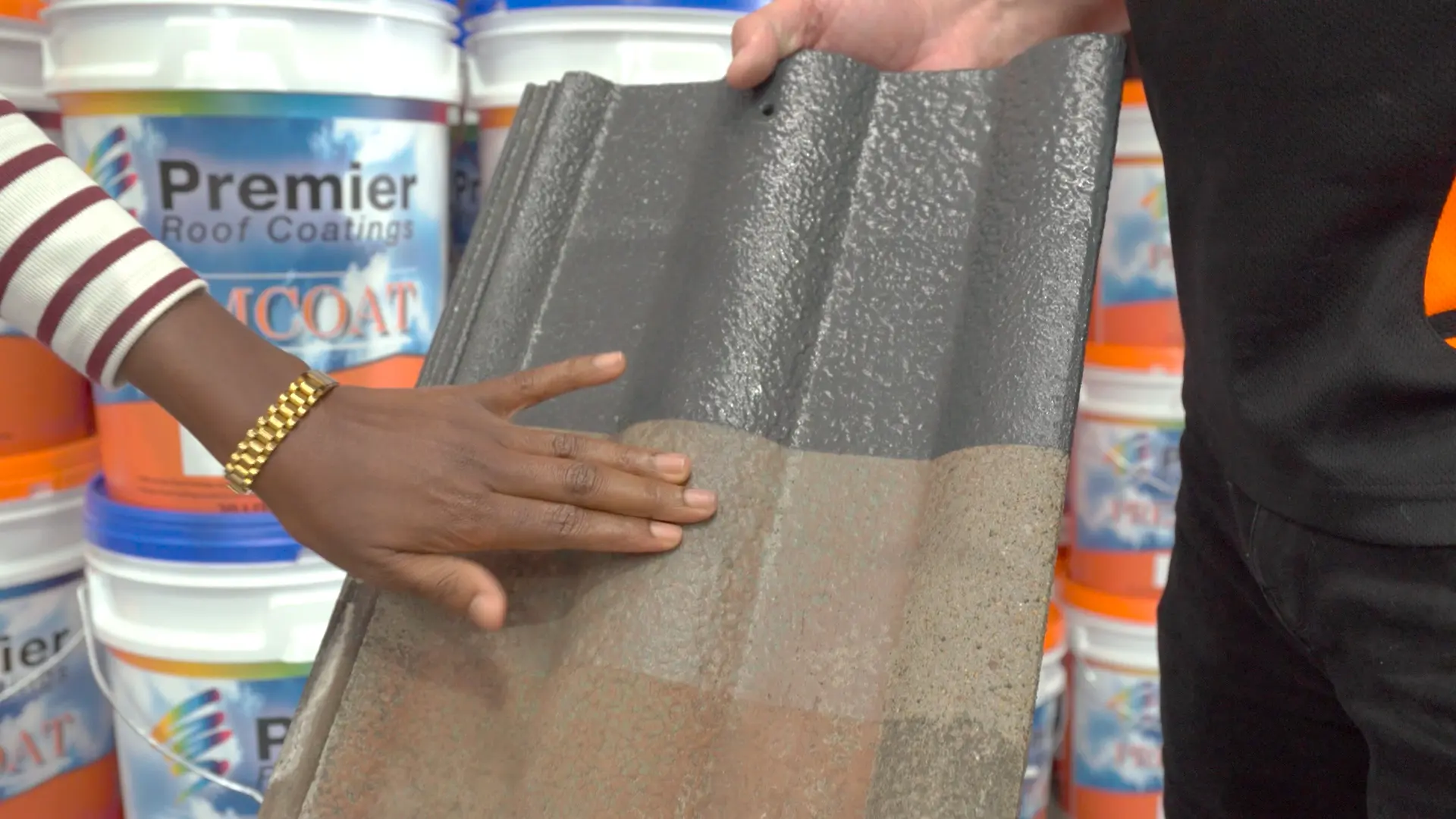
For concrete tile roofs, a suitable coating system can refresh the home’s appearance and allow the owner to choose a lighter, more heat-reflective colour.
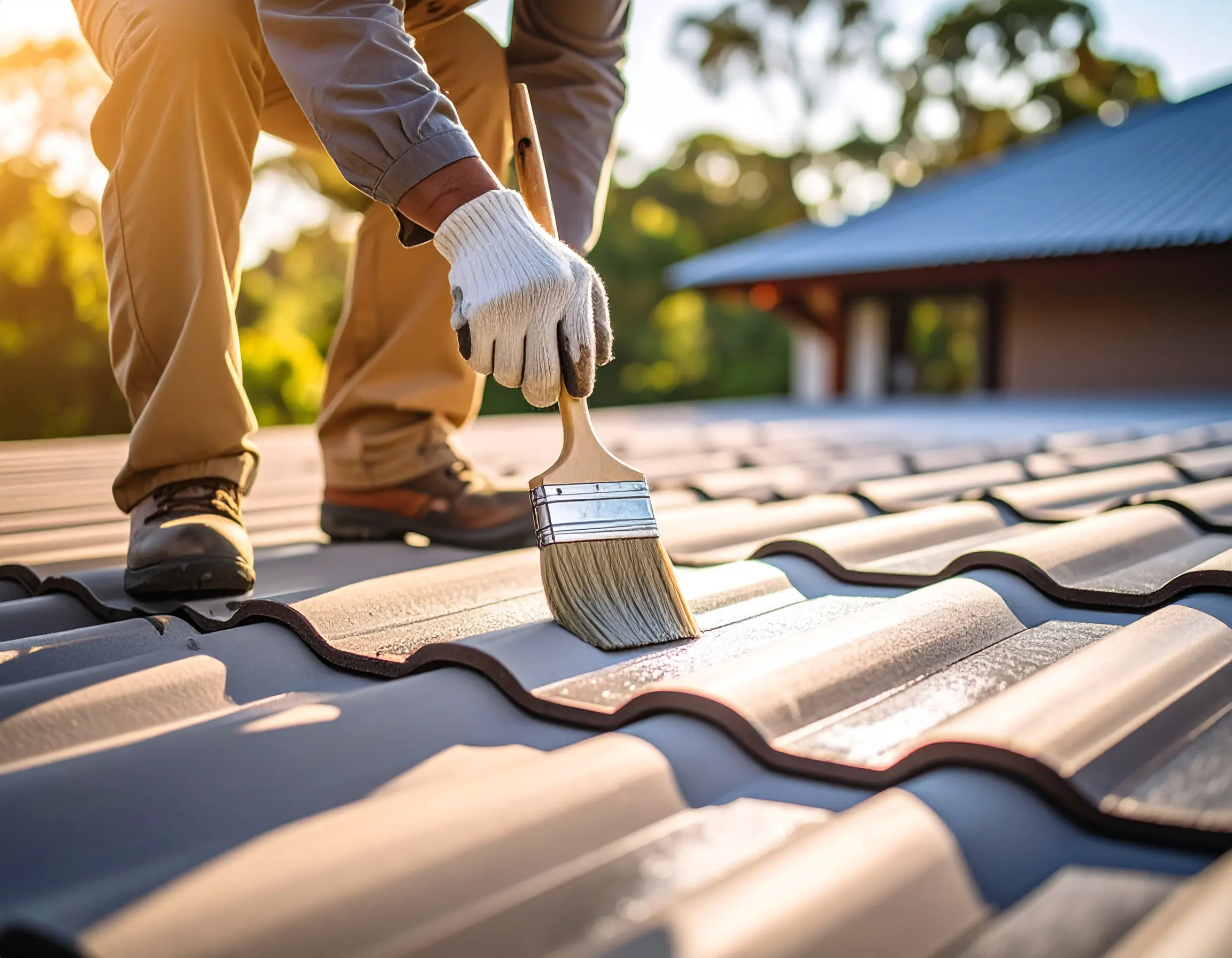
For homeowners considering roof restoration, Recycling Roof Tiles supplies roof paint for concrete, terracotta and Colorbond surfaces, including products designed for Australian roofing conditions.
When Tiles Should Be Replaced Before Painting
Painting is not a shortcut for a damaged roof.
Tiles should be replaced or repaired before coating if there are:
- Cracked tiles
- Broken tiles
- Loose tiles
- Badly porous tiles
- Delaminating concrete tiles
- Mismatched previous repairs
- Failed previous coatings
- Damaged ridge caps
- Signs of water entry
- Weak or badly eroded surfaces
If your roof has damaged or mismatched tiles, first identify old roof tiles in NSW by checking the material, profile, markings and condition before choosing paint or replacement tiles.
Specific Roof Paint and Restoration Products to Consider
Roof paint should be treated as a system, not just a colour.
Important product considerations include:
- Primer compatibility
- Acrylic membrane quality
- UV resistance
- Colour stability
- Adhesion to concrete, terracotta or metal
- Salt and weather exposure
- Manufacturer warranty
- Preparation requirements
- Suitability for Australian roof conditions
Recycling Roof Tiles stocks and works with trusted roof restoration and roofing supply brands including Premier, Shieldcoat, Globalcote, Selleys and Flexipoint.
These brands matter because roof coating performance depends on the full system: cleaning, repair, priming, coating and ongoing maintenance.
A good colour applied over the wrong surface, or without proper preparation, will not perform properly.
Expert Tips Before Choosing a Roof Colour
1. Do not choose from a colour chart alone
A colour chart does not show how the roof will perform in real heat, sun, salt air and weathering. Always consider the roof material, condition and local exposure.
2. Match colour choice to local climate
A dark roof may look good, but it can absorb more heat. In hot or exposed areas of Sydney, Newcastle and the Central Coast, a lighter or medium-light colour may be more practical.
3. Check the roof before choosing paint
Broken tiles, poor pointing, porous surfaces and failed old coatings should be fixed first. Paint should not be used to hide structural roof issues.
4. Think about insulation and ventilation
Roof colour helps, but it is not the whole solution. Insulation, roof ventilation and shading also affect how hot the home feels.
5. Choose the lowest absorptance colour that still suits the home
Very light colours can help reduce heat absorption, but they may not suit every home. A medium-light colour may provide a better balance between comfort, appearance and maintenance.
Roof Colour Decision Table
| Roof Colour Type | Heat Absorption | Best For | Watch Out For |
|---|---|---|---|
| Light colours | Lower | Hot, exposed homes and energy-conscious renovations | Dirt, glare and stronger contrast |
| Medium-light colours | Moderate-low | Most NSW homes wanting balance | Still check coating quality |
| Medium colours | Moderate | Established homes and mixed streetscapes | Less heat benefit than light colours |
| Dark colours | Higher | Design-led homes and modern exteriors | More heat absorption and roof space heat |
Practical Checklist Before Repainting a Roof
Before choosing a new roof colour, check:
- Roof material
- Tile condition
- Existing coating
- Cracks or broken tiles
- Moss, lichen or salt contamination
- Ridge capping and pointing
- Roof insulation
- Roof ventilation
- Shade and orientation
- Local heat exposure
- BASIX or design requirements
- Colour suitability for the home
- Whether replacement tiles are needed first
If individual tiles are cracked, porous, mismatched or unsuitable for coating, sourcing spare and replacement roof tiles in NSW may be more practical than painting over a failed surface.
Final Recommendation: Choose Roof Colour for Performance, Not Just Appearance
Roof colour affects heat absorption, but it is only one part of roof performance.
For NSW homes, especially in Sydney, Newcastle and the Central Coast, the best roof colour decision should consider:
- Solar absorptance
- Roof material
- Tile condition
- Insulation
- Ventilation
- Local exposure
- Coating system
- Long-term maintenance
A lighter roof colour can help reduce roof surface heat. A medium-light colour can offer a practical balance between appearance and performance. A dark roof may still suit some homes, but it should be chosen with a clear understanding of heat absorption.
Before repainting or changing roof colour, inspect the tiles, replace damaged sections, choose the right coating system and consider how the colour will perform in real NSW conditions.
Need Help Choosing Roof Paint or Replacement Tiles?
Recycling Roof Tiles supplies roof paint, sealers, coatings, recycled roof tiles, new roof tiles, and roofing accessories for homeowners, roofers, and builders across Sydney, Newcastle, the Central Coast, Hunter Valley, Maitland, and regional NSW.
Whether you are restoring a concrete tile roof, repainting a tiled roof, replacing damaged tiles or choosing a lighter roof colour for better heat performance, our team can help you understand your options.
Call 0427 241 224 or contact Recycling Roof Tiles for roof paint, roof tiles and roofing supplies.
FAQs
What does solar absorptance mean for roof colour?
Solar absorptance is the proportion of solar radiation absorbed by a roof material. A roof with lower solar absorptance reflects more heat, while a roof with higher solar absorptance absorbs more heat.
Are light roof colours cooler than dark roof colours?
Generally, yes. Light-coloured roofs usually reflect more sunlight and absorb less heat than dark-coloured roofs. This can reduce the roof’s surface temperature, especially during hot, sunny weather.
Does roof colour affect BASIX in NSW?
Yes. Roof colour and solar absorptance can be considered as part of BASIX thermal performance in NSW. Lower-solar-absorptance colours can help reduce heat gain through the roof.
Should I always choose a white roof?
No. A white or very light roof can reduce heat absorption, but the best choice depends on the home’s location, roof material, appearance, glare, roof condition, local restrictions and coating system.
Can concrete roof tiles be painted a lighter colour?
Yes. Many concrete roof tiles can be coated in lighter colours if the surface is sound and properly prepared. The roof should be cleaned, repaired, checked and primed before coating.
Can terracotta roof tiles be painted?
Some terracotta tiles can be coated, but the tile’s condition, glaze, porosity, and age matter. Terracotta should be assessed carefully before painting.
Does roof paint reduce heat inside the home?
A lighter or more reflective roof coating can reduce heat on the roof surface, but indoor comfort also depends on insulation, roof ventilation, ceiling design, windows, shading, and the overall building envelope.
Is roof coating better than replacing roof tiles?
It depends on the roof condition. If the tiles are sound, coating may improve appearance and surface protection. If tiles are cracked, porous, delaminating or mismatched, replacement may be needed before coating.
Is a dark roof bad in NSW?
Not always, but dark roofs absorb more heat than lighter roofs. In hot, exposed, or poorly insulated homes, dark roof colours can increase roof surface temperature and roof-space heat.
What roof colour is best for the Central Coast?
For Central Coast homes, medium-light or lighter colours are often practical when heat reduction is important, but the coating must also withstand salt air, humidity, moss, lichen, and coastal exposure.