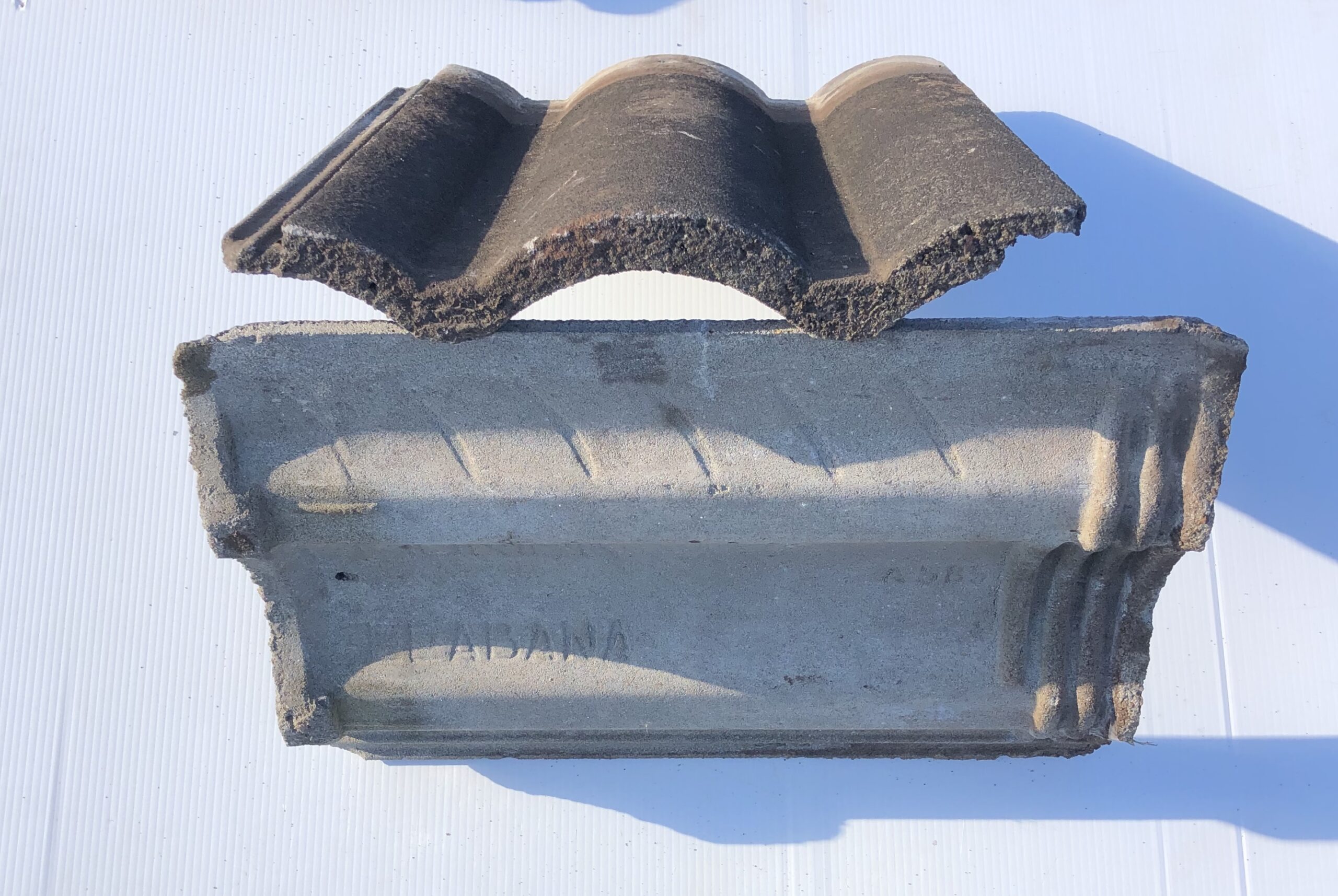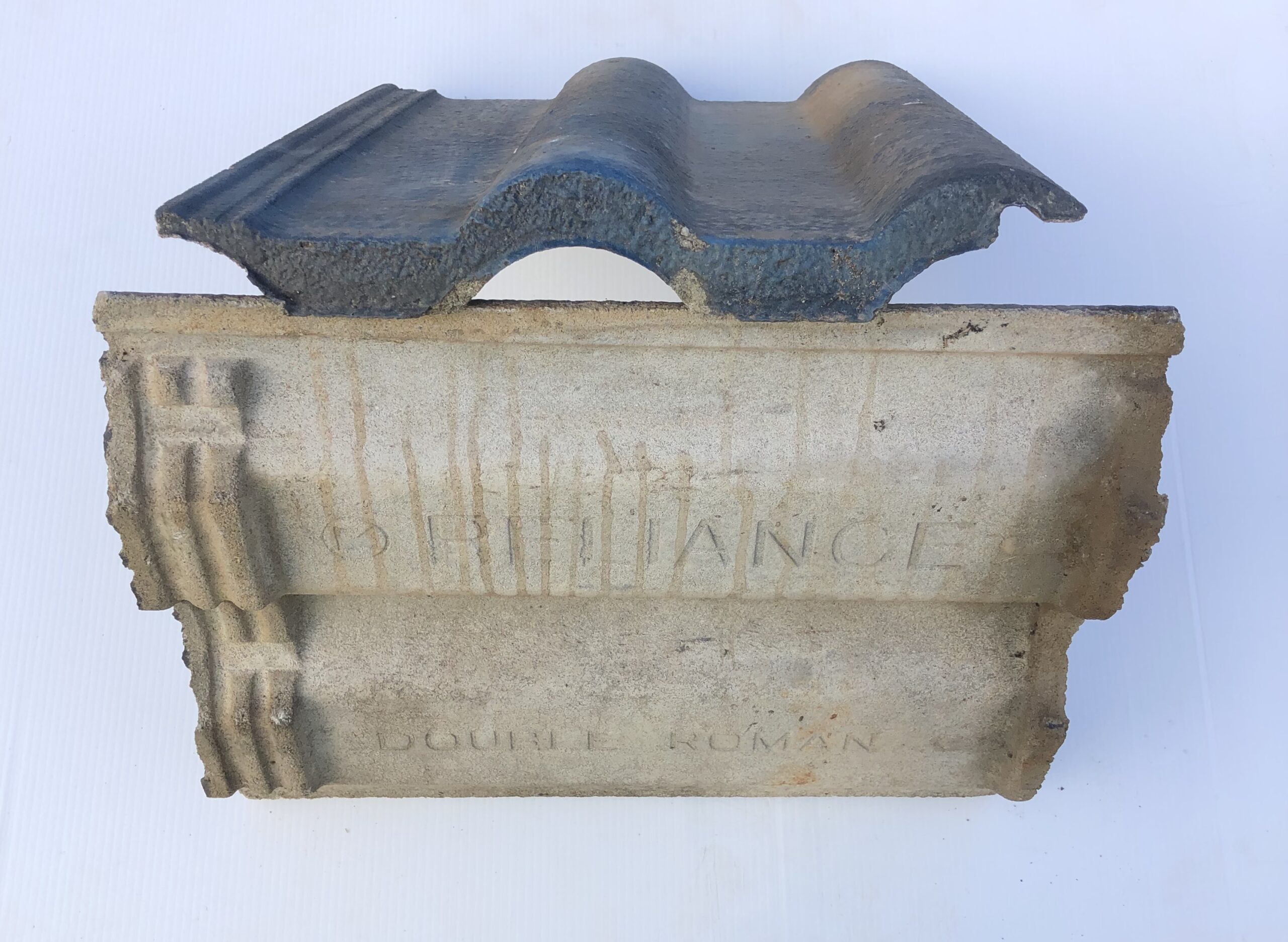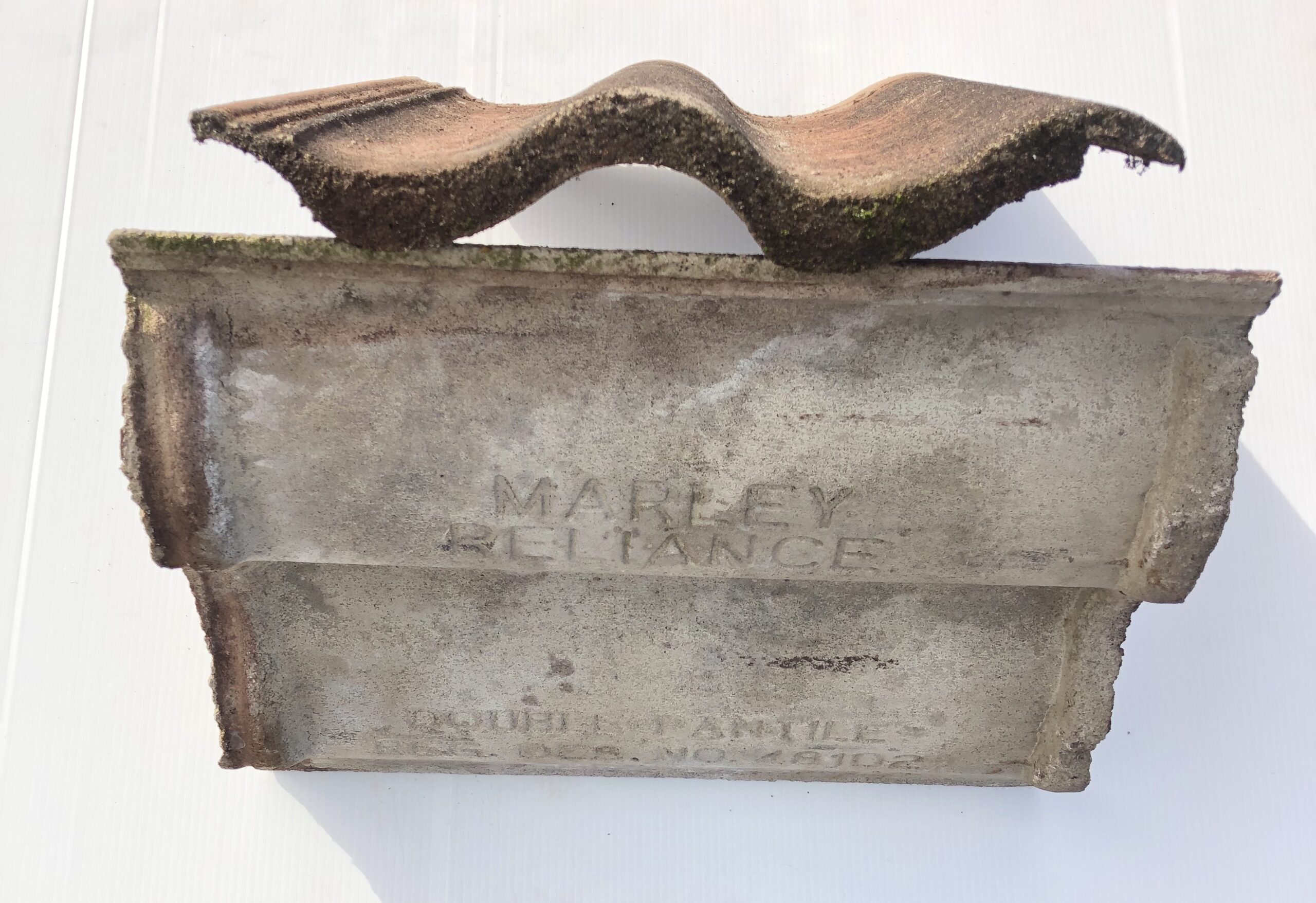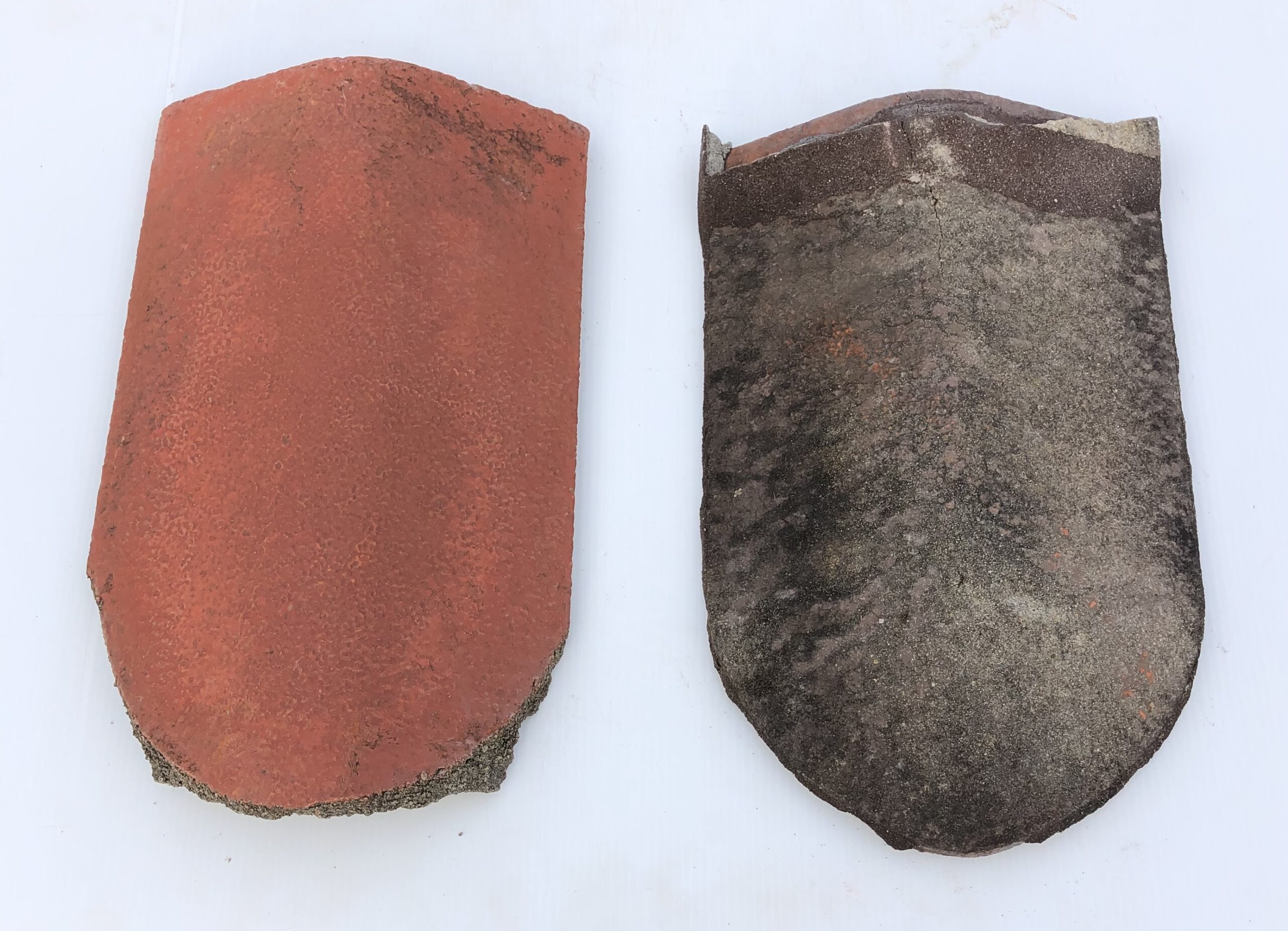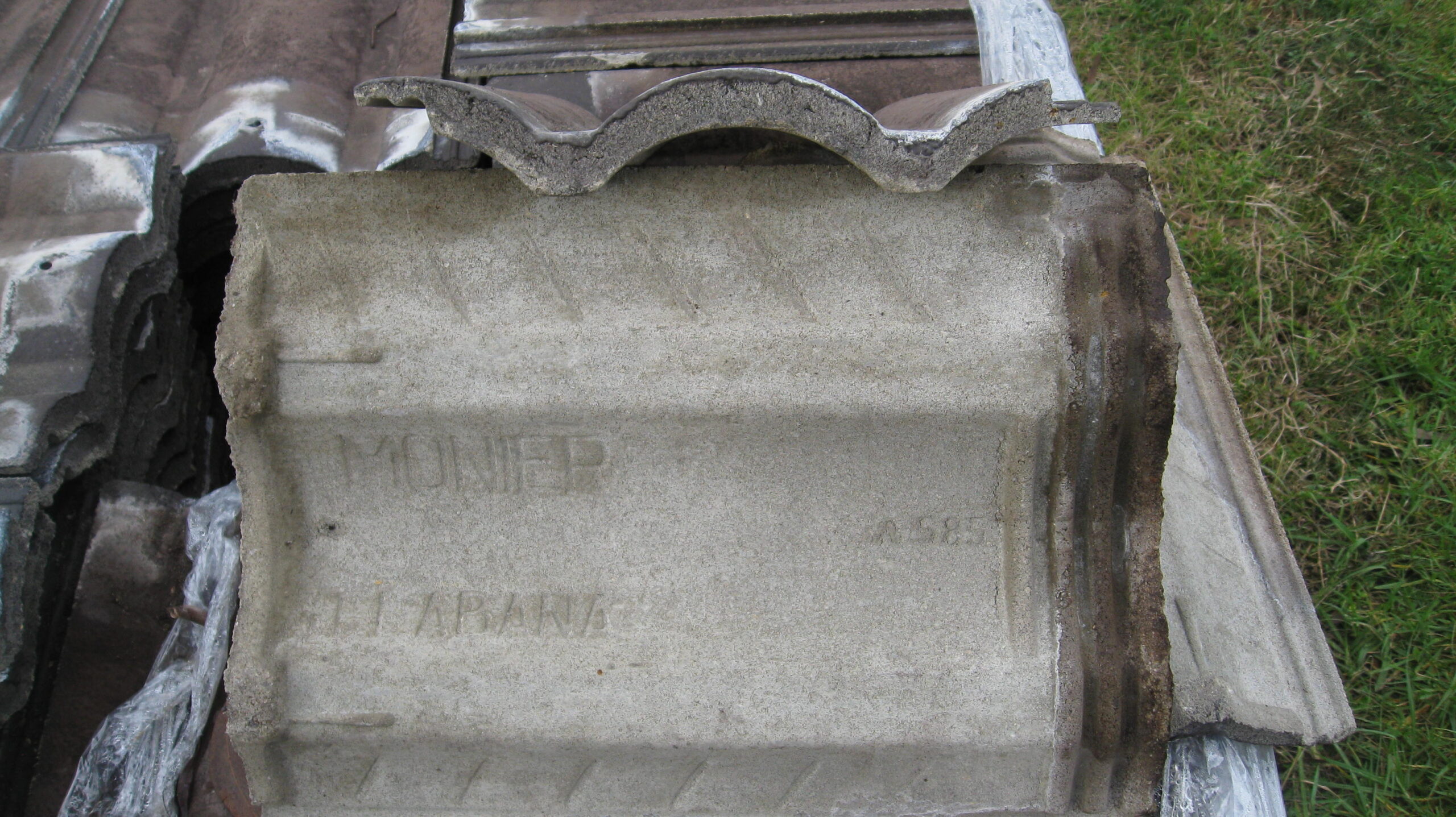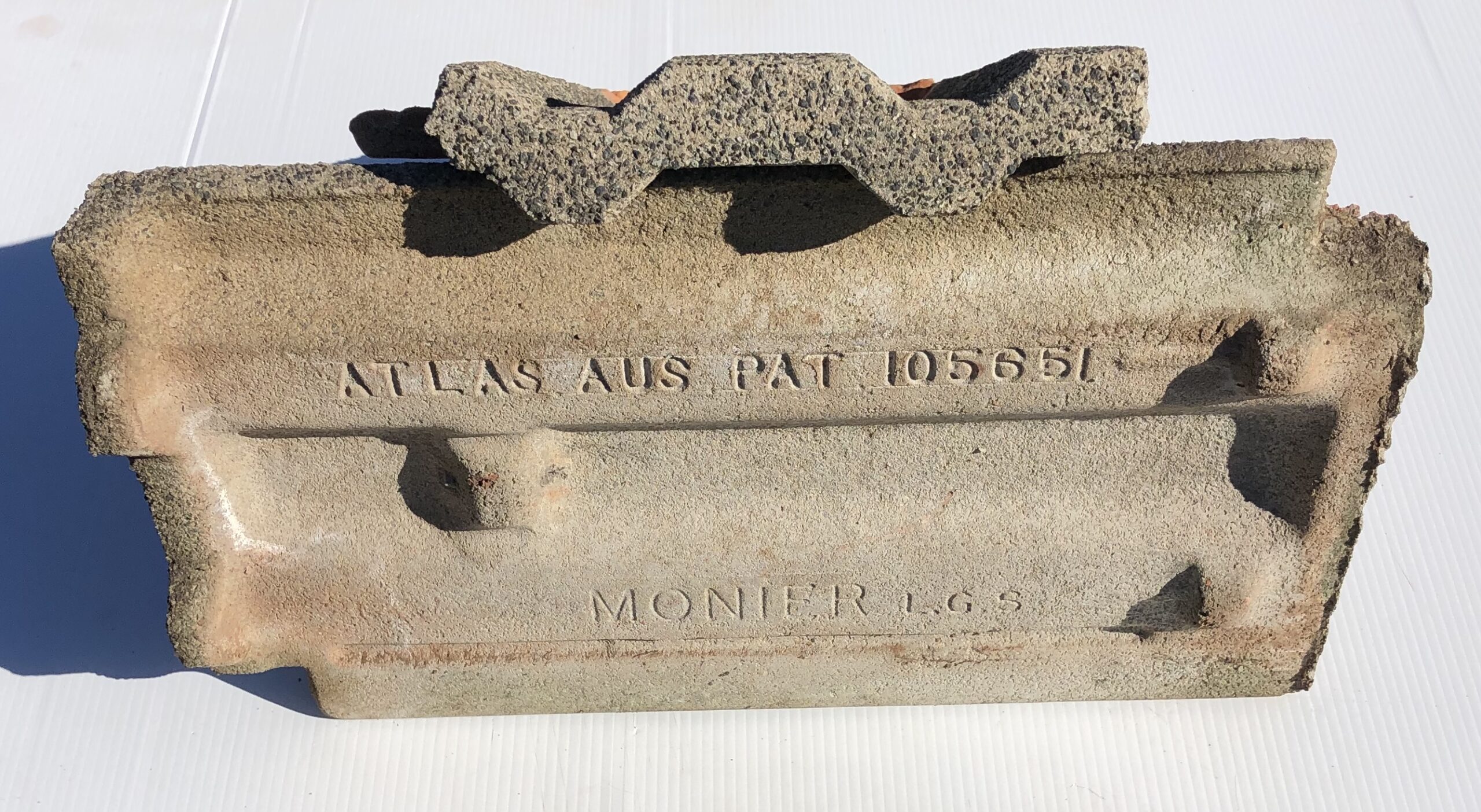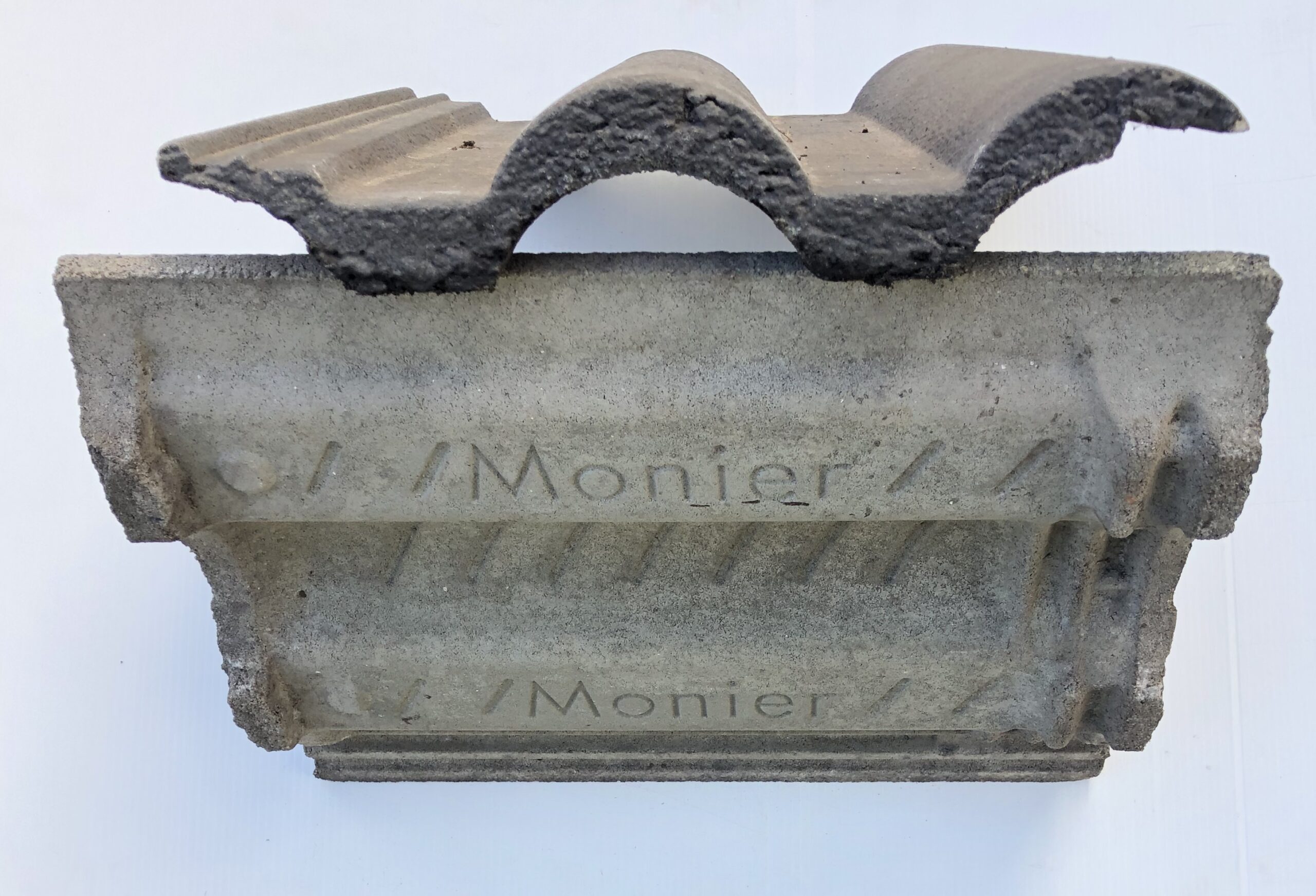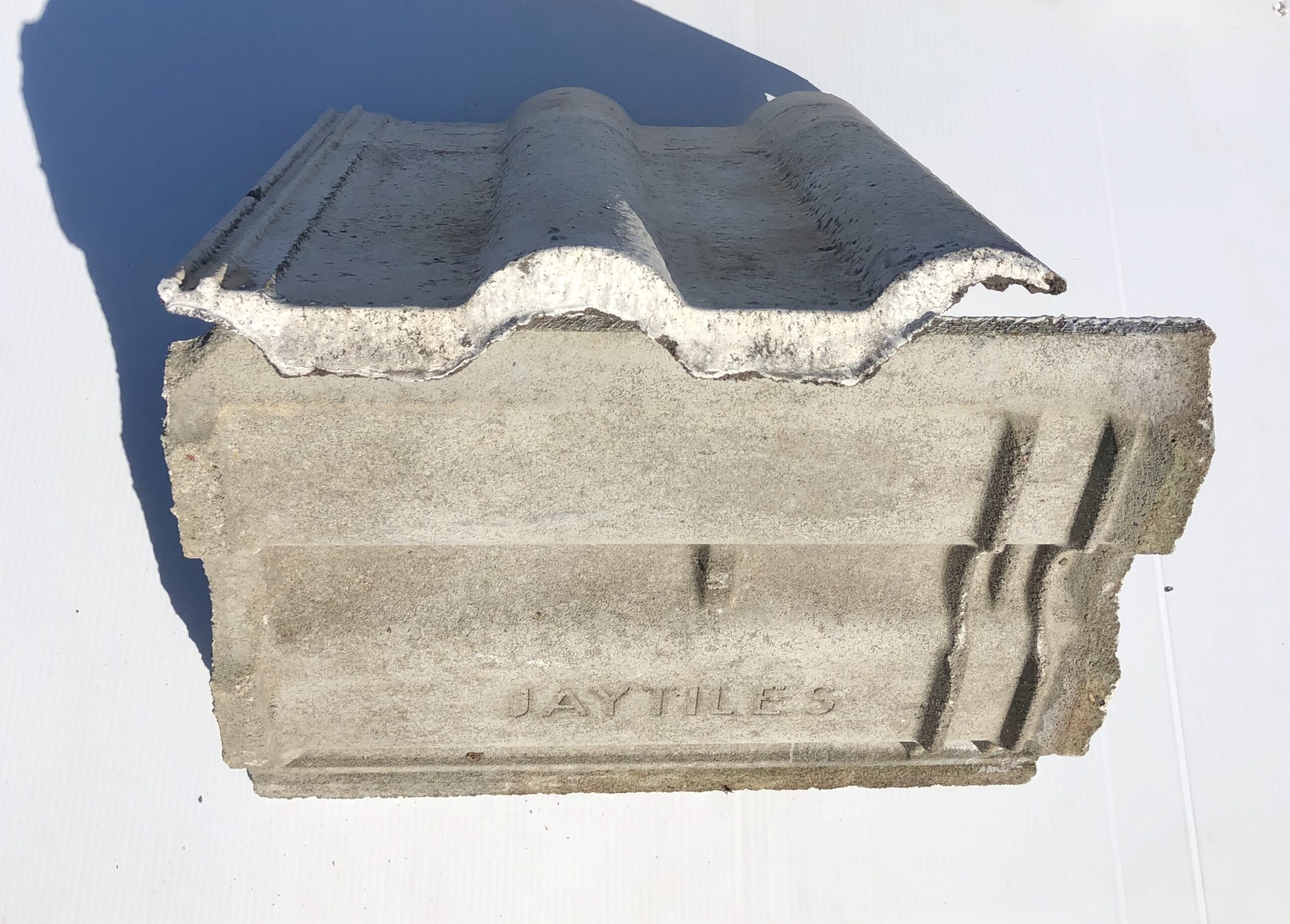
How to Identify Old Roof Tiles in NSW:
Profile, Brand, Colour and Condition
Quick Answer: How do you identify old roof tiles?
Old roof tiles are usually identified by checking the tile material, profile shape, underside markings, measurements, interlock, nib position, water channel, colour, weathering and condition. A tile that looks similar from the ground may still be wrong if the sidelock, cover width, nib position or water channel does not match.
In NSW, many older homes have discontinued roof tile profiles, so the profile and fit are usually more important than colour alone. Clear photos of the tile face, underside, side profile, markings and roof area can help a specialist supplier identify the correct replacement before you buy the wrong tile.
Need help now?
Send Recycling Roof Tiles clear photos of the tile face, underside, side profile, markings and measurements. Our team can help identify old cement and terracotta roof tiles used across Sydney, Newcastle, the Central Coast, Hunter Valley, Maitland and regional NSW.
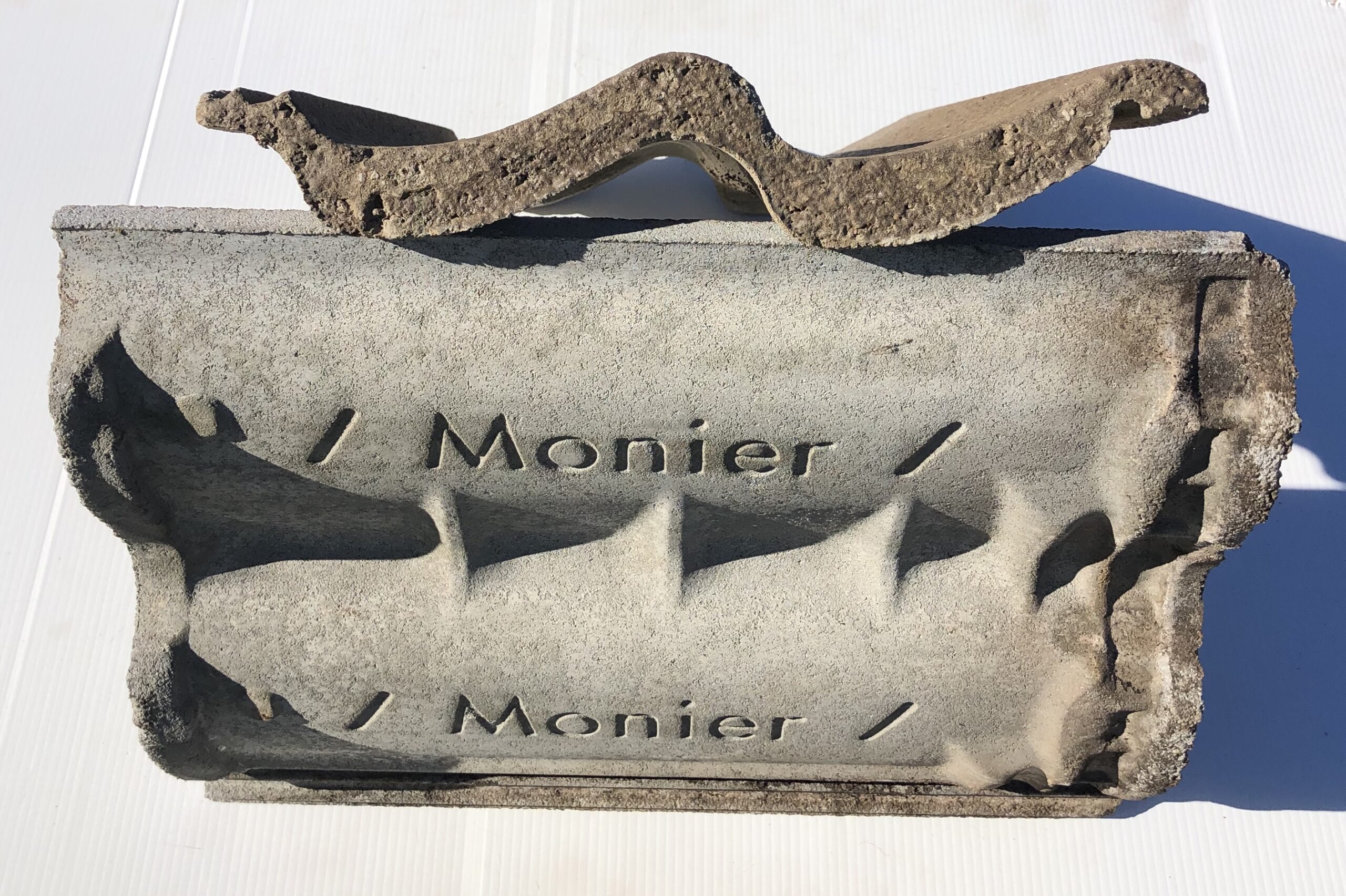
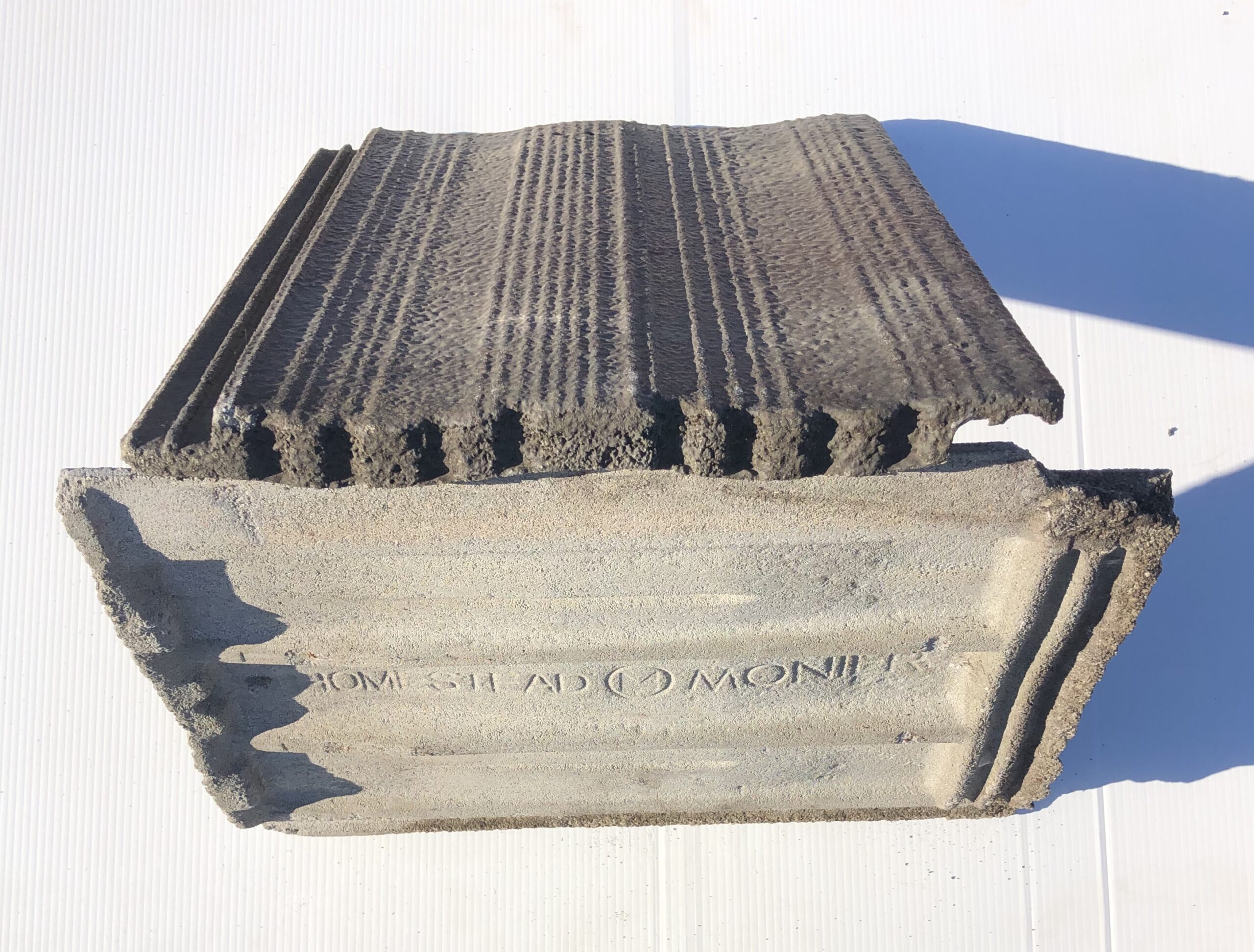
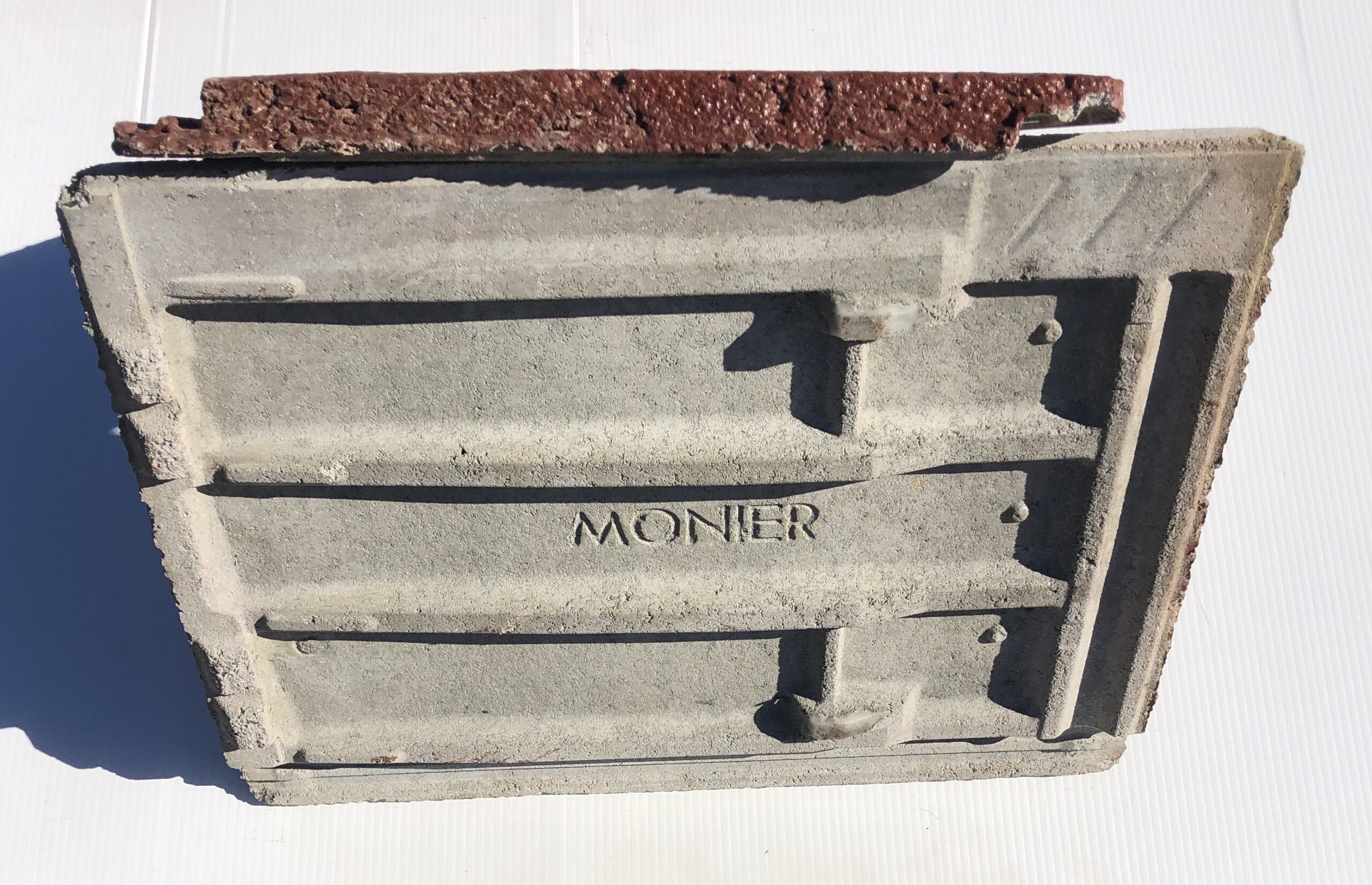
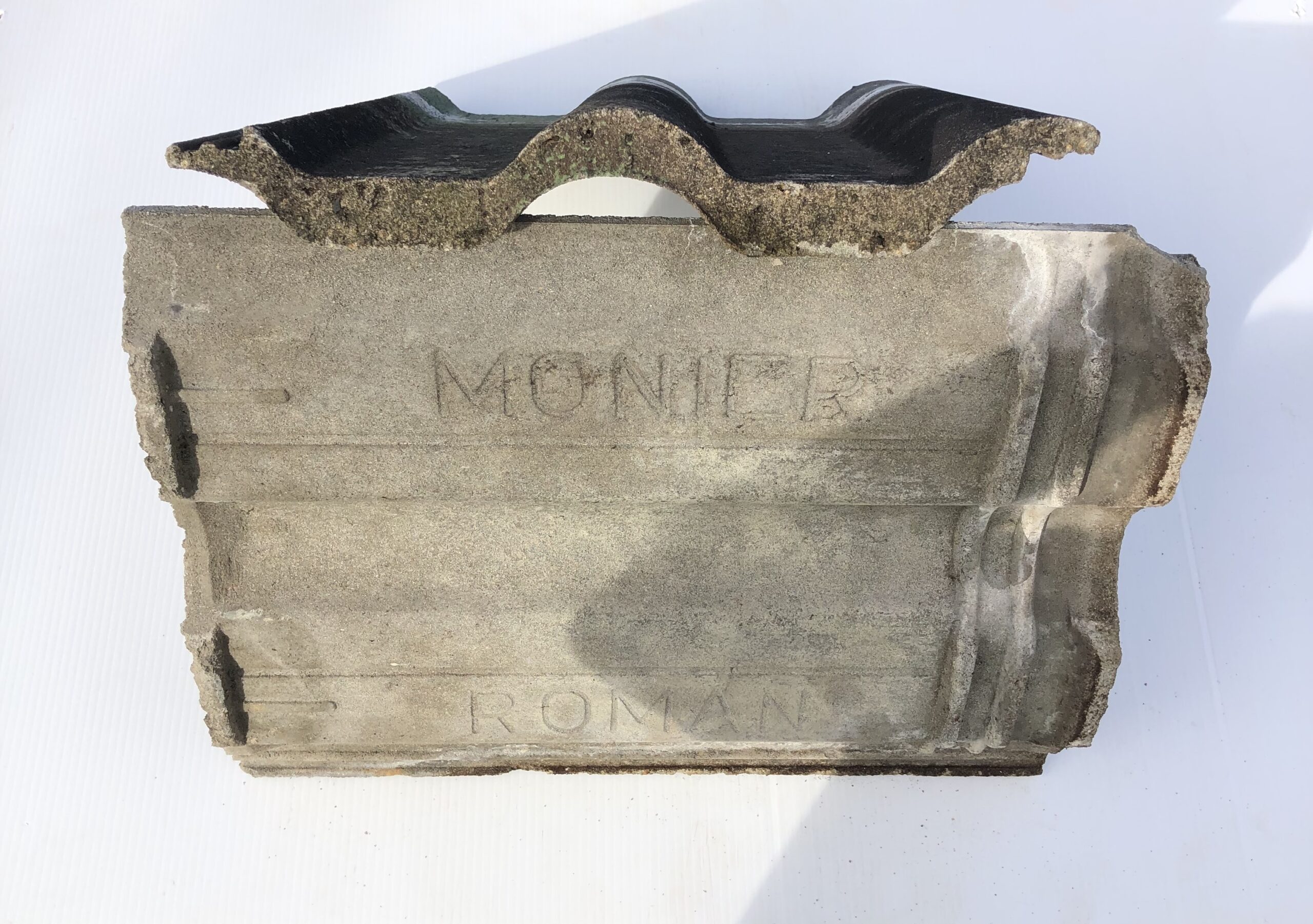
- Monier
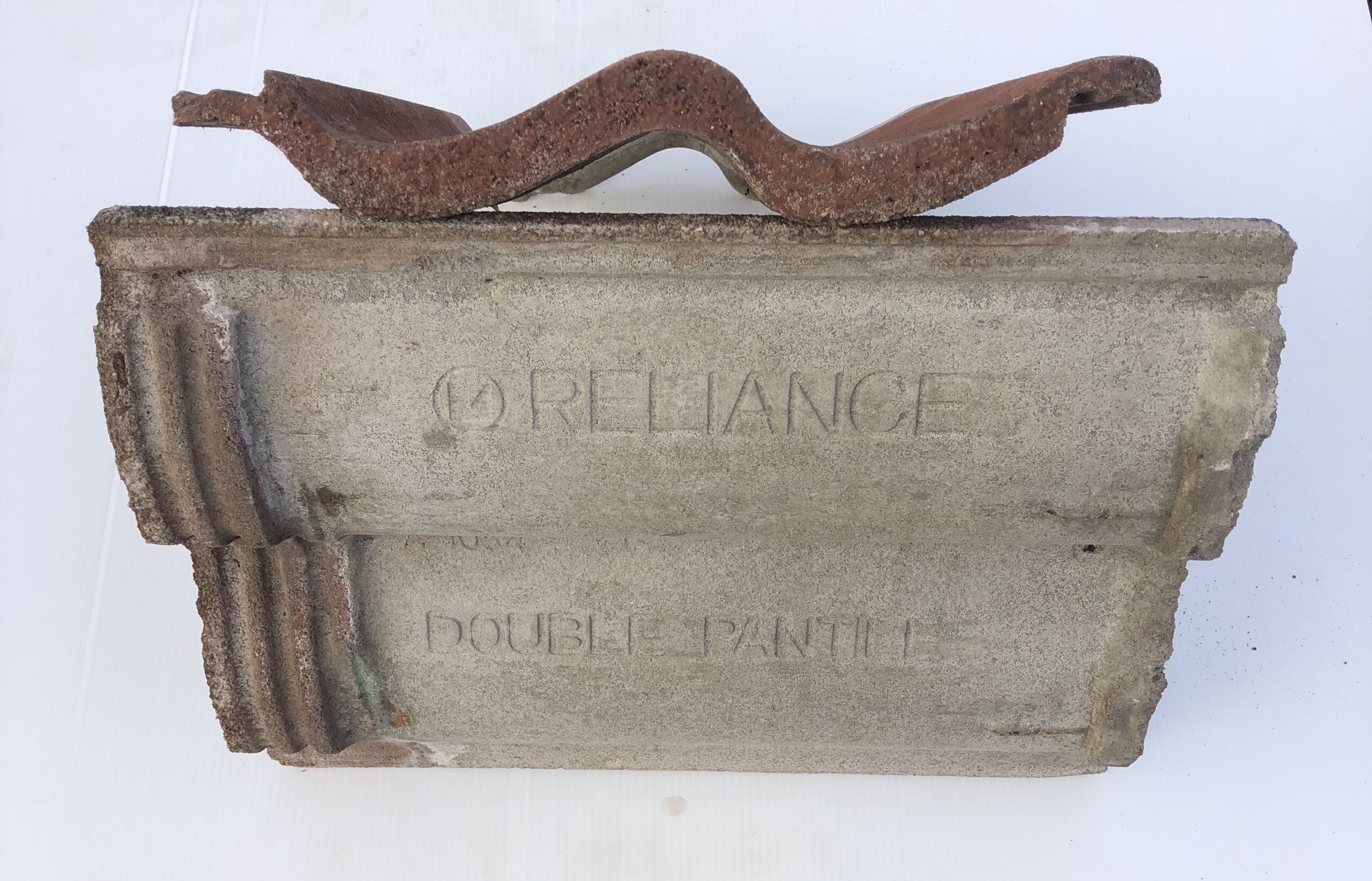
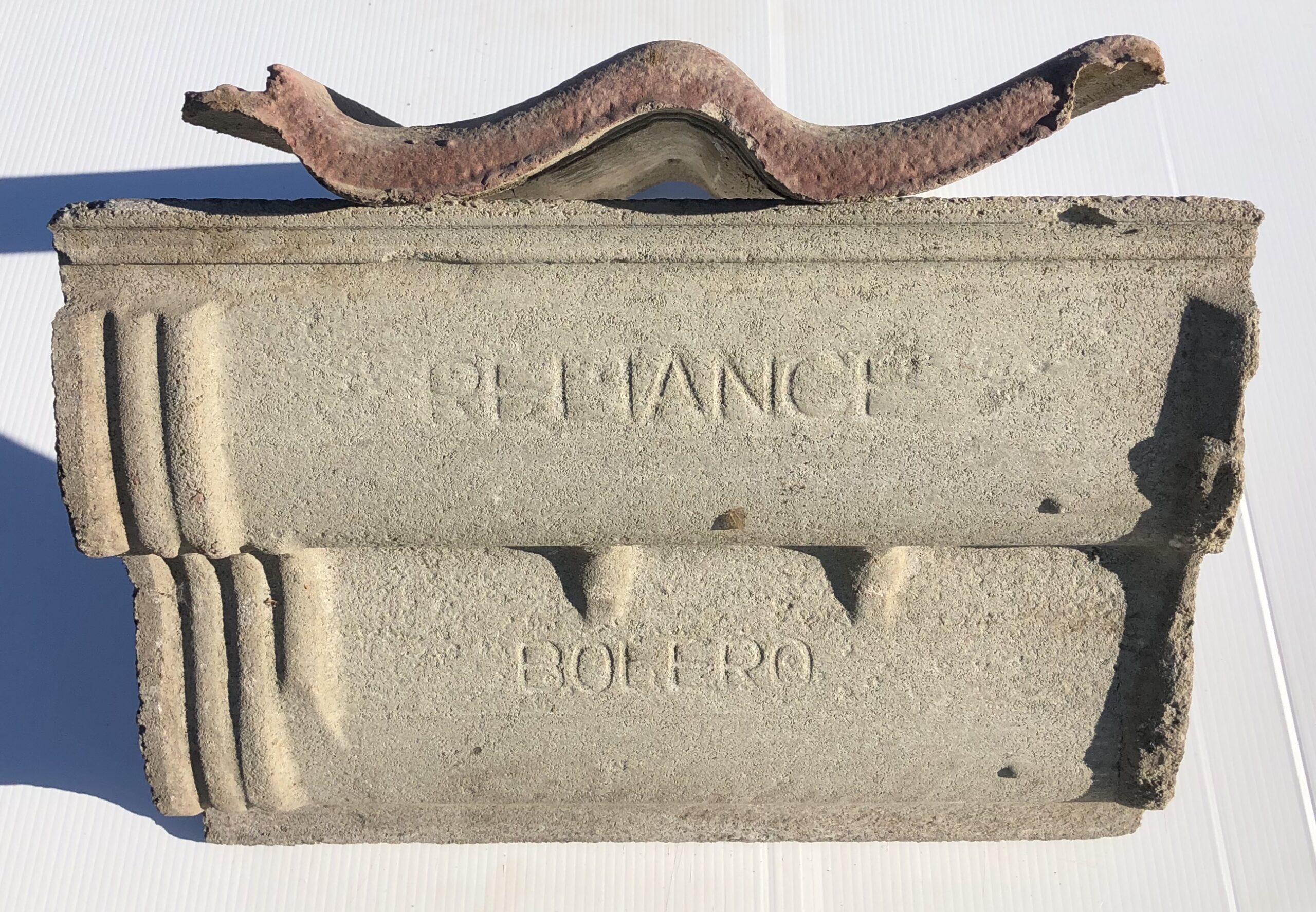
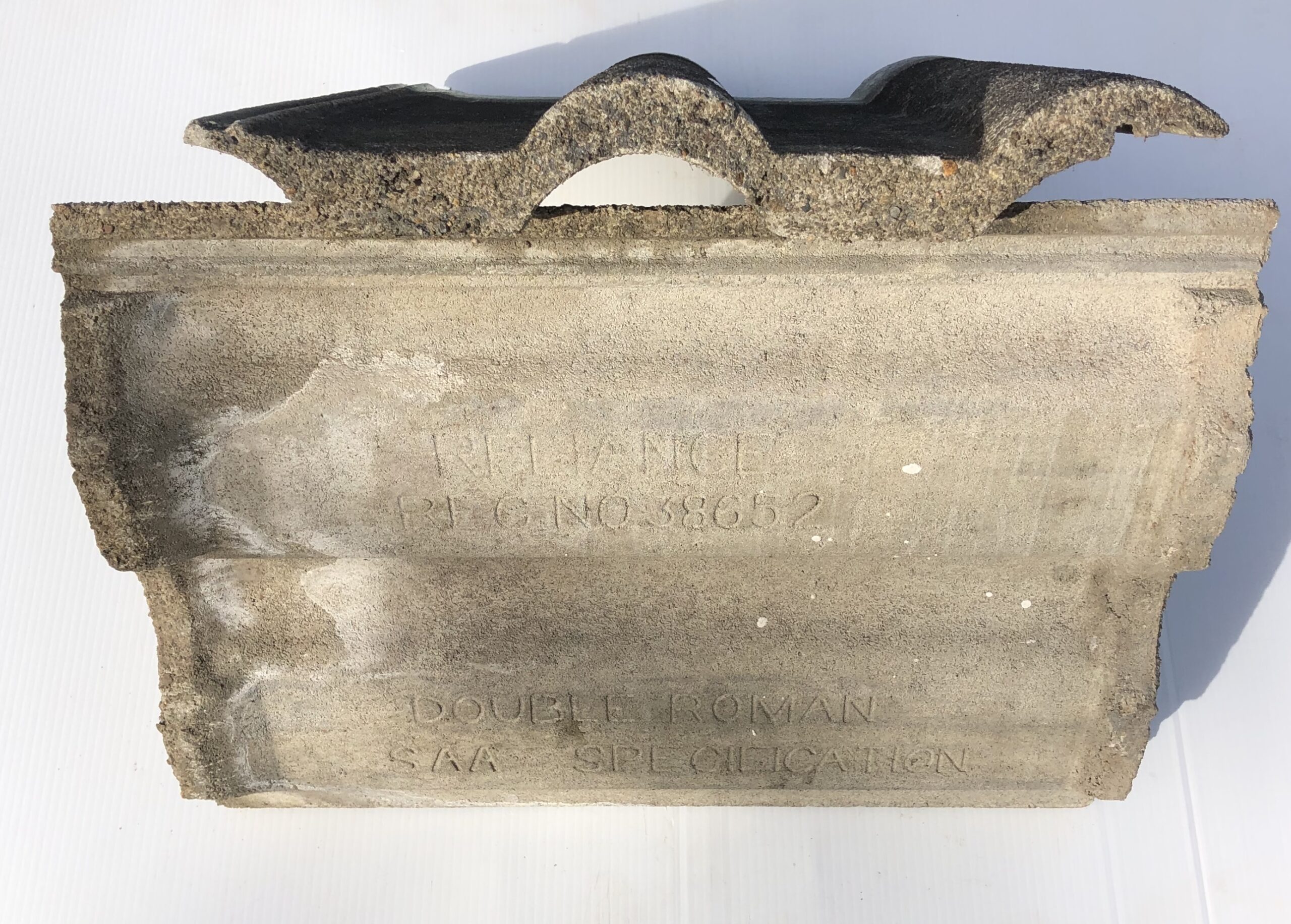
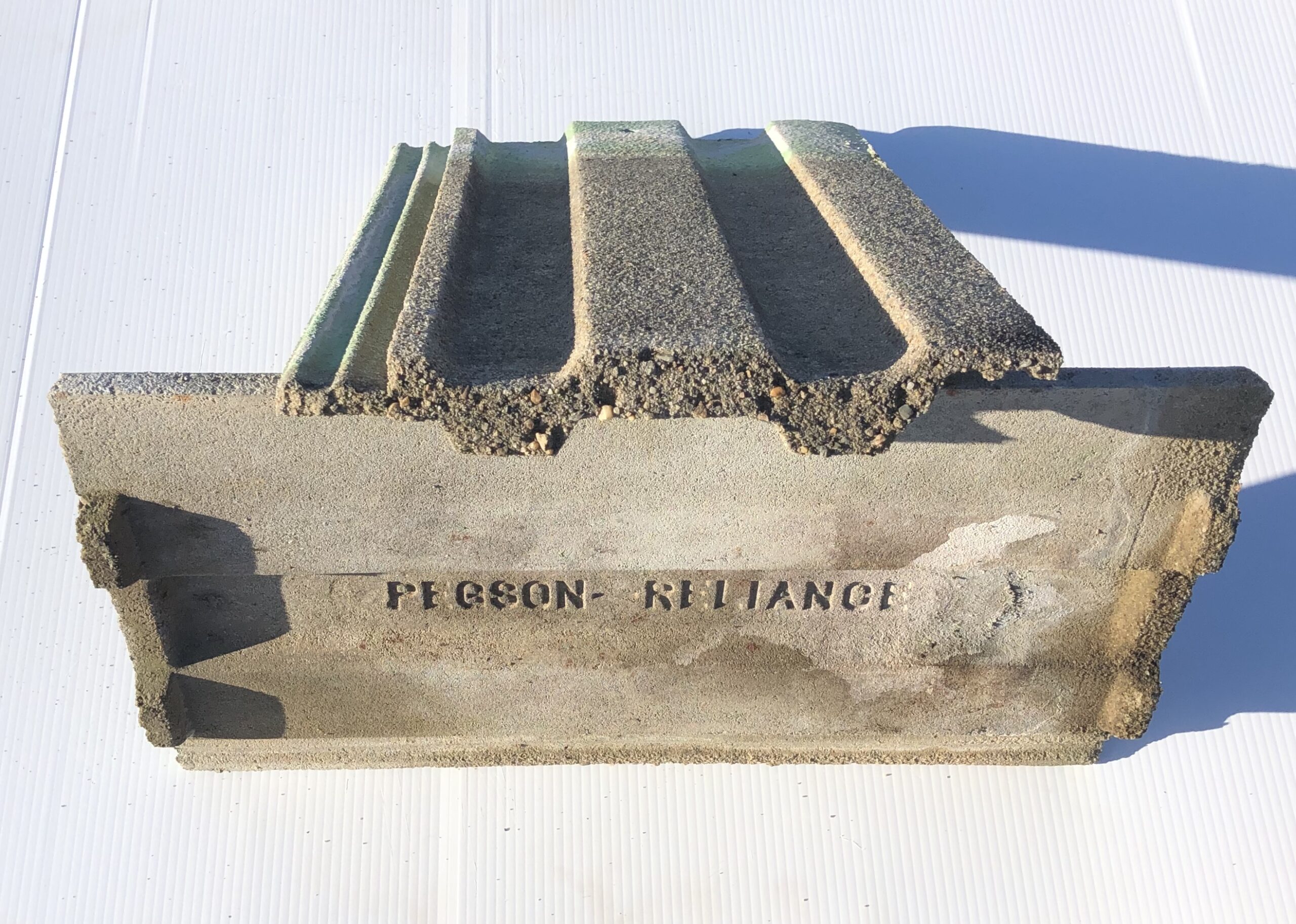
- Reliance
- Boral
- Clark
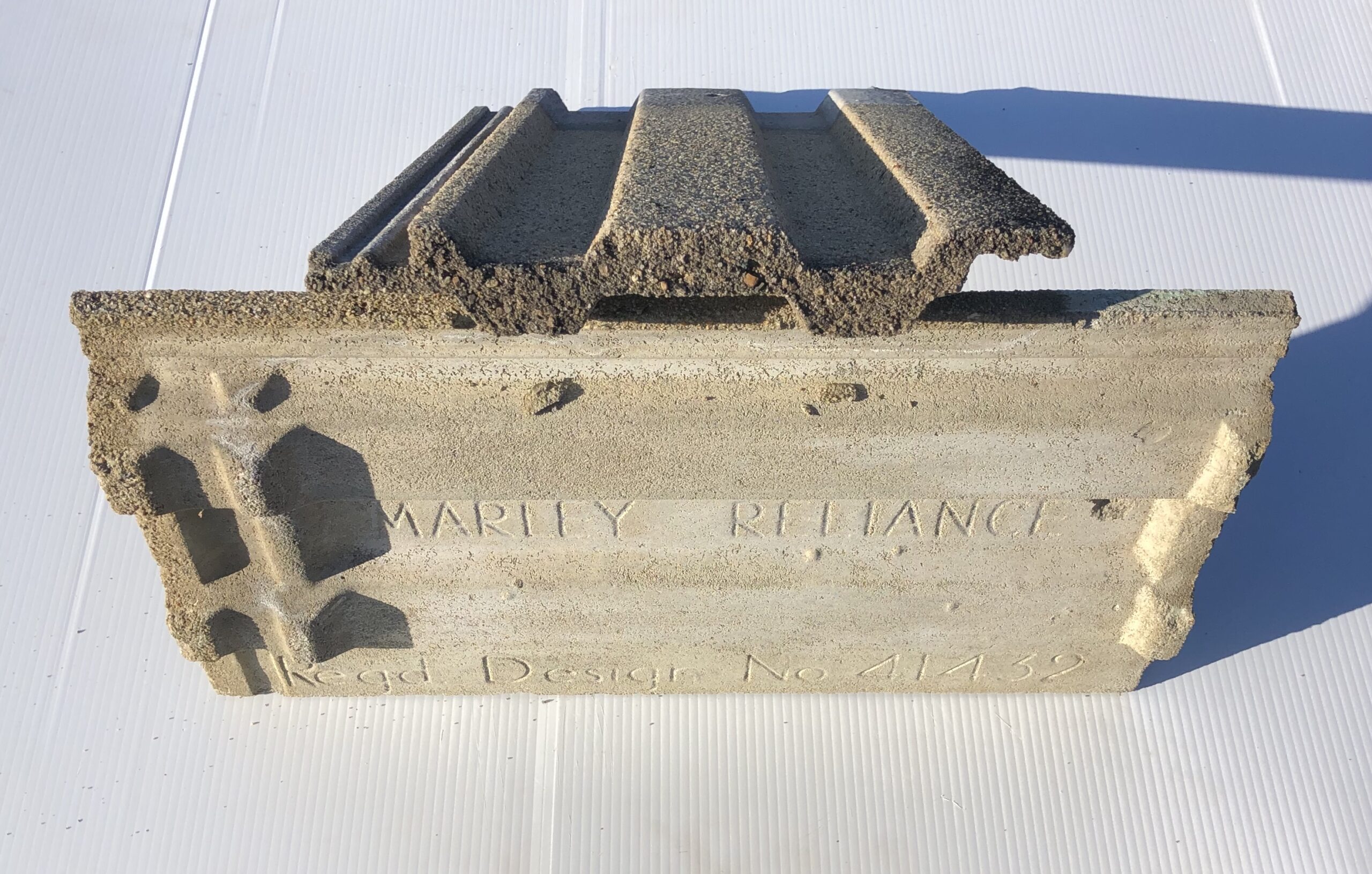
- Marley Reliance
- Double Roman 38652
- Majors
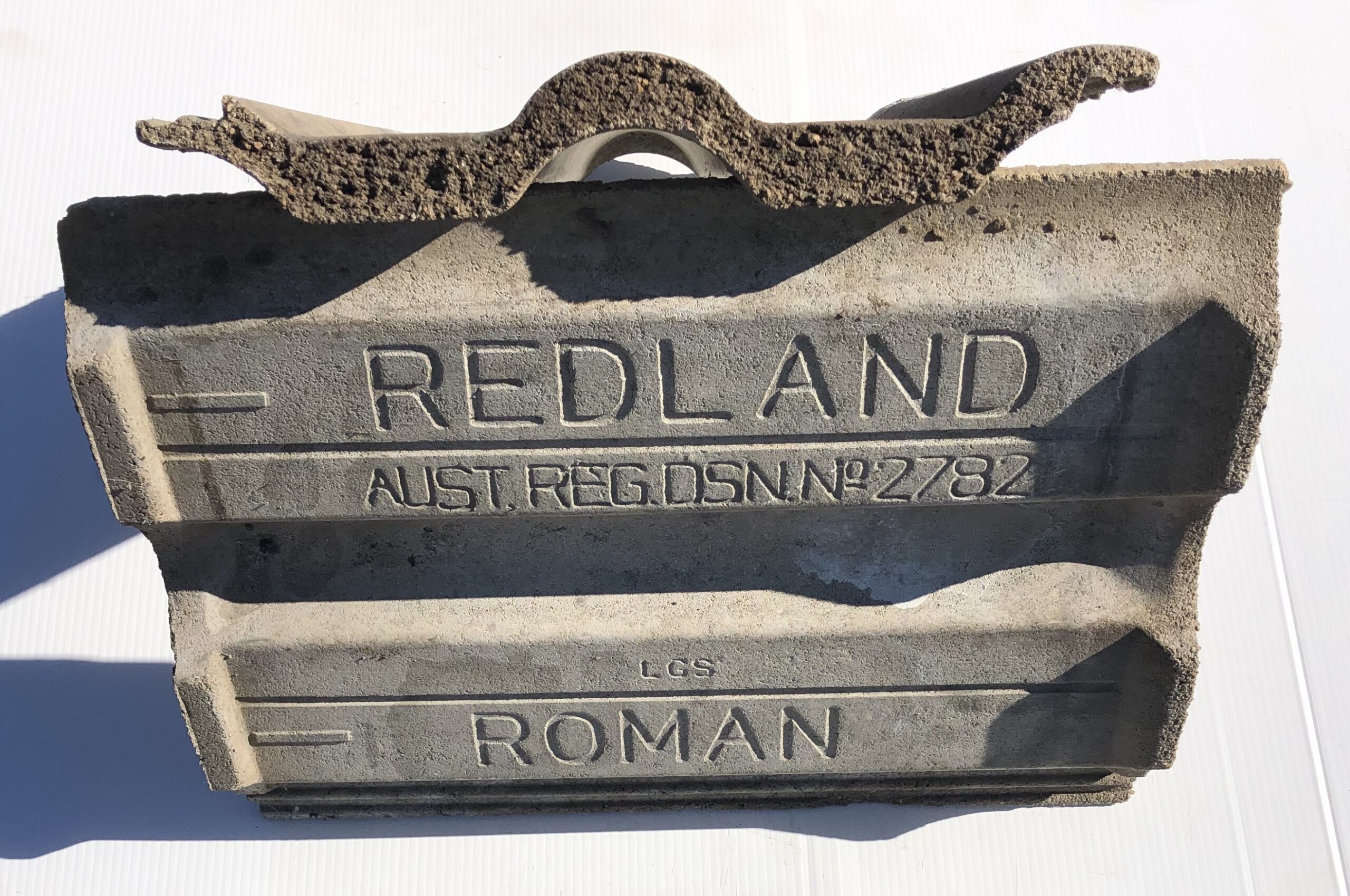
- Redland
- Pegson
- Hume
- Pioneer
- Bristile
- Whitelaw
- Besser
- Jay Tiles
- ART Kimberly
- Karraman-Stuart
Why Identifying an Old Roof Tile Correctly Matters
Replacing a roof tile sounds simple until the new tile does not fit.
Two roof tiles can look almost the same from the ground but still have different profiles, side locks, water channels, nib positions, or cover widths. If the replacement tile does not sit properly, it may sit proud, leave a gap, interfere with nearby tiles or create a path for water entry.
This is why identifying old roof tiles should come before buying replacement tiles. Colour is important for appearance, but the profile and fit determine whether the tile will work on the roof.
For older NSW homes, this is especially important because many homes were built with roof tile profiles that are now discontinued, renamed, weathered, coated or difficult to source through standard roofing suppliers.
Before you can properly match an old roof tile, you first need to identify its profile, material, underside markings and measurements. For a step-by-step guide, see our article on how to identify old roof tiles in NSW.

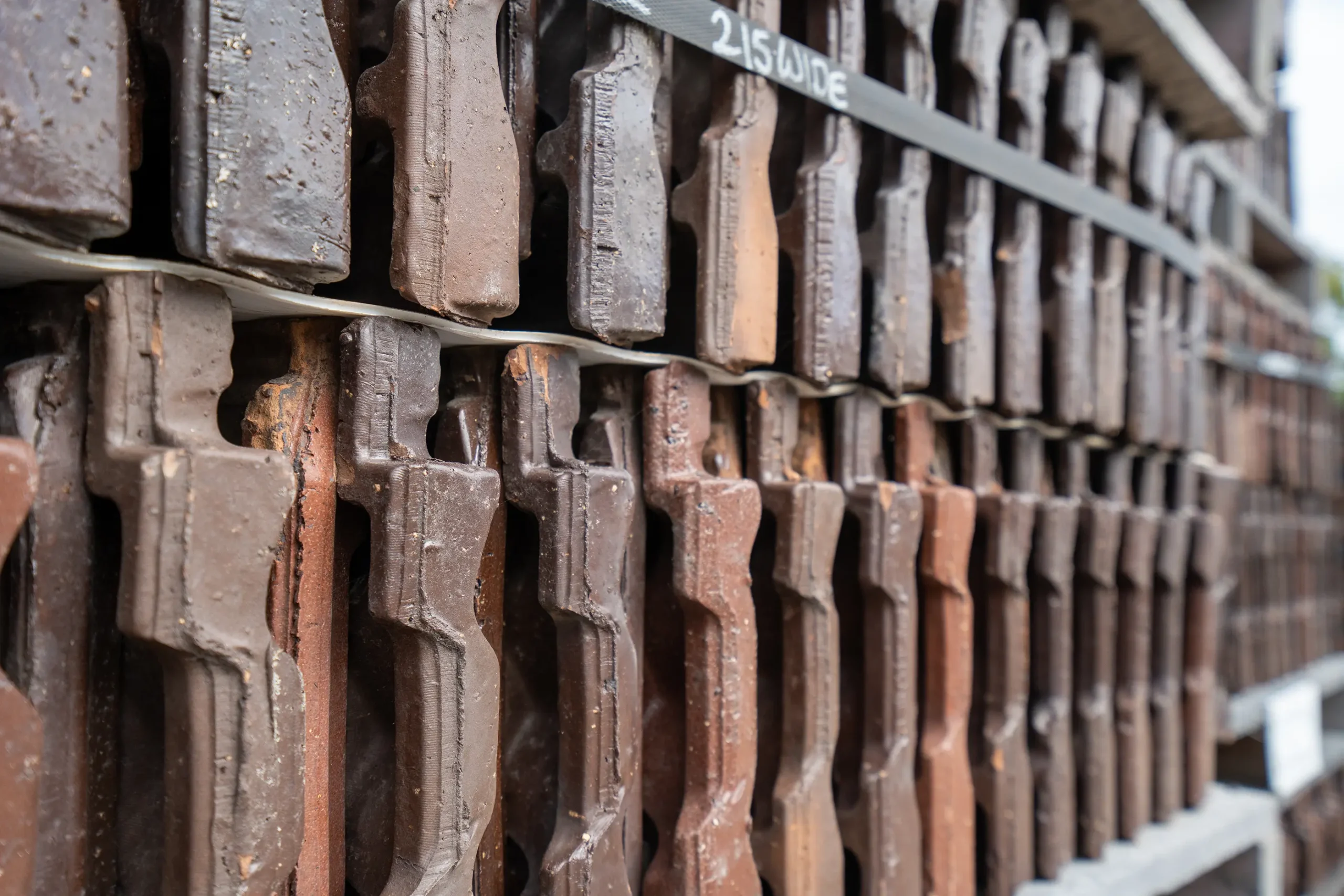
Step 1: Check Whether the Tile Is Cement, Concrete or Terracotta
The first step is working out the material. In Australia, many people use the words “cement roof tiles” and “concrete roof tiles” interchangeably. In practical terms, both refer to cement-based tiles. Terracotta roof tiles are different because they are made from fired clay.
Concrete or cement roof tiles often have:
- a heavier cement-based feel
- a painted or coated surface
- a sand/cement texture if chipped
- colour that may fade or wear over time
Terracotta roof tiles often have:
- fired clay material
- a natural red, orange, brown or glazed finish
- colour that can run through the body of the tile
- sharper or more ceramic-like edges
Step 2: Look at the Roof Tile Profile
The roof tile profile is one of the most important identification clues.
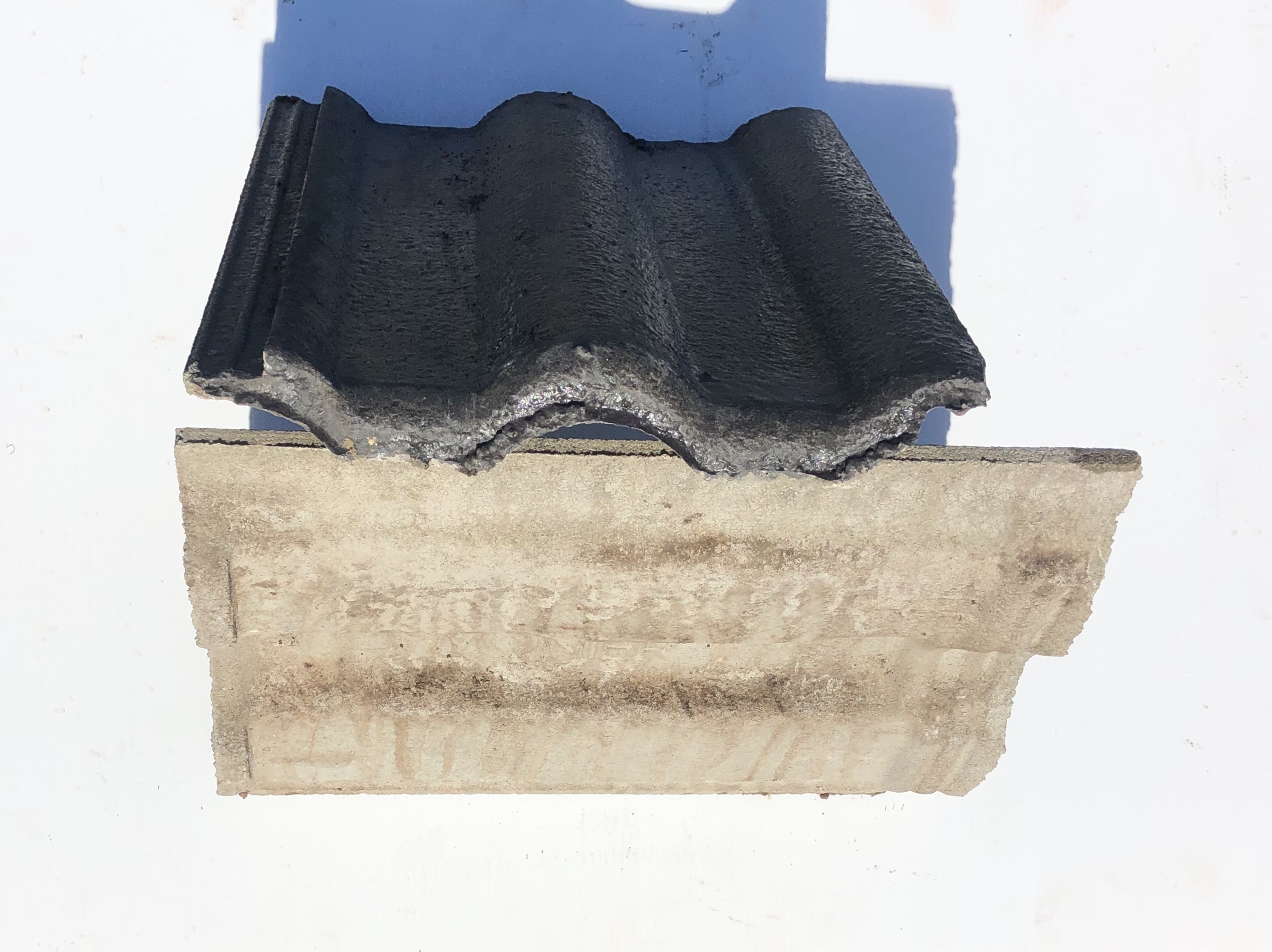
The profile is the shape of the tile when viewed from the front or side. It determines how the tile overlaps, locks into neighbouring tiles and channels water down the roof.
Common profile types include:
- flat profiles
- low-curve profiles
- double-curve profiles
- Marseille or French-style profiles
- Roman or Double Roman-style profiles
- shingle-style profiles
- interlocking concrete profiles
A replacement tile may be the right colour, but still wrong if the profile does not match.
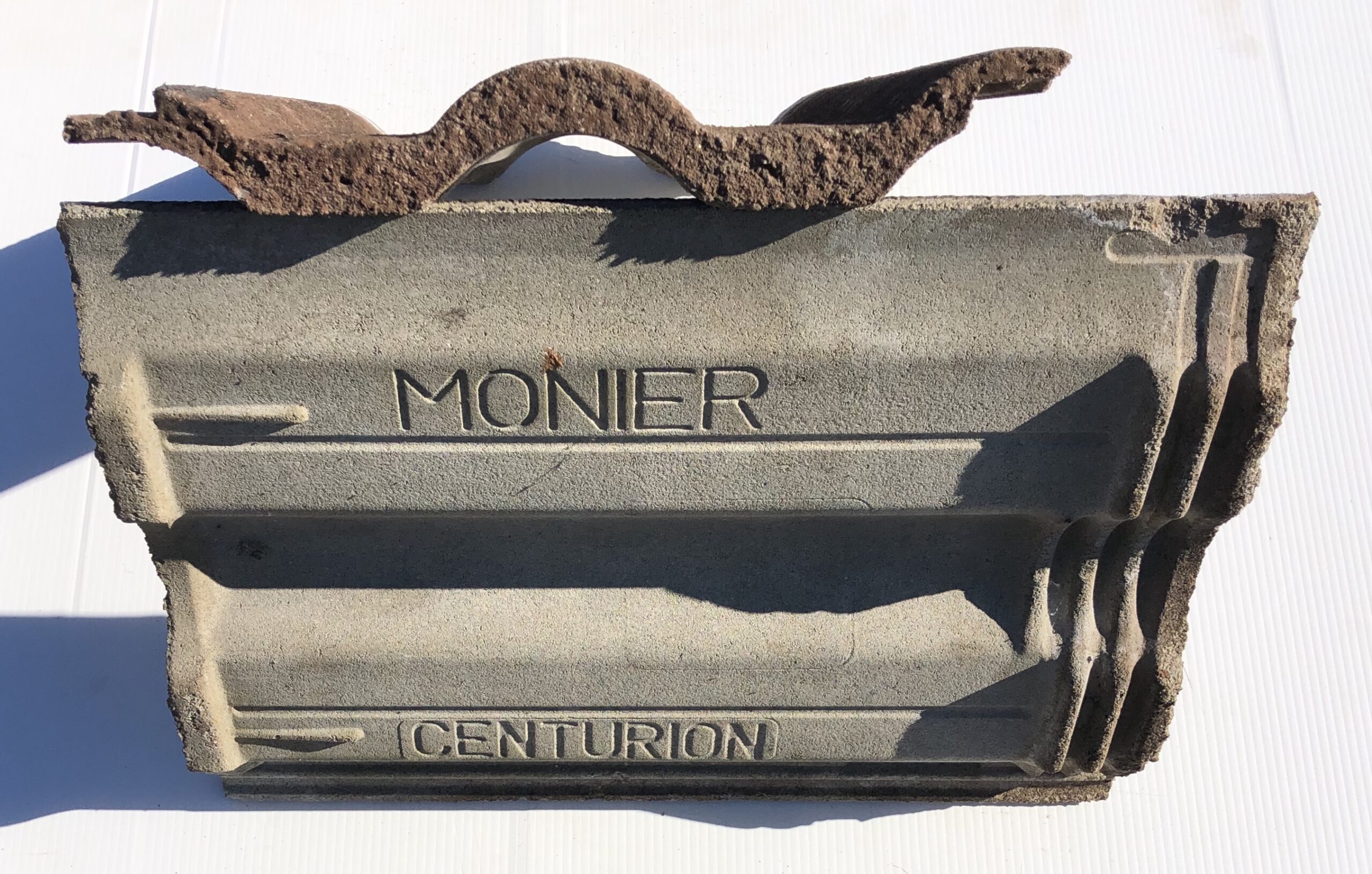
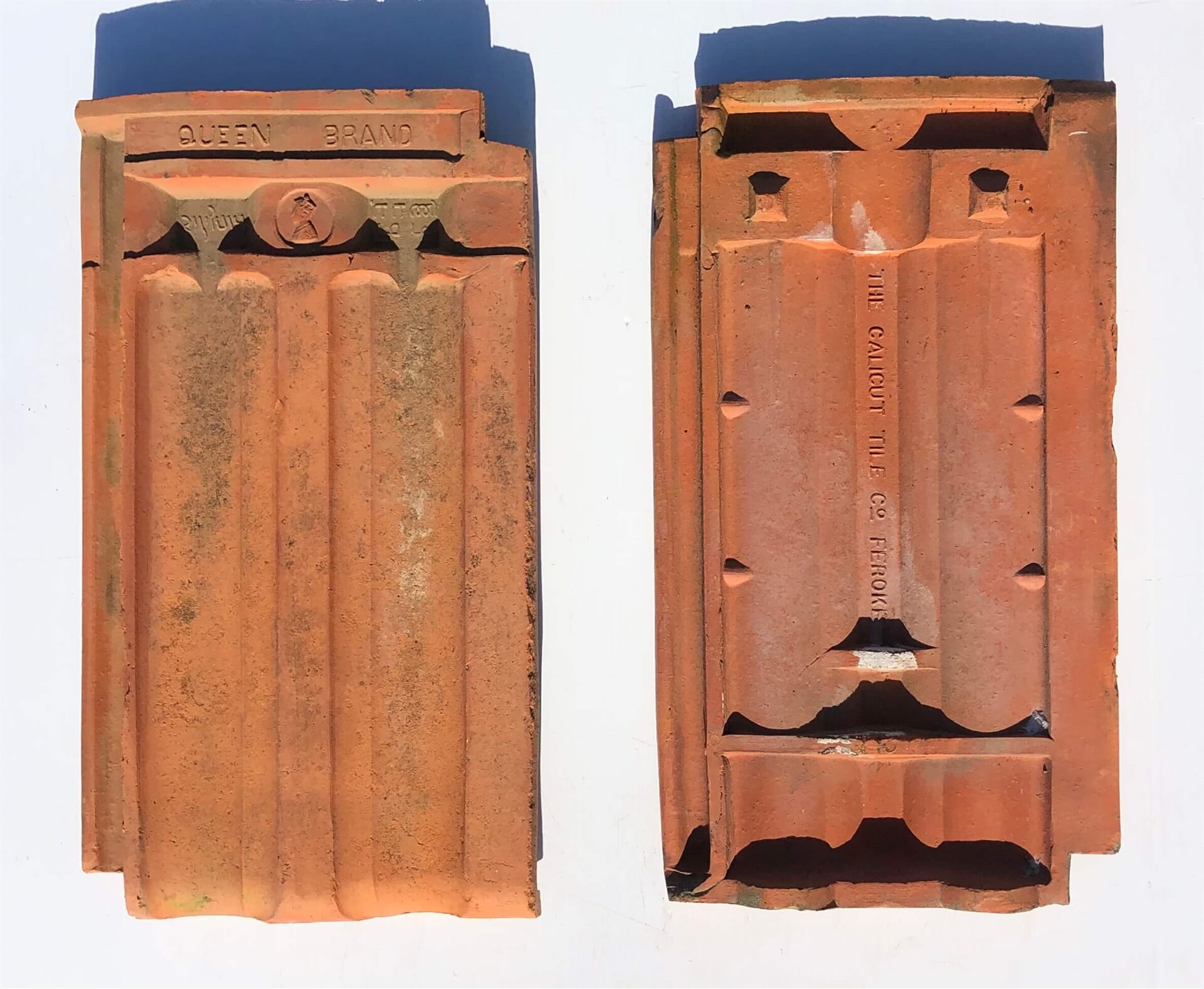
Step 3: Check the Interlock, Sidelock and Water Channel
When identifying an old roof tile, check:
The sidelock
This is where one tile overlaps or locks into the tile beside it.
The water channel
This helps direct water away from the overlap area.
The headlap
This is the overlap between one row of tiles and the row above.
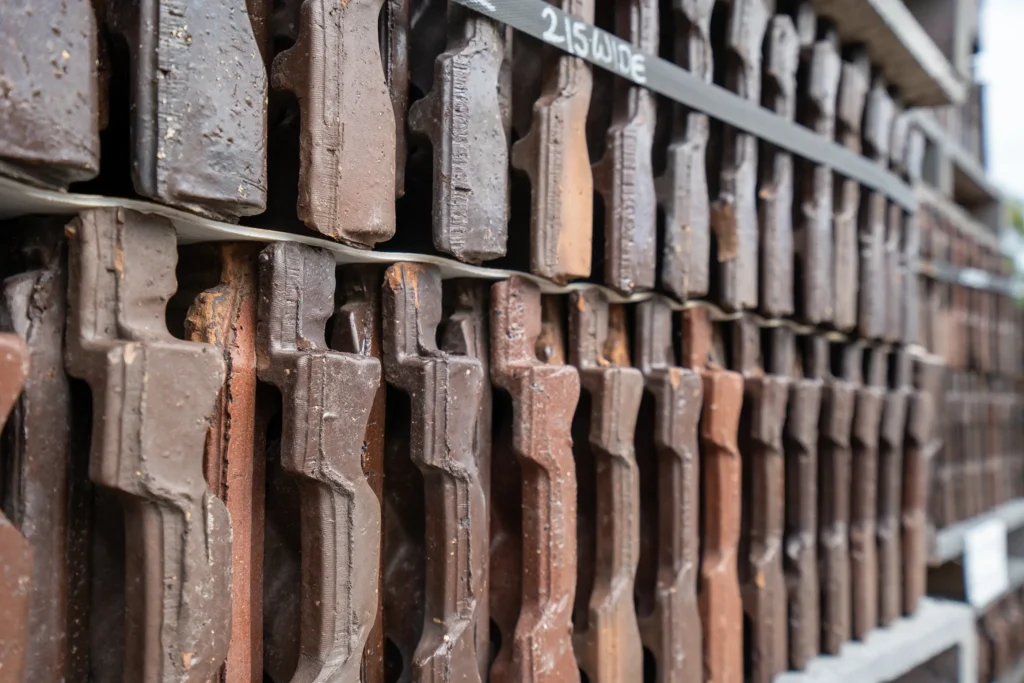
The nibs
These are the raised sections on the underside of the tile that help hold it to the roof batten.
The cover width
This is the practical width the tile covers once installed, not just the total width of the loose tile.
A near-match can fail if these details are wrong. The tile may appear similar in a photo, but not sit correctly on the roof.
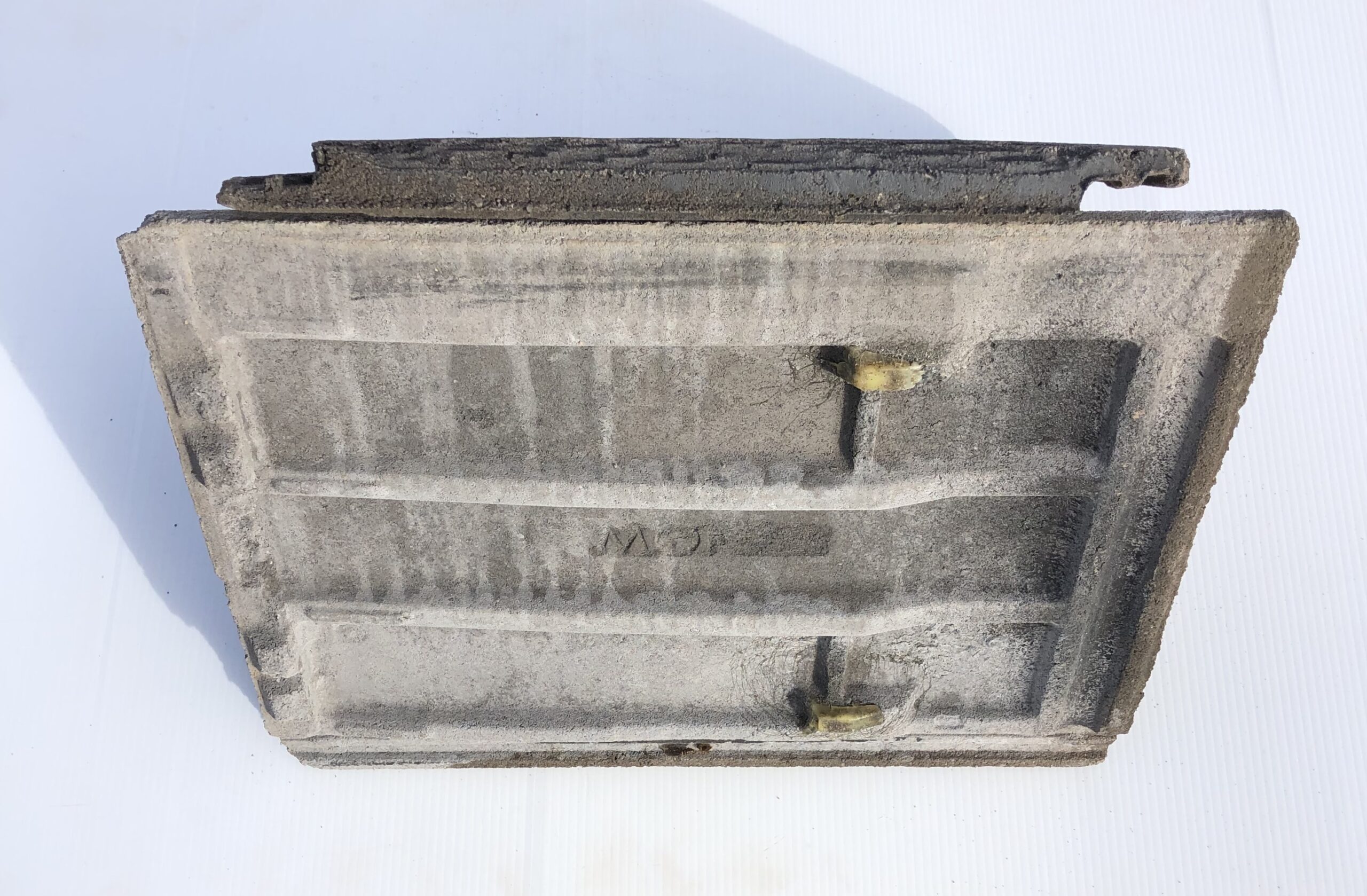
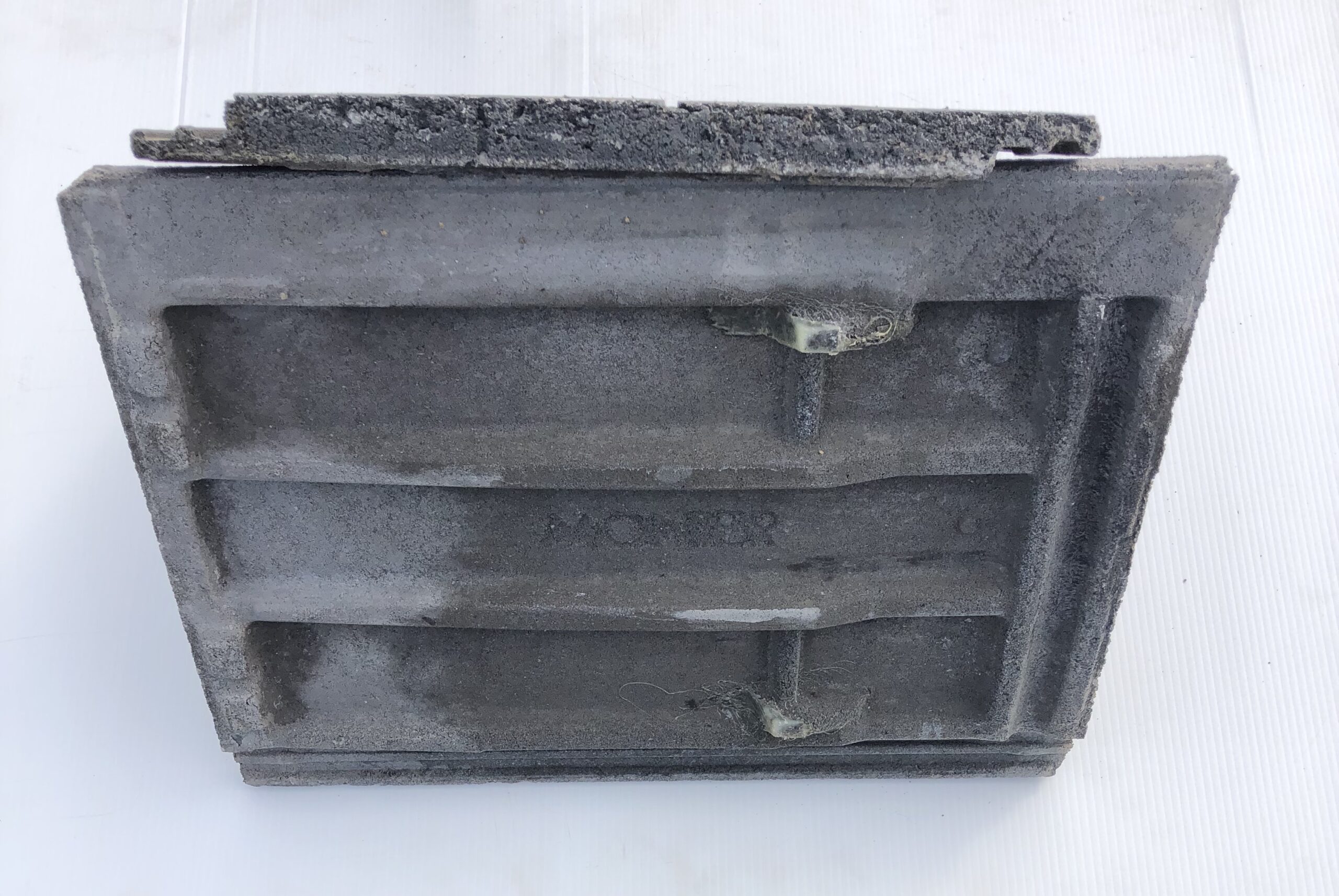
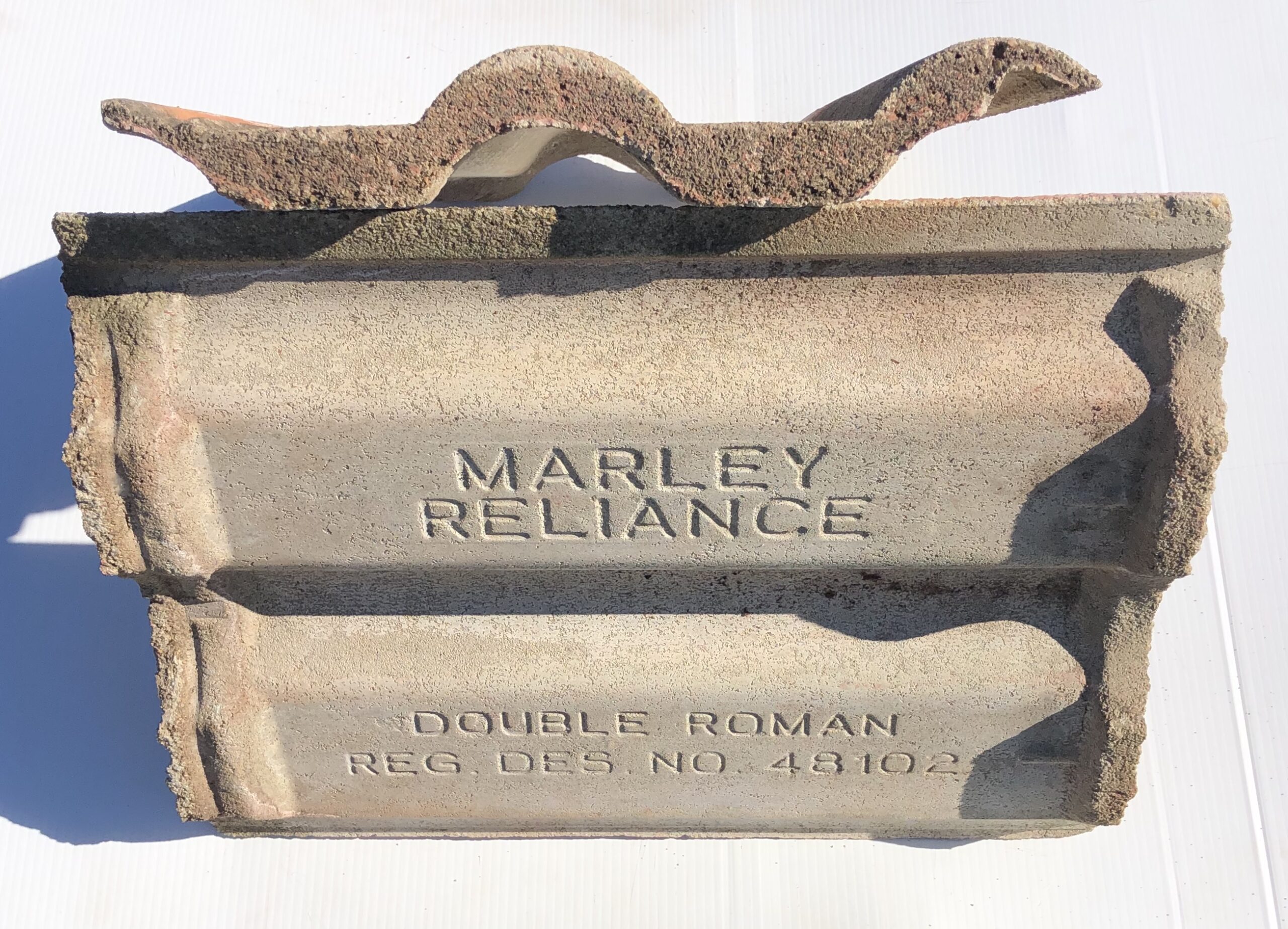
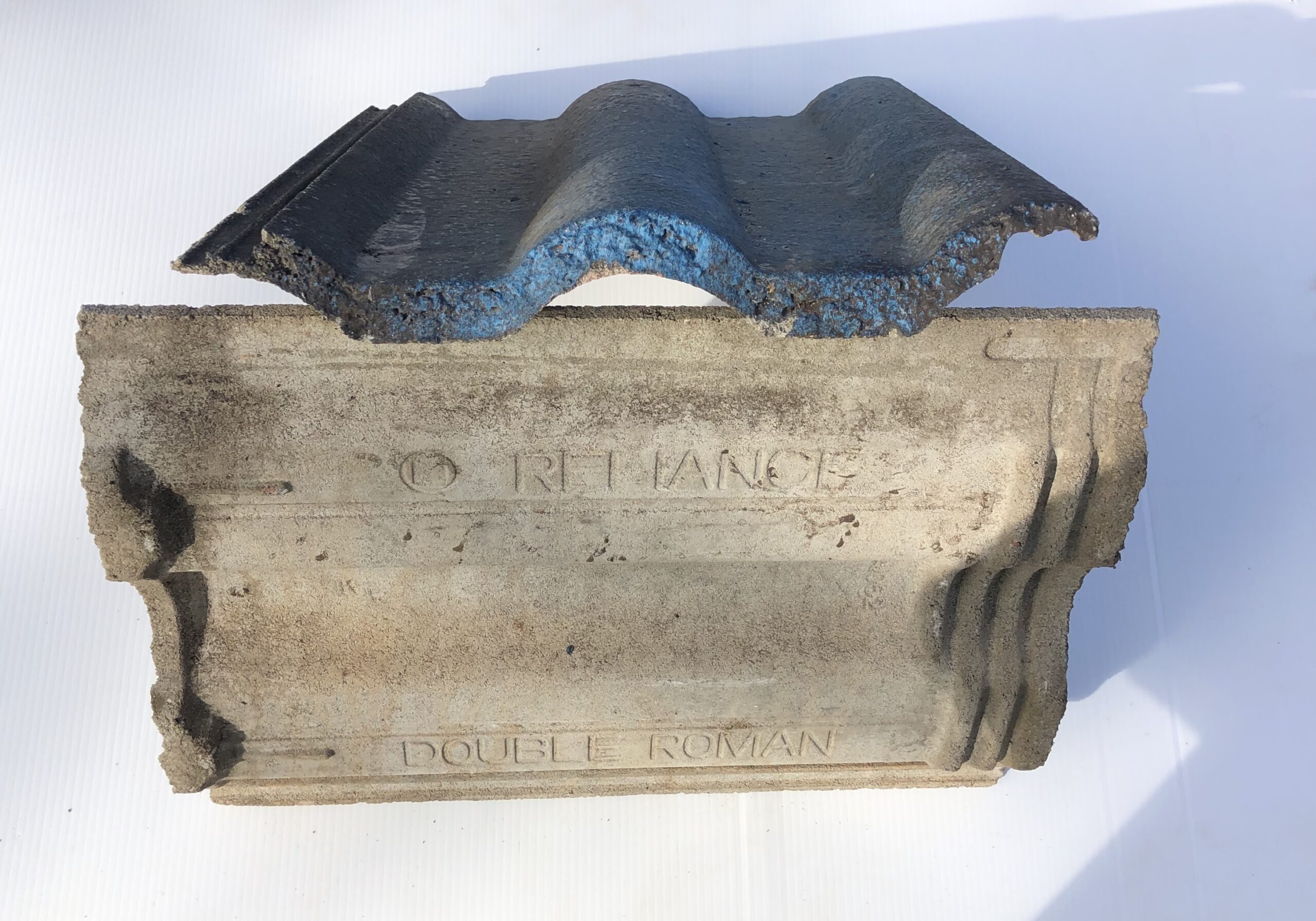
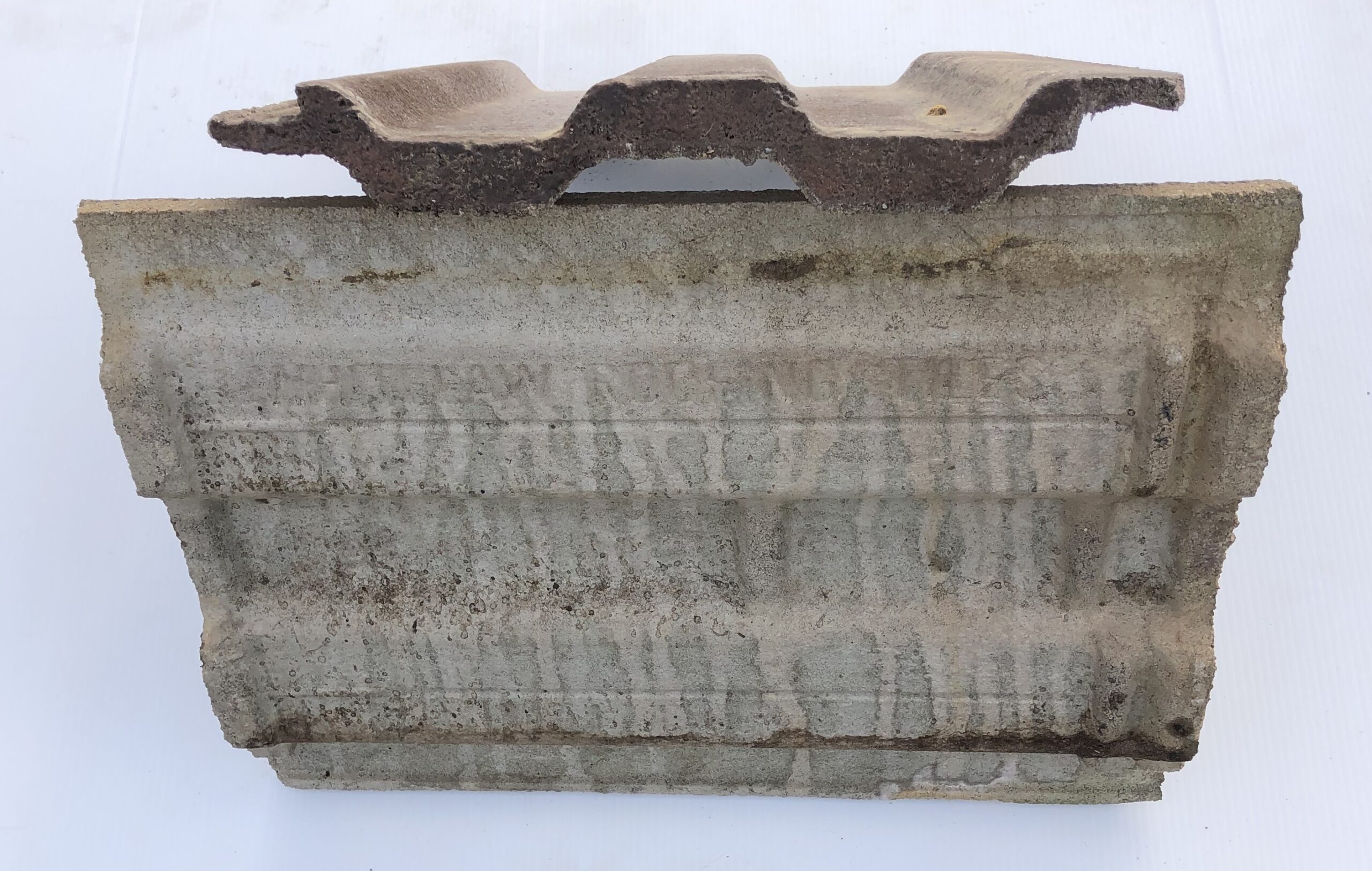
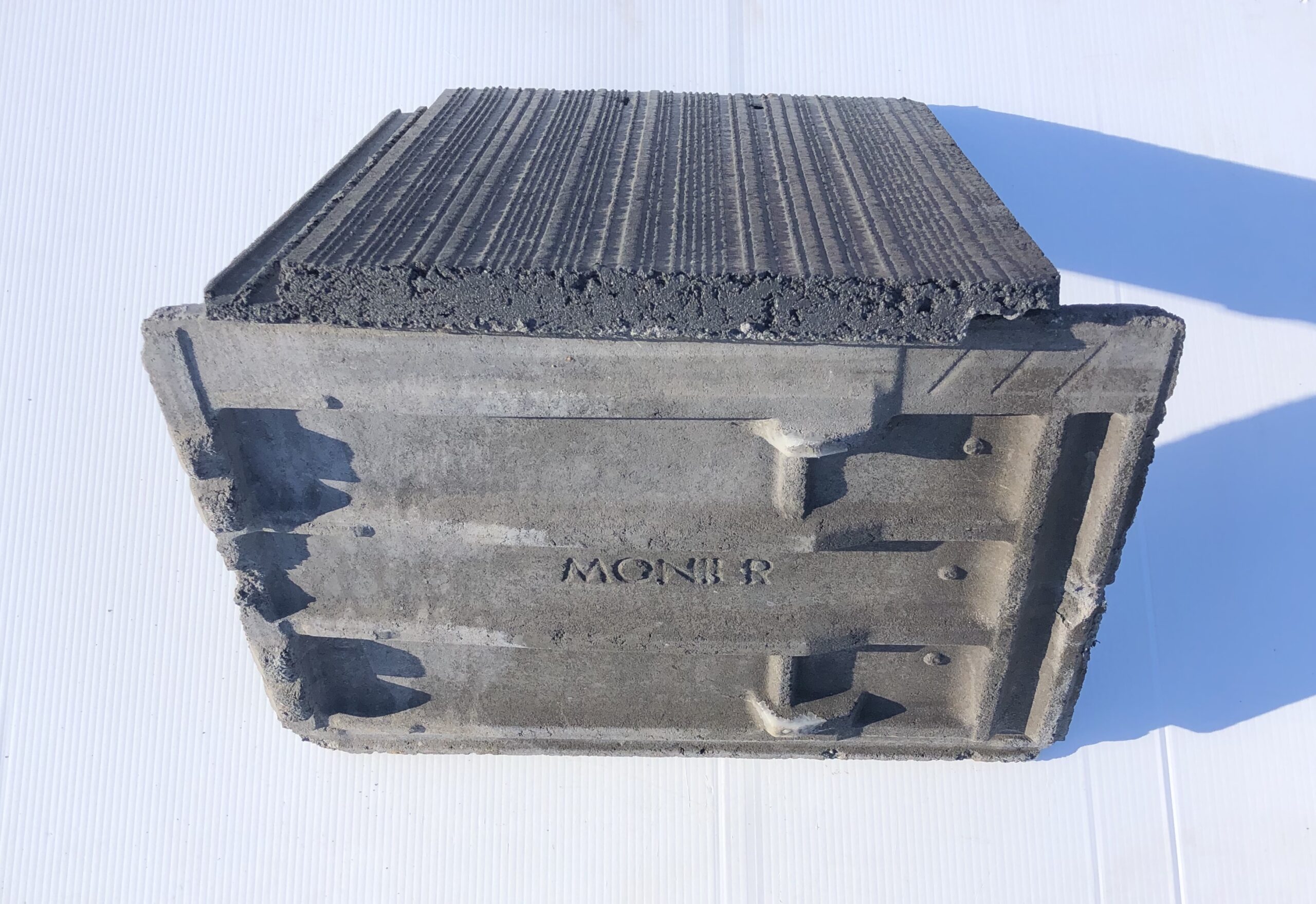
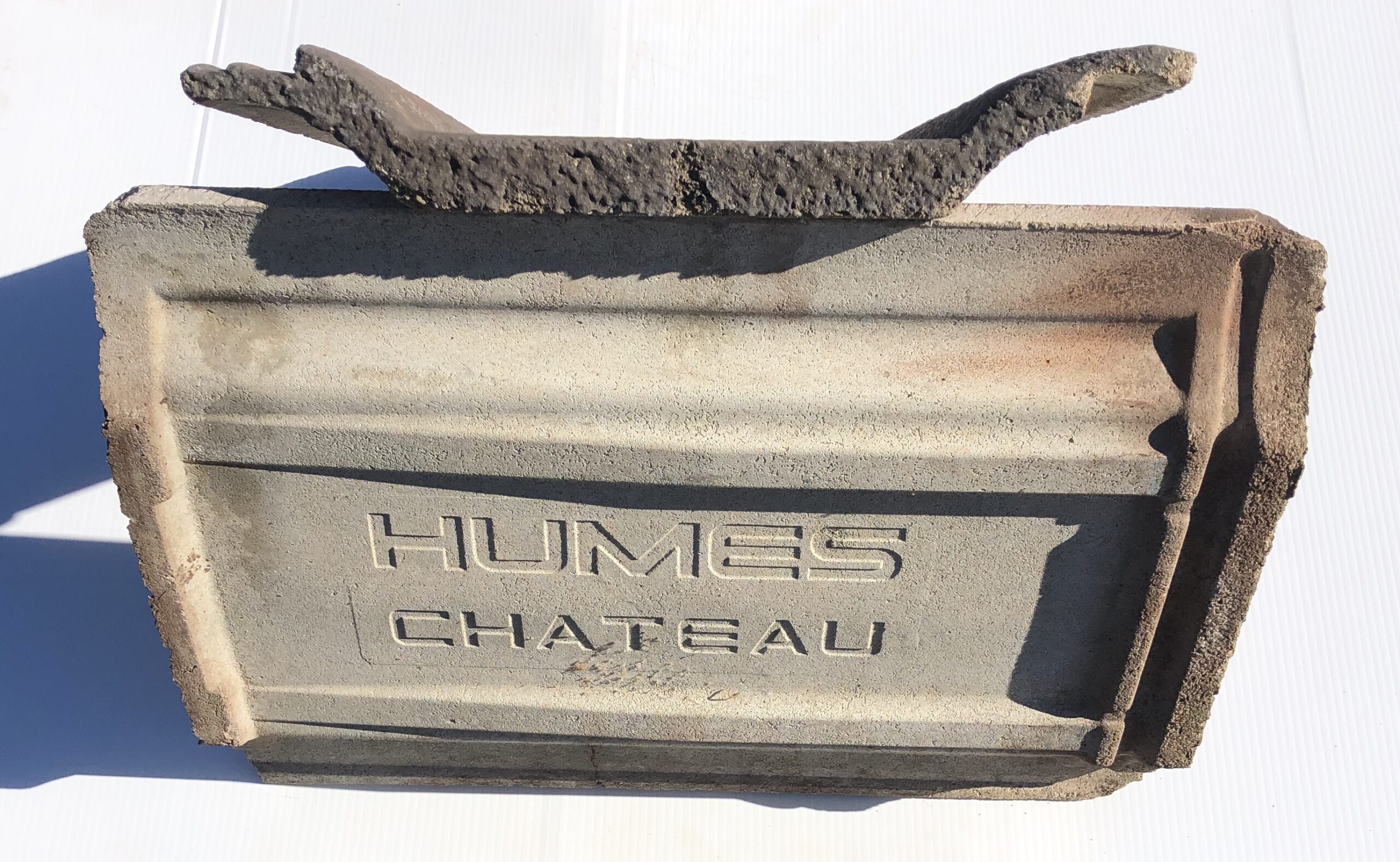
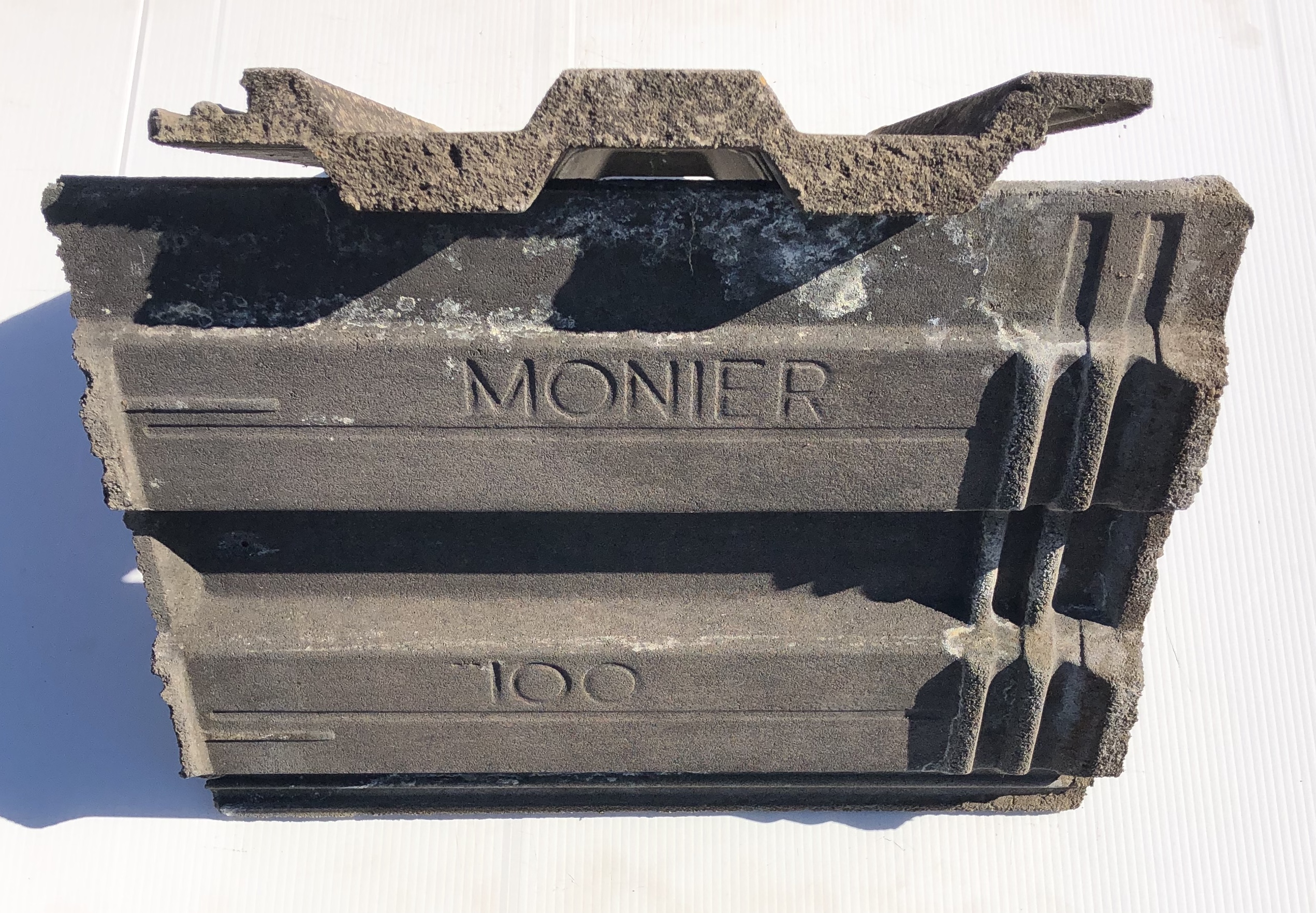
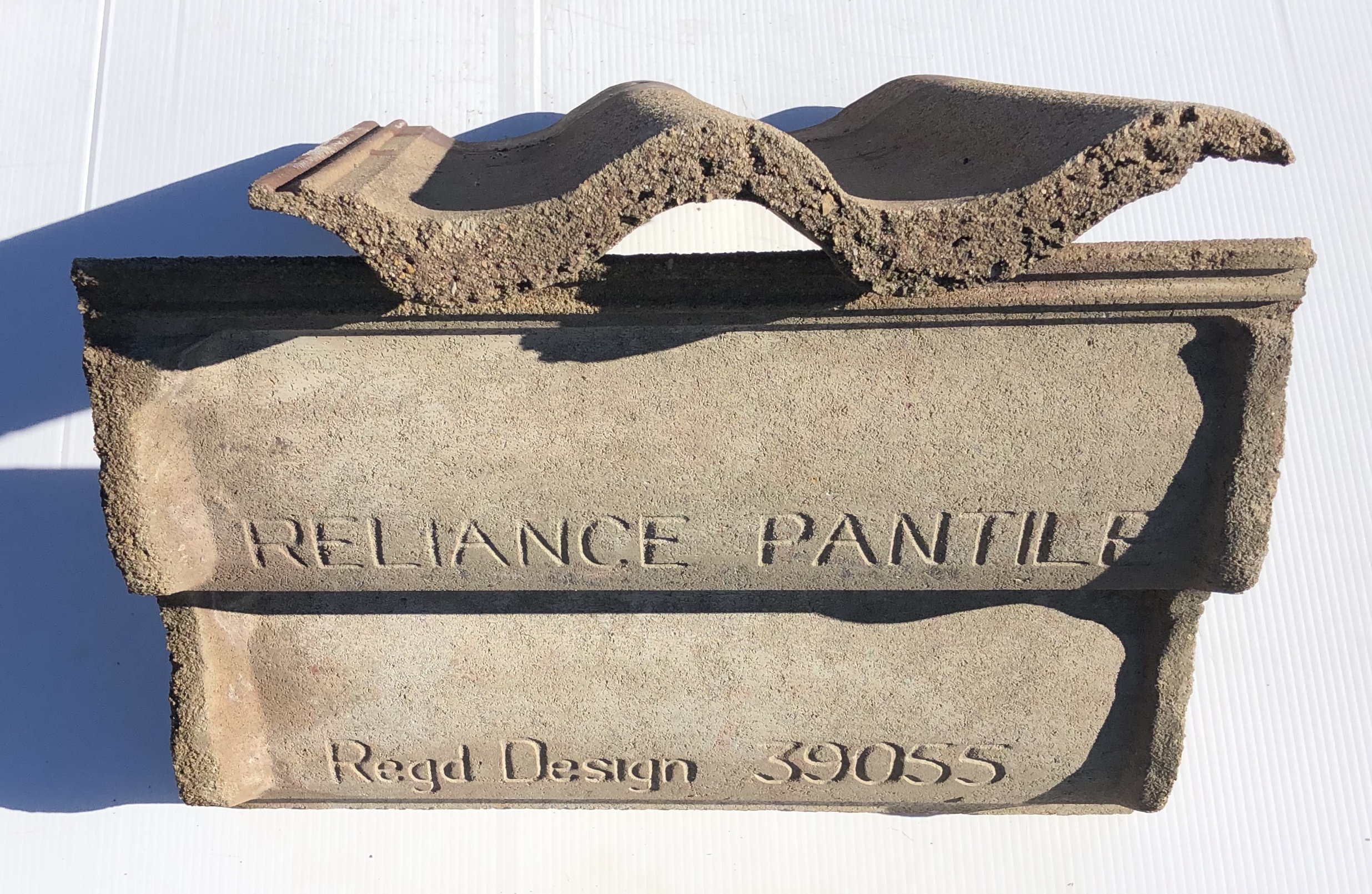
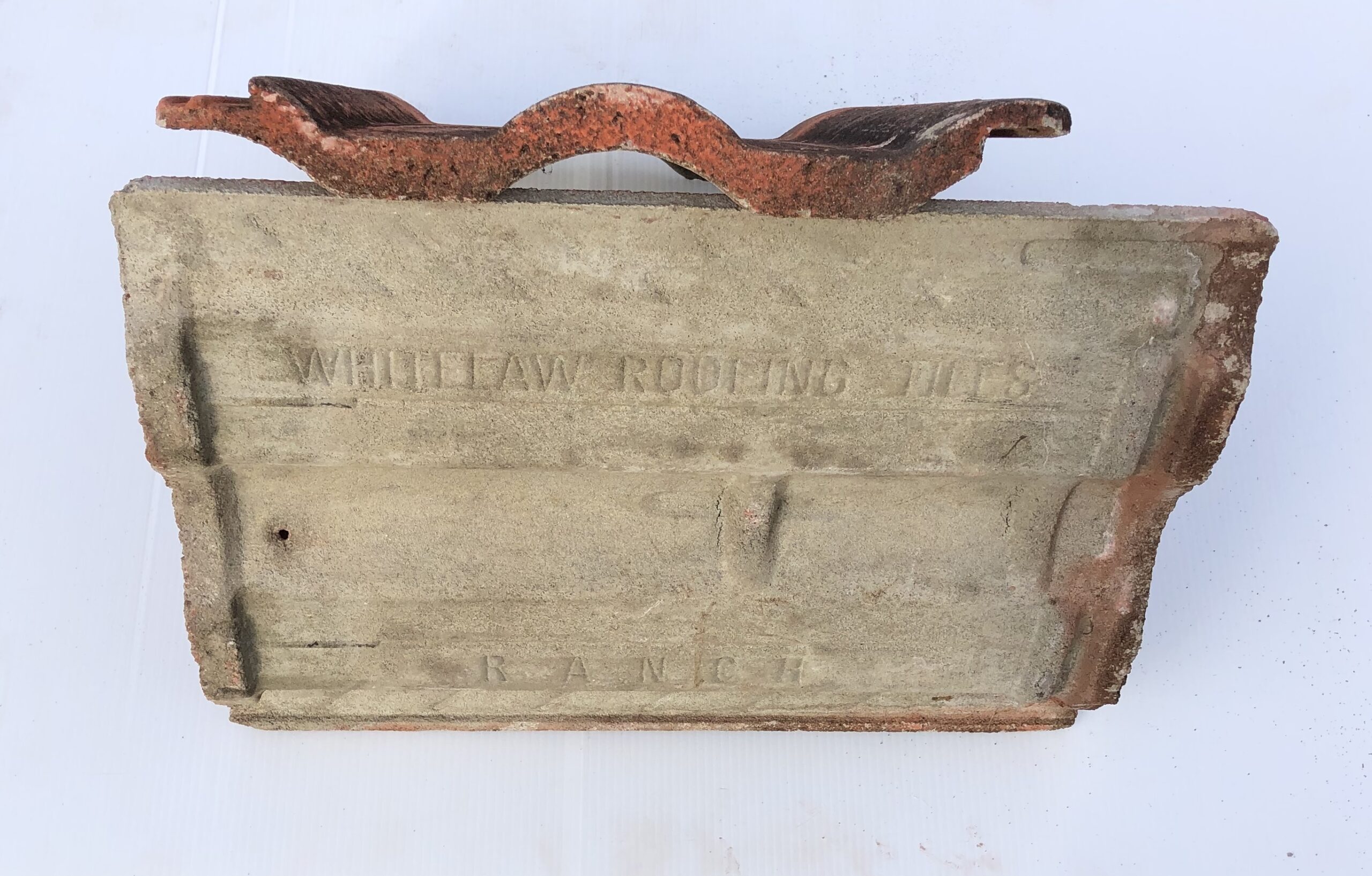
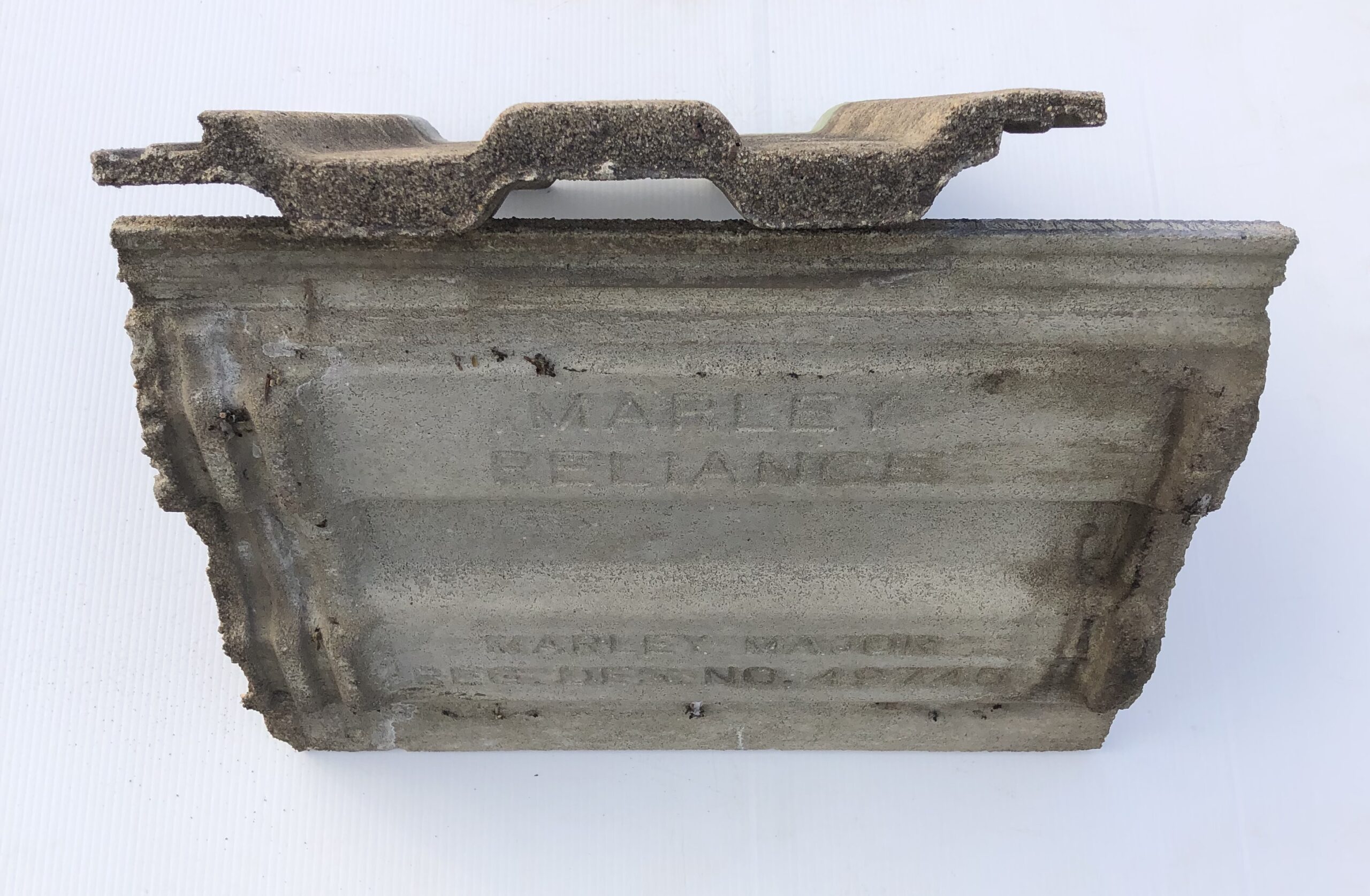
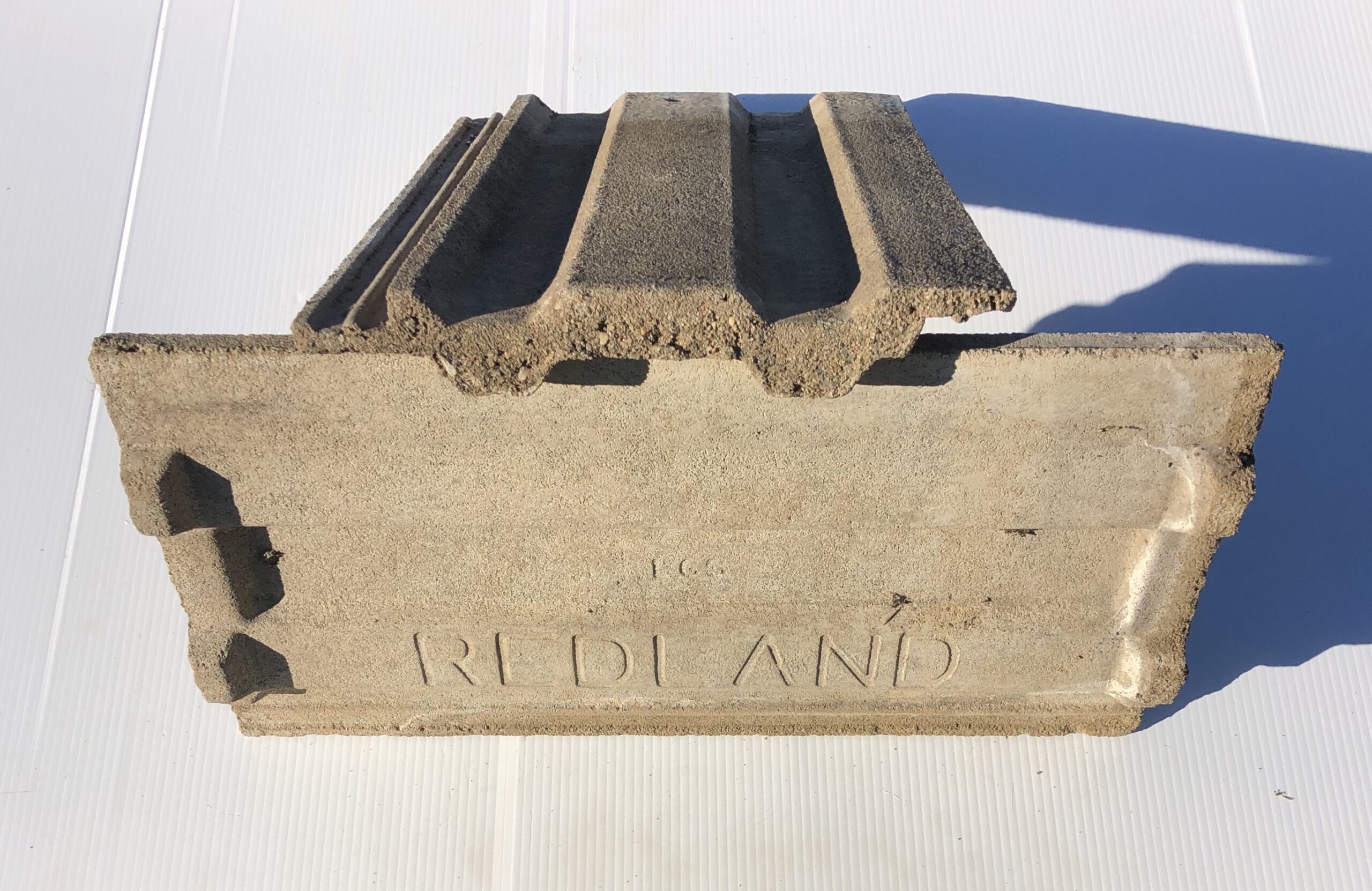
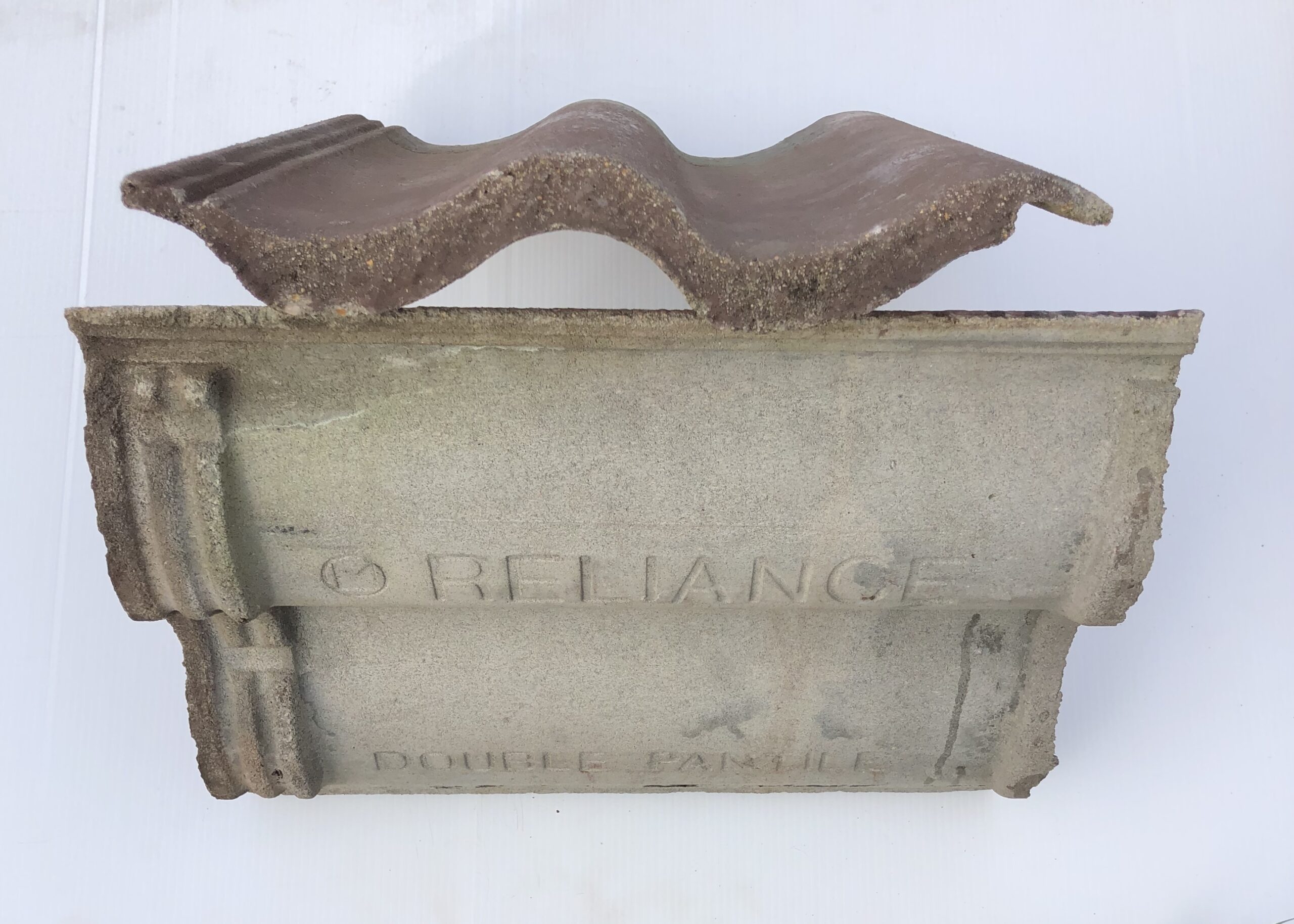
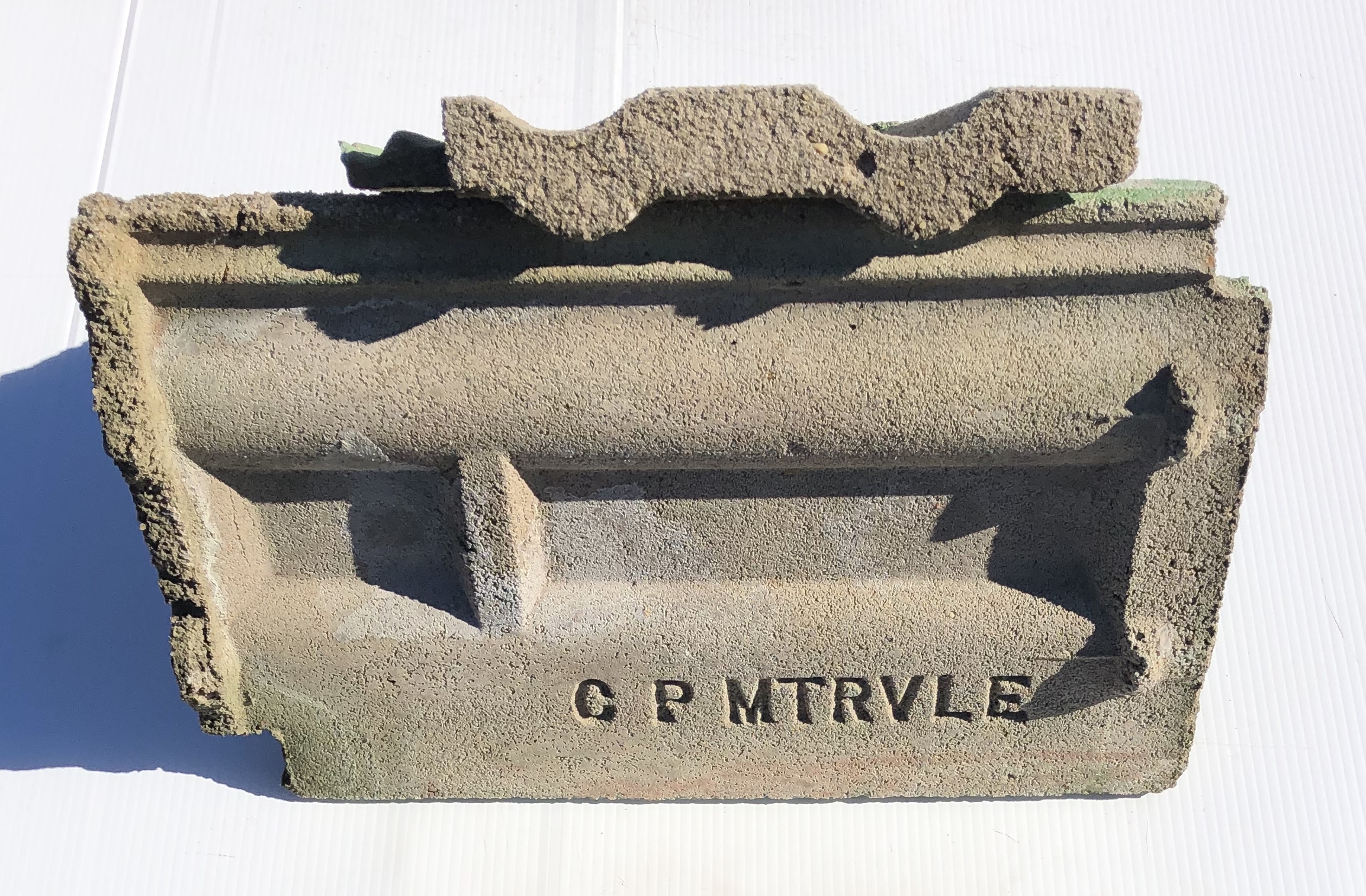
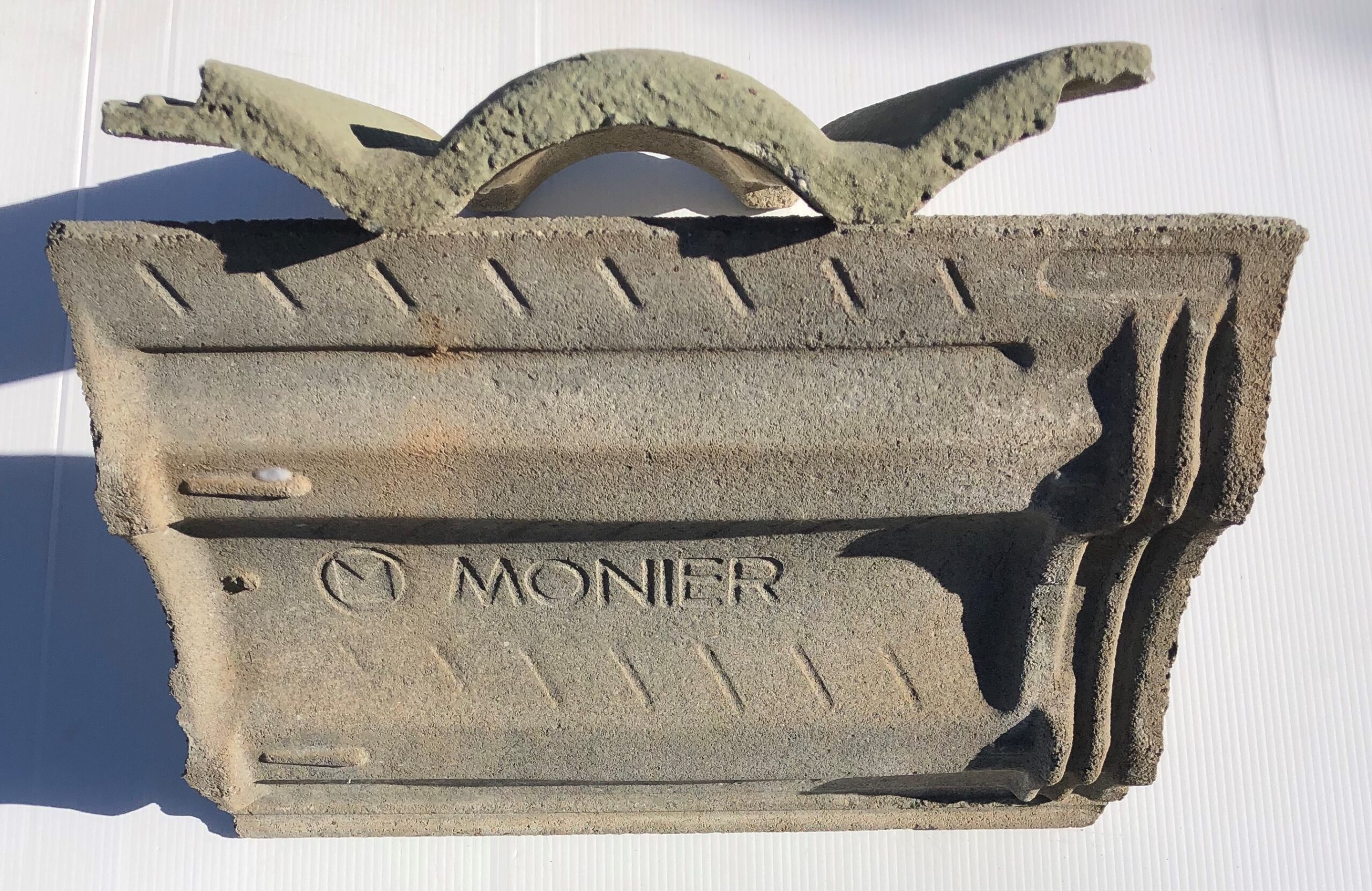
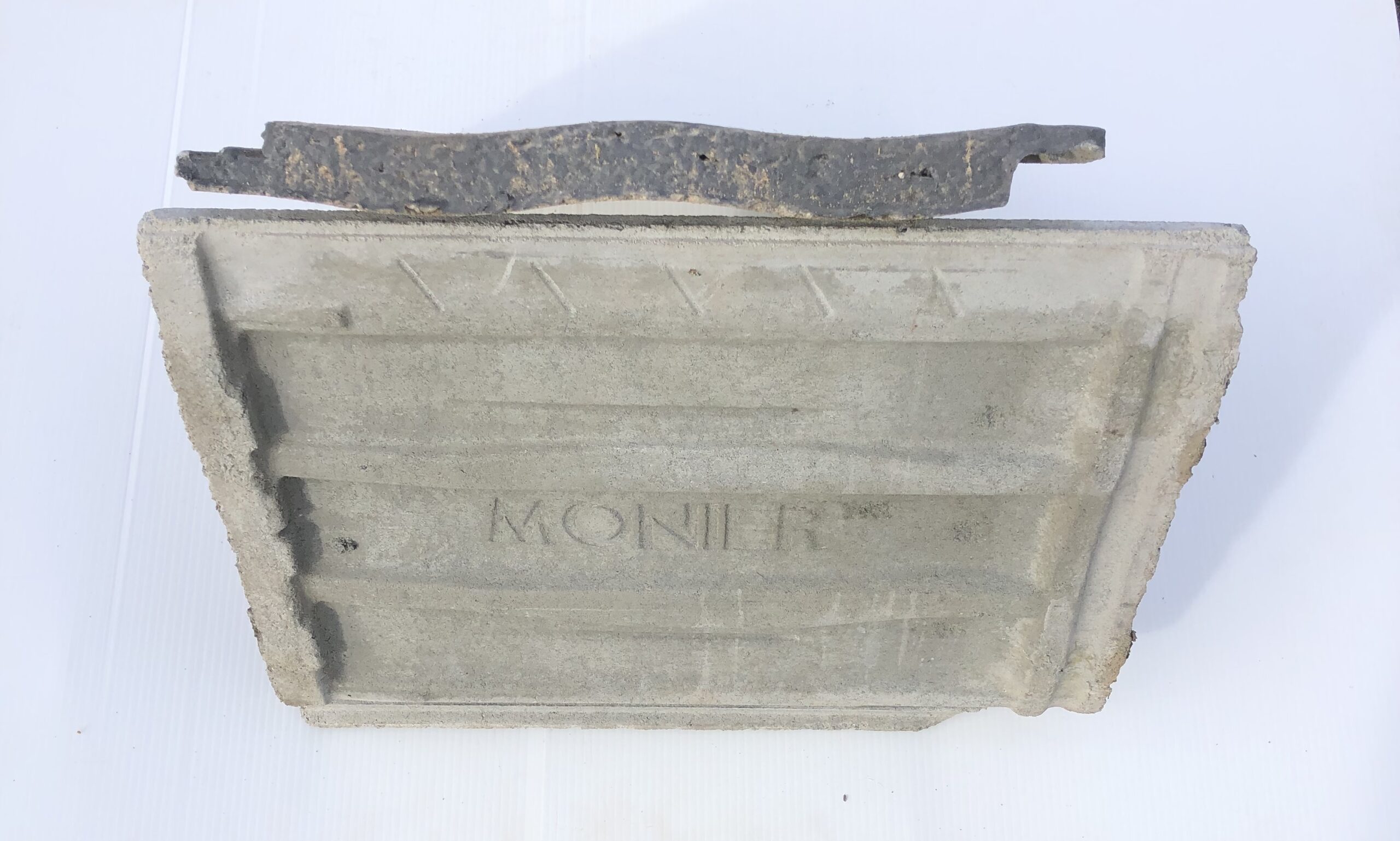
Step 4: Turn the Tile Over and Check for Markings
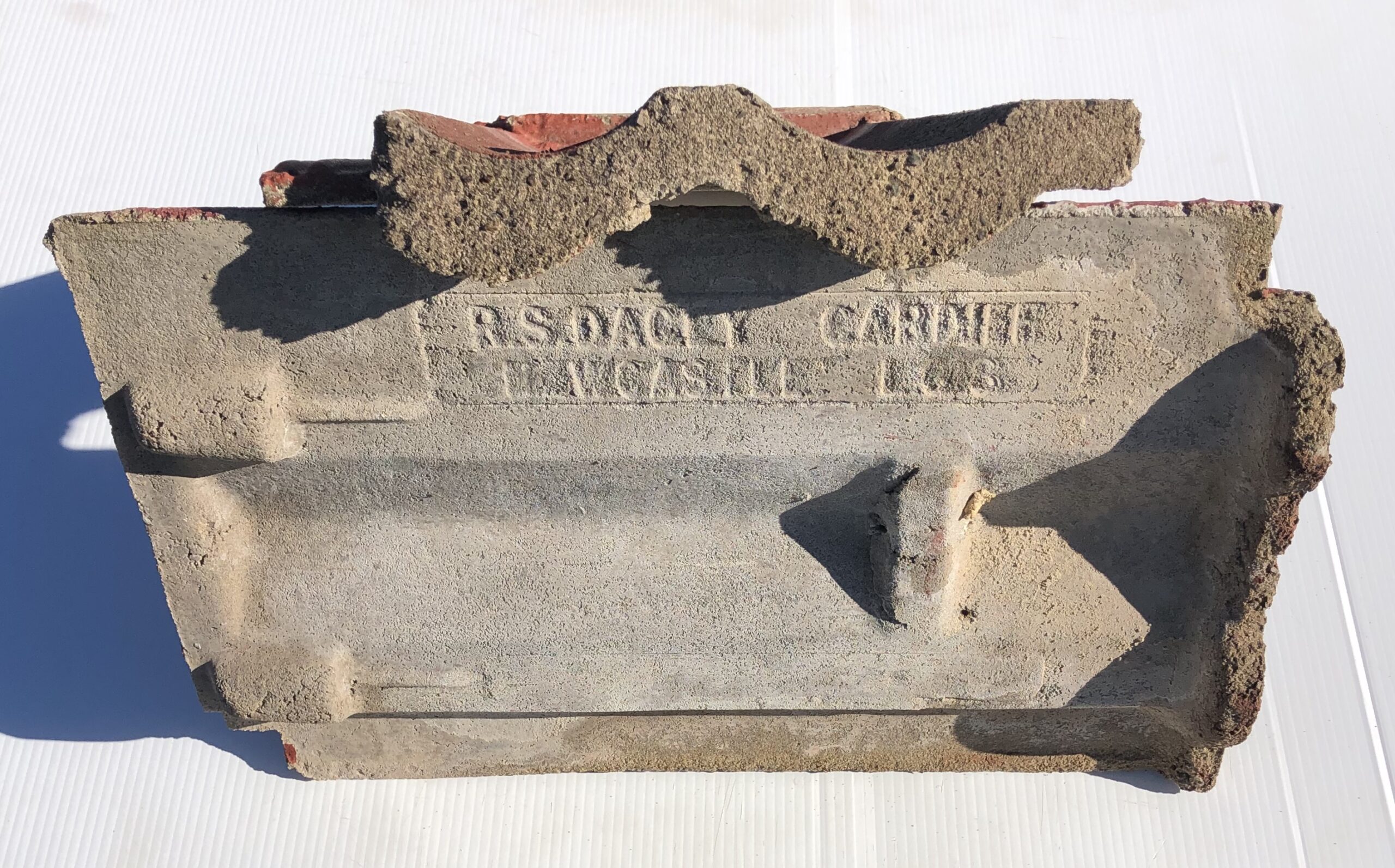
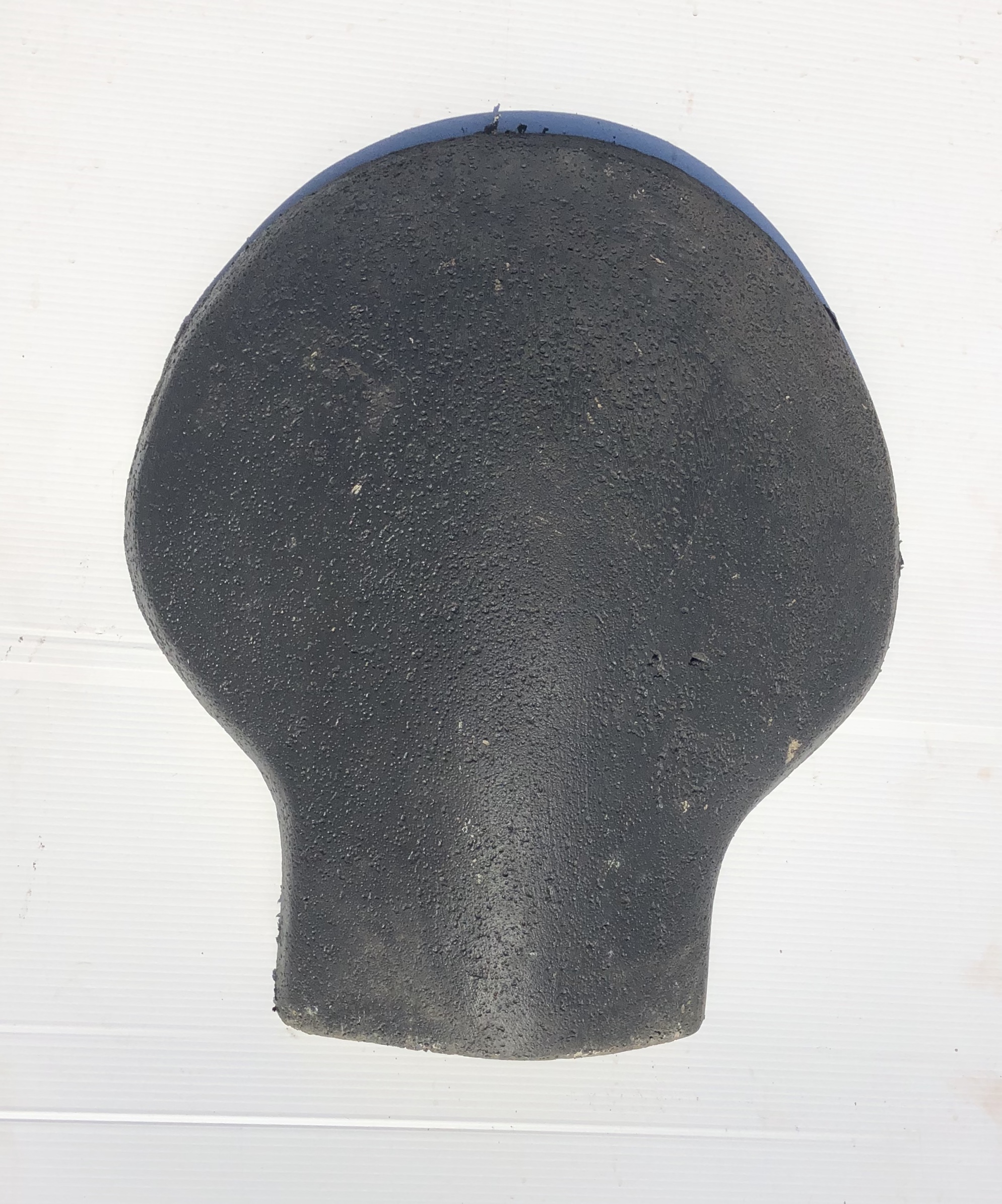
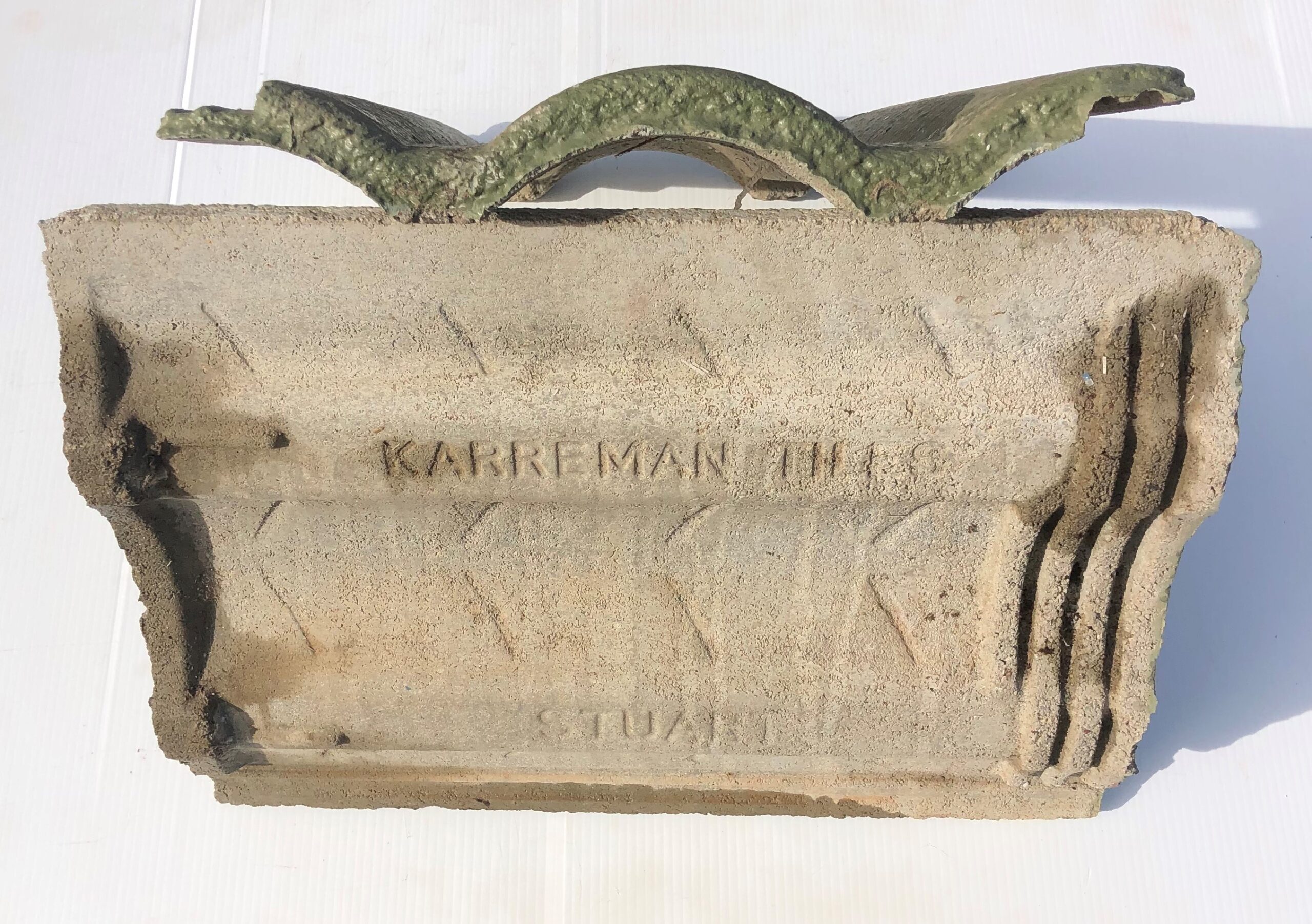
If you have a loose tile, turn it over and inspect the underside.
Look for:
- brand names
- numbers
- profile codes
- mould marks
- arrows
- letters
- production marks
- stamped logos
- raised text
- batch or manufacturing clues
Older roof tiles may show names or markings associated with brands and legacy profiles. However, not every tile has a clear marking. Some markings wear down, become covered in dirt, or were never obvious to begin with.
A marking can help, but it is not the only way to identify a tile. The profile, size, material, interlock and nib position are often just as important.
Step 5: Measure the Tile Properly
Do not rely on a rough guess.
Measure:
- total length
- total width
- cover width
- thickness
- distance between nibs
- nib height and position
- headlap area
- sidelock width
- visible exposure area
- curve height, if relevant
A photo with a tape measure is very useful because it gives the supplier a scale.
For the best results, place the tile flat on the ground and take photos from above, from the side, and from the underside, with the tape measure visible.
Step 6: Photograph the Tile Correctly
Send these photos for accurate identification:
- The front face of the tile
- The underside of the tile
- The side profile
- A close-up of any brand mark, number or stamp
- A close-up of the side interlock
- A close-up of the water channel
- The tile beside a tape measure
- A wider photo of the roof area
- A close-up of the broken or missing tile area
Help us identify your tiles by sending us these 5 photos:
- Front
- Back
- Side
- Markings
- Roof area
Step 7: Check Whether It Is a Field Tile or an Accessory
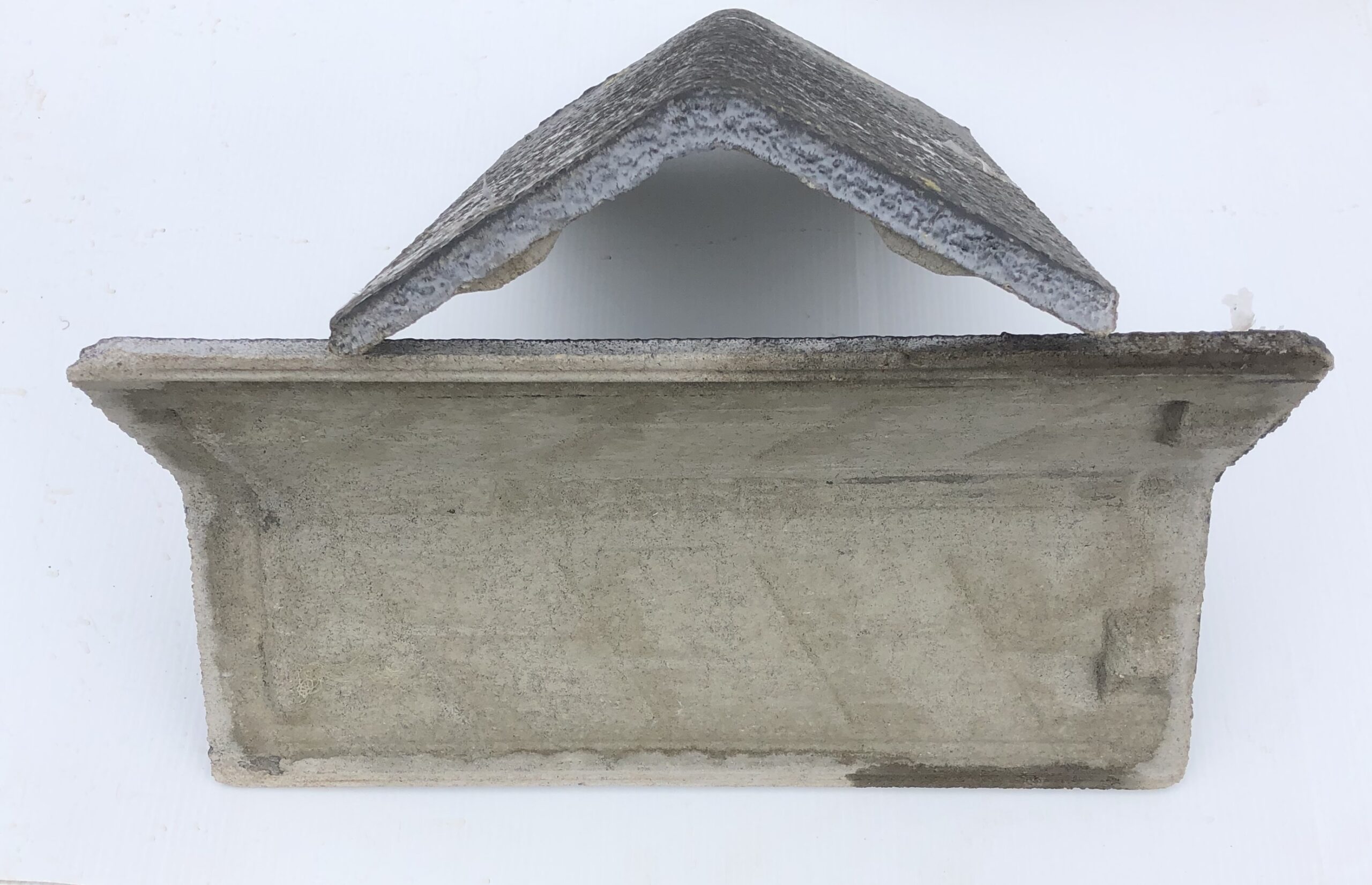
Many homeowners think every roof tile is the same. It is not. Some pieces are standard field tiles. Others are accessories.
Examples include:
- ridge caps
- barge caps
- starters
- finials
- saddles
- spoons
- valley pieces
This is important because an accessory tile may be much harder to identify and source than a standard field tile.
Step 8: Understand Why Colour Is Not Enough
Roof tile colour can change because of:
- age
- UV exposure
- weathering
- roof coatings
- dirt and pollution
- moss and lichen
- salt exposure in coastal NSW areas
- previous restoration work
- batch variation
This is especially relevant across the Central Coast, Newcastle, Sydney, and coastal NSW suburbs, where roofs may be exposed to salt air, storms, humidity, and strong sun.
The better process is: First, match the profile and fit. Then consider colour and visual blending.
Sometimes a weathered recycled tile will blend better with an older roof than a brand-new tile.
Need Help Identifying an Old Roof Tile?
If you are not sure what roof tile you have, send clear photos to Recycling Roof Tiles before buying a replacement.
For the fastest identification, include photos of:
- the front of the tile
- the underside
- the side profile
- any markings, numbers or stamps
- the interlock or water channel
- the tile beside a tape measure
- the roof area where the tile came from
Our team helps homeowners, roofers and builders identify old cement, concrete and terracotta roof tiles, including discontinued profiles used across Sydney, Newcastle, the Central Coast, Hunter Valley, Maitland and regional NSW. Once the tile is identified, we can help you source a suitable replacement, a spare tile, or a matching accessory.
Identifying Roof Tile FAQs
How do I identify an old roof tile if there is no brand name or stamp on the underside?
If there is no visible brand name, the tile can still often be identified by its physical profile and installation details. The most useful clues are the total length, total width, cover width, nib position, side interlock, water channel, headlap area, curve height and material. A clear photo of the tile face, underside, side profile and sidelock can usually tell an experienced roof tile supplier more than a faded brand mark.
Why does the roof tile profile matter more than the colour?
The profile controls how the tile sits, overlaps and sheds water. A tile that looks similar in colour may still be wrong if the side lock, water channel, nib position or cover width are different. A poor profile match can cause the replacement tile to sit proud, rock on the batten, leave a gap under the headlap or interrupt water flow. Colour affects appearance, but profile affects fit and performance.
What is the difference between total width and cover width on a roof tile?
Total width is the full width of the loose tile from edge to edge. Cover width is the practical width the tile covers once installed and overlapped with neighbouring tiles. Cover width is often more important for roof tile matching because it affects how the tile aligns with the existing roof layout. Two tiles may have a similar total width but a different cover width, which can cause the repair area to drift out of alignment.
Why is the nib position important when identifying a roof tile?
The nibs are the raised lugs on the underside of the tile that hook over the roof batten. If the nib position does not match the original tile, the replacement may sit too high, too low, or at the wrong angle. This can affect headlap, water shedding and the way the tile locks into the surrounding tiles. When sending photos, include a clear underside image showing the nibs and their distance from the top edge.
What is the sidelock, and why does it matter for replacement tiles?
The sidelock is the side overlap or interlocking edge where one tile connects with the tile beside it. It helps control lateral water movement and keeps the roof surface aligned. If the sidelock does not match, the replacement tile may not seat correctly against neighbouring tiles. This can create a raised edge, visible gap or leak path during wind-driven rain.
What is the water channel on a roof tile?
The water channel is the recessed path or drainage section built into the tile profile. It helps direct water down the roof and away from the side overlap. When identifying old roof tiles, the water channel shape, depth and position are important because similar-looking tiles can have different drainage paths. A mismatch can increase the risk of water tracking sideways under the tile.
Why do some replacement tiles sit higher than the surrounding roof tiles?
A replacement tile may sit high if the profile is slightly different, the nib position is wrong, the tile is thicker, the sidelock does not engage properly, or debris is sitting under the tile. Older surrounding tiles may also have settled over time. A tile that sits proud can be more exposed to wind uplift, foot traffic damage and water entry, so it should not be ignored.