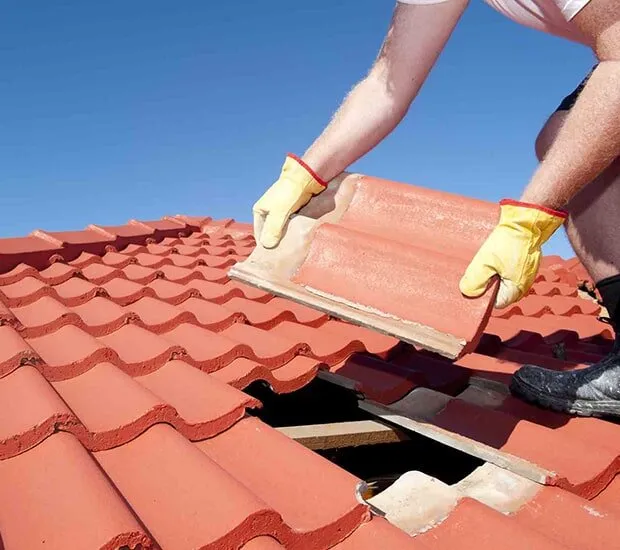

A broken roof tile in the middle of a roof is often relatively straightforward. Identify the profile, lift the surrounding tiles and install the correct replacement.
Roof tiles at the edge are different.
The edge is where the tiled surface meets the bargeboard, gutter, hip, flashing or open air. The tiles may be cut, bedded, pointed, mechanically fixed or supported by a special accessory. That means a loose edge tile is sometimes only the visible part of the problem.
The correct repair may involve replacing one tile. It may also require resetting an entire verge, repairing a batten, replacing a barge tile or correcting the way water is being directed into the gutter.
First Identify Which Roof Edge Is Damaged
Before deciding how to fix roof tiles at the edge, identify exactly which part of the roof is affected.
| Roof area | Where it is located | Common problem |
|---|---|---|
| Verge or gable edge | The sloping edge at the side of a gable roof | Cracked mortar, loose edge tiles or failed bedding |
| Eaves edge | The bottom row directly above the gutter | Slipped tiles, broken nibs, damaged battens or poor gutter overhang |
| Hip edge | The diagonal external line where two roof slopes meet | Loose hip starters, failed pointing or damaged cut tiles |
| Valley edge | The internal channel where two roof slopes meet | Incorrectly cut tiles, blocked drainage or displaced valley tiles |
| Barge tile | A purpose-made tile covering a gable end | Broken accessories, failed fixings or an unavailable discontinued profile |
This distinction matters. Adding mortar to a slipped eaves tile will not repair a broken tile nib. Replacing a field tile will not solve a moving bargeboard. Sealing the surface will not correct a blocked drainage channel underneath the tile.
The Failure Pattern Often Reveals the Real Cause
An experienced roof inspection looks at the pattern of the damage, not only the tile that has moved.
If one edge tile is cracked but the tiles above and below remain straight, the damage may be local. Common causes include a fallen branch, ladder impact or foot traffic from solar, antenna, air-conditioning or gutter work.
If several verge tiles have moved together, or a long strip of mortar is separating from the gable, the problem is more likely to involve the bedding, pointing, undercloak, bargeboard or original fixing method.
If the same edge has been patched several times, the previous repair may have treated the crack without treating the movement behind it.
A useful practical rule is this:
One damaged tile often indicates an impact or individual tile failure. A repeating line of damage usually indicates a problem with installation, support or movement.
Why Roof Edges Fail Differently in NSW
NSW contains several very different roofing environments. A repair that works on a sheltered western Sydney home may not be appropriate for an exposed coastal property or a house beside bushland.
Wind-driven rain on coastal gables
Homes near Sydney’s coastline, the Central Coast, Newcastle and Port Stephens can receive heavy rain from one direction. The roof may remain dry during ordinary vertical rainfall but leak when rain is driven sideways against the gable.
This is why an east-facing or exposed verge may leak only during certain storms.
In this situation, the visible tile may not be cracked. Water may be entering through failed pointing, a gap behind the bedding, an incorrectly finished verge or a displaced tile that no longer engages properly with the tile beside it.
Smearing sealant over the outside can temporarily hide the opening while leaving the underlying water path unchanged.
A proper repair checks:
- Whether the edge tile is mechanically secure
- Whether the bedding strip or undercloak is intact
- Whether the mortar is bonded or hollow
- Whether flexible pointing has separated
- Whether water can drain outward rather than behind the bargeboard
Roof tile installation guidance also treats gable finishing according to local exposure conditions, rather than as one standard detail for every property.
Older tile profiles across Sydney, Newcastle and the Central Coast
Many older NSW homes use tile profiles that are no longer manufactured. This is especially common on established concrete and terracotta roofs where repairs, extensions and partial replacements have occurred over several decades.
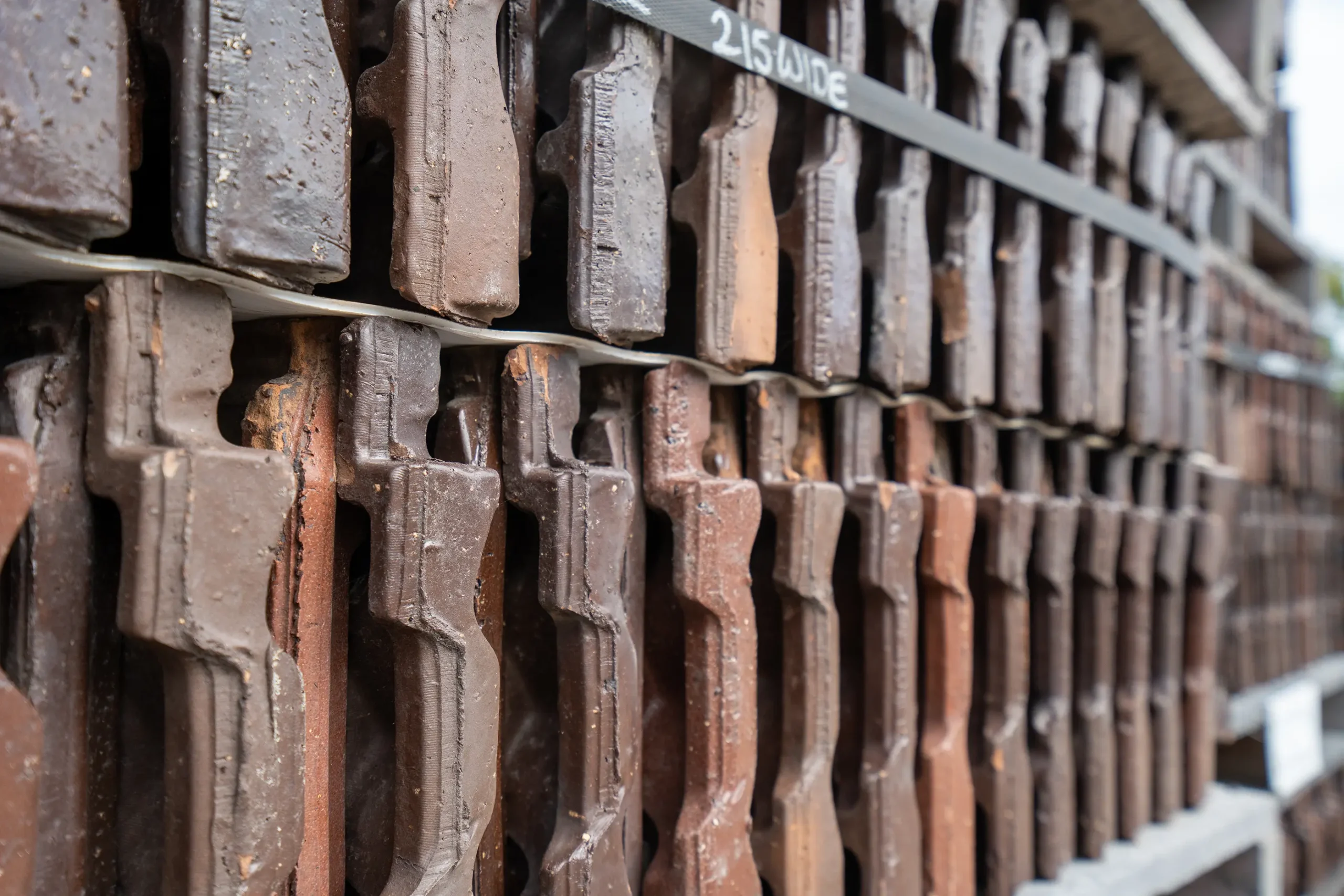
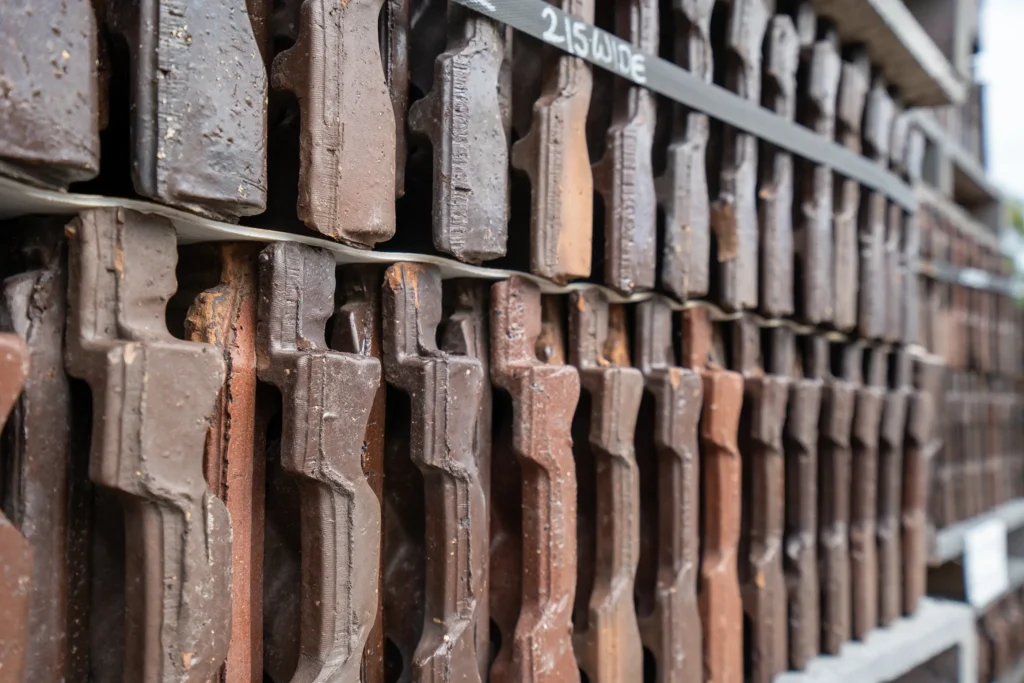
Two tiles can appear almost identical from above but differ underneath. The sidelock may be deeper, the nib may sit in a different position, or the tile may be several millimetres wider.
That small difference becomes more important at the edge.
A field tile in the middle of a roof is supported and restrained by tiles on both sides. A verge or cut tile has less neighbouring support, so a poor match may rock, sit high, leave a drainage gap or place pressure on the adjacent tile.
Do not select an edge replacement using colour alone. The profile, sidelock, nib position, dimensions and coverage must be checked first.
Read our guide to identifying old roof tiles in NSW.
Damage after solar, gutter and antenna work
The eaves are usually the first section accessed from a ladder. They are also where tradespeople begin moving onto the roof.
The tile eventually discovered by the homeowner may not have broken during bad weather. It may have been cracked during earlier work and remained in position until vibration, wind or another person stepping nearby caused it to separate.
Manufacturers specifically identify roof traffic and work performed by other trades as common sources of tile damage. They also recommend keeping roof access to a minimum.
When one eaves tile is broken, inspect the likely access route above it. Finding another cracked tile one or two courses higher can explain why an apparently simple edge leak has persisted.
For more information, see our guide on what to do when roof tiles break during solar installation.
Bushfire-prone properties
In bushfire-prone parts of Hornsby, the Blue Mountains, the Central Coast hinterland and the Hunter, the roof edge is not only a rain detail. It can also be an ember-entry point.
Gaps at eaves, ridges and roof edges can allow embers and combustible debris into the roof space. CSIRO guidance recommends sealing relevant roof gaps and protecting eaves and ridges with suitable non-combustible materials in bushfire-prone situations.
The repair must not simply make the roof look straight from outside. It should also consider whether the damaged area has opened a path into the roof cavity.
How a Broken Verge Tile Should Be Repaired
The verge is the sloping edge of a gable roof. Depending on the roof design, it may use standard tiles bedded and pointed over an undercloak, or purpose-made terracotta or concrete barge tiles.
If only one tile is broken and the surrounding verge remains firm, the repair may involve sourcing the correct profile, removing the damaged tile and installing a matching replacement using the appropriate fixing method.
If the mortar has separated along several tiles, replacing only the worst tile is unlikely to last.
The affected section should be opened far enough to determine whether:
- The bedding remains sound
- The undercloak or bedding strip is intact
- The bargeboard is straight and secure
- The tile ends are properly supported
- The edge tiles have suitable mechanical restraint
- The existing pointing is flexible and firmly bonded
Australian installation guidance shows that a bed-and-point verge is a complete assembly. It includes the bargeboard position, bedding strip, mortar bed, edge tile and flexible pointing. Patching the visible face alone does not rebuild that assembly.
Where the damaged area continues into a hip or ridge, the repair may also involve the mortar supporting the capping. Our guide to roof tile bedding and pointing explains when repointing is enough and when the ridge caps need to be lifted and rebedded.
Why adding fresh mortar over old mortar fails
Old verge mortar often looks solid from the ground while having separated behind the surface. Applying new mortar over it creates a neat outer layer attached to an unstable base.
The repair may then crack along the same line or fall away with part of the old mortar still attached.
Loose material should be removed and the support underneath examined. Where rebedding is required, the tiles must be reset rather than cosmetically covered.
Flexible pointing is used because it can accommodate movement better than a rigid surface finish. Cement mortar should not automatically be treated as the sole method holding exposed tiles in place.
How a Loose Eaves Tile Should Be Repaired
The eaves are the bottom edge of the roof immediately above the gutter.
A tile in this row can move because:
- Its hanging nib has broken
- The first batten has deteriorated
- A clip, nail or fixing has failed
- The wrong replacement profile was previously installed
- The tile has been lifted or cracked by ladder access
- The first course is not sitting at the correct angle
- Fascia or gutter work has disturbed the tile support
The first course must sit correctly so water leaves the tile and enters the gutter. Installation guidance commonly allows the first course to project approximately 50 mm beyond the fascia, although the correct detail depends on the tile profile and roof system.
If the row sits too flat, too high or too far back, water can miss the intended drainage path. Wind-driven rain may also be pushed beneath the first course, particularly when sarking or anti-ponding details are missing or damaged.
The correct repair is not to glue the tile to the gutter or fascia. The roofer should inspect the tile, batten, fixing and first-course alignment as one system.
How Hip and Barge Tiles Should Be Repaired
Hip starters, ridge end caps and barge tiles are accessories, not ordinary field tiles.
They may have unique shapes, holes, fastening points or overlaps. Substituting a roughly similar piece can leave the roof looking acceptable while creating poor support or water entry underneath.
At the lower end of a hip, the starter must align with the first course and direct water correctly toward the gutter. Cut tiles beside the hip also need suitable support. Installation guidance shows that these details combine mortar, flexible pointing, underflashing and mechanical support depending on the system.
When an older accessory is broken, a recycled original is often preferable to modifying an unrelated modern tile.
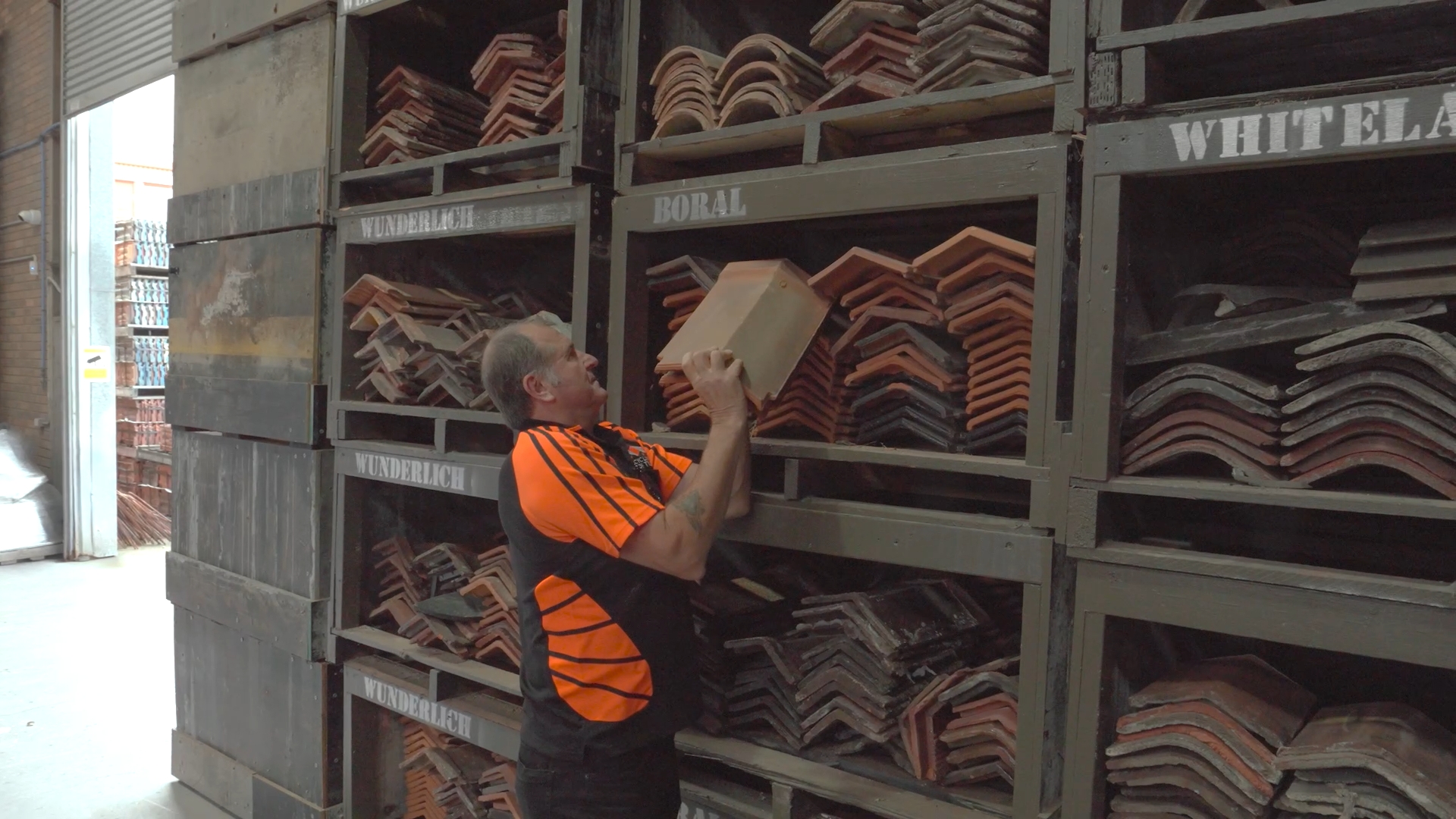
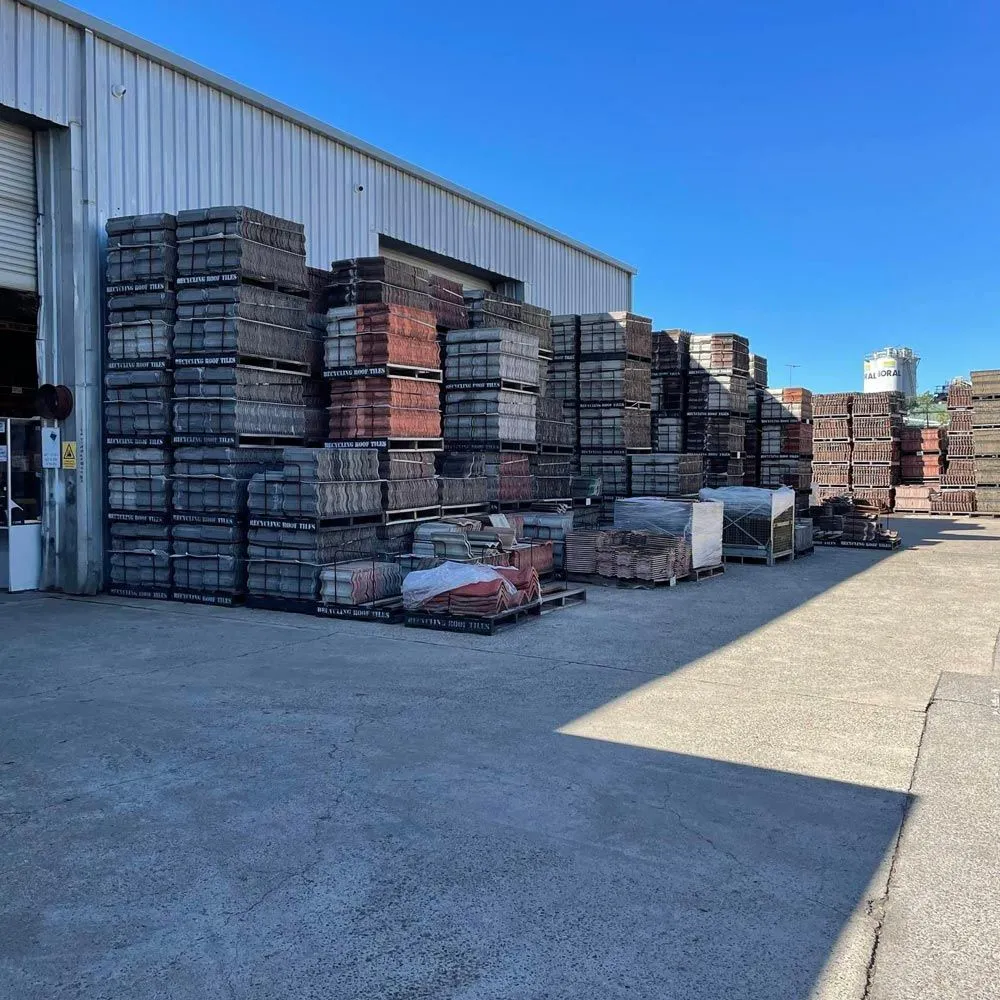
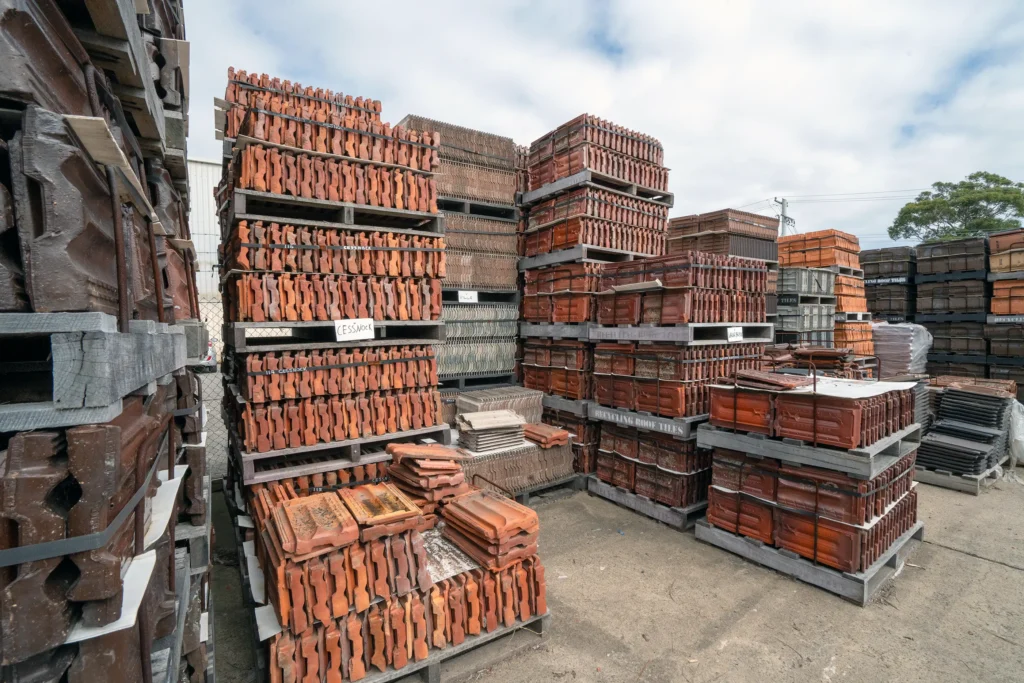
Recycling Roof Tiles stocks and sources field tiles as well as ridge caps, barge caps, starters, spoons, saddles and other older replacement roof tiles.
Why Silicone and Expanding Foam Are Usually Poor Repairs
Silicone can be useful in specific flashing and joint applications, but it should not be used as a universal repair for loose roof tiles.
A large bead of sealant can:
- Block the tile’s drainage channels
- Make the next repair more difficult
- Trap debris or moisture
- Hide a broken nib or failed fixing
- Bond the wrong parts of adjacent tiles together
- Separate when the roof moves
Expanding foam is even more problematic around interlocking tiles because it can lift tiles, obstruct drainage and make individual replacement difficult.
A roof tile is designed to shed water through its profile, laps and drainage channels. A repair should restore that system rather than fill every visible space.
A Replacement Tile Must Fit, Not Merely Cover the Hole
At the roof edge, a mismatched tile may sit higher than the surrounding row, fail to engage with the adjacent sidelock or place concentrated pressure on one corner. It may also leave an opening beneath the overlap, move during high winds or redirect water toward the bargeboard. These problems are why a tile should be identified by its profile and underside details, not merely by its colour.
How Much Does an Edge Tile Repair Cost?
A small roof tile repair in Australia commonly costs approximately $250 to $600, while work involving a larger area, difficult access or several related defects may cost $700 to $2,000 or more.
The replacement tile itself may be inexpensive. The greater cost often comes from:
- Safe access and setup
- Travel and inspection
- Removing bedded or pointed tiles
- Matching a discontinued profile
- Repairing support beneath the tile
- Rebuilding several connected verge tiles
- Scaffolding or edge protection
This is particularly true at the edge because the roofer may need to rebuild the detail around the damaged tile rather than slide one replacement into place.
See our complete roof tile repair cost guide for typical repair prices and the factors that can affect a roofing quote.
What Homeowners Can Check Safely From the Ground
Do not climb onto a tiled roof to diagnose the problem. Tiles can be slippery, and walking in the wrong place may break additional tiles.
From the ground, collect:
- A photograph showing the entire roof edge
- A closer image of the damaged section
- Photographs of any fallen tile or mortar pieces
- The location of internal staining or leaking
- The direction from which the worst rain normally arrives
- Photographs of an existing spare tile, including its underside
The wide photograph is important. A close-up may show the broken tile, but the wider image reveals whether the whole verge is moving, the eaves row is uneven or the damage aligns with a solar access path.
In NSW, roof tiling work above the applicable residential building threshold must be completed by an appropriately licensed contractor. Even where a small repair falls below that threshold, roof access and edge work should be handled by someone with suitable roofing and working-at-heights experience.
Get the Correct Replacement Before the Roof Is Opened
The fastest repair is not always the first tile that can be made to fit. It is the correct tile being available when the roofer begins work.
Recycling Roof Tiles has more than 40 years of industry experience and helps identify and source older concrete, cement and terracotta tiles across Sydney, Newcastle, the Central Coast, Hunter Valley and surrounding NSW areas.
Send clear photographs, measurements and any underside markings through our contact page or give us a call.
Frequently Asked Questions
Can I fix a loose edge tile with silicone?
Silicone should not be used as a substitute for the correct tile, support or fixing. It may hide the problem, obstruct drainage and make later replacement more difficult.
Why does mortar keep falling from the side of my roof?
Repeated mortar failure can indicate loose bedding, roof movement, a moving bargeboard, poor bonding or edge tiles that are not properly restrained. Adding another surface layer may not address the cause.
Why does my roof edge leak only during heavy wind?
Wind can drive rain sideways beneath a displaced verge or first-course tile. This type of leak may not appear during light vertical rain, which is why the direction of the storm is an important diagnostic clue.
Can a different roof tile profile be cut to fit the edge?
Occasionally a compatible tile can be professionally adapted, but appearance alone is not enough. The sidelock, nib position, width, thickness and drainage path must remain compatible. A recycled original profile is often the safer solution for older roofs.
Should one broken edge tile be replaced immediately?
Yes. An edge tile is more exposed than many field tiles, and a broken piece may allow water, wind or debris into the roof system. The surrounding support should also be checked to determine why it failed.