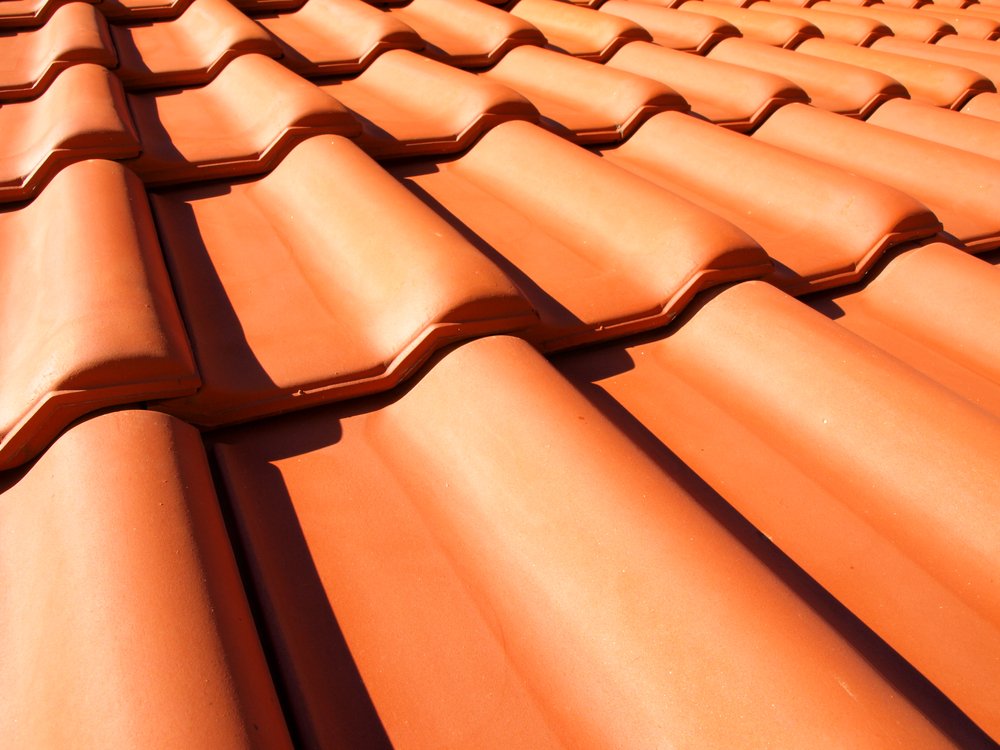
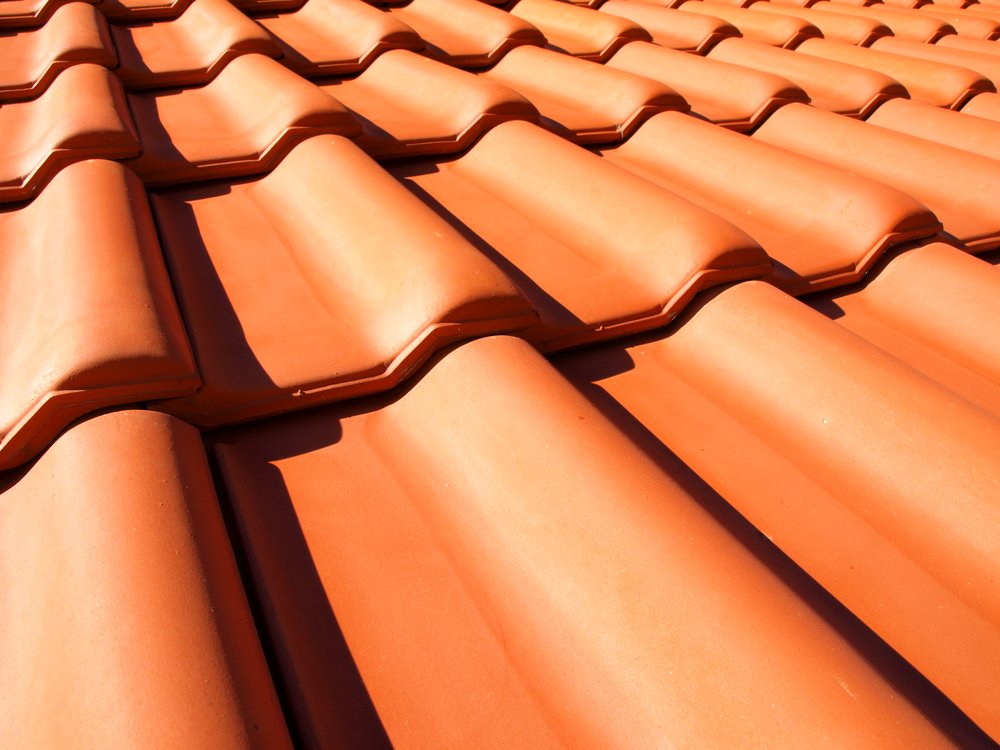
Are you wondering how to keep your terracotta roof tiles in top shape? Terracotta tiles, known for their timeless beauty and durability, can add a classic touch to any home. However, maintaining them is essential to ensure they remain structurally sound and attractive over time. Here are eight practical maintenance tips to help you care for your terracotta roof tiles effectively.
1. Regular Roof Inspections
To keep terracotta roof tiles in optimal condition, it’s important to inspect your roof twice a year, ideally in spring and autumn. Regular inspections help you spot any early signs of damage, such as cracks, chips, or loose tiles. You can perform a quick visual inspection from the ground, but for a closer look, consider hiring a professional to assess the roof’s condition safely.
Tip: After any major weather event, such as a storm or hail, inspect your terracotta tiles for any new signs of wear or damage.
2. Watch for Common Warning Signs
Terracotta tiles are tough but can be susceptible to certain types of wear. Watch out for visible cracks, discolouration, or areas where tiles appear loose or misaligned. These can be early signs of damage and may lead to leaks if left untreated. Checking for these signs regularly allows you to address any issues promptly, preventing more extensive damage.
Tip: A quick visual inspection after heavy rain can reveal water pooling or dripping from areas with potential issues.
3. Keep Your Roof Clean of Debris
Debris, such as leaves, twigs, and dirt, can accumulate on your roof, especially in valleys and gutters. This traps moisture against the tiles and increases the risk of moss and algae growth. Removing debris ensures that water can flow freely, preventing issues like water damage and tile deterioration.
Tip: Use a soft-bristled broom or a leaf blower to clear debris gently. Avoid pressure washing, as it can damage terracotta tiles.
4. Gentle Cleaning to Remove Moss and Algae
Terracotta tiles are prone to moss, algae, and lichen growth, particularly in damp or shaded areas. While these organisms aren’t immediately harmful, they can cause tiles to retain moisture, potentially leading to cracks and surface damage. Use a mild, tile-friendly cleaning solution to remove moss and algae without harming the tile’s natural surface.
Tip: Apply a 50:50 mixture of water and white vinegar to affected areas, then rinse with water. Avoid harsh chemicals or metal brushes that may damage the tile’s protective surface.
5. Apply a Protective Sealant
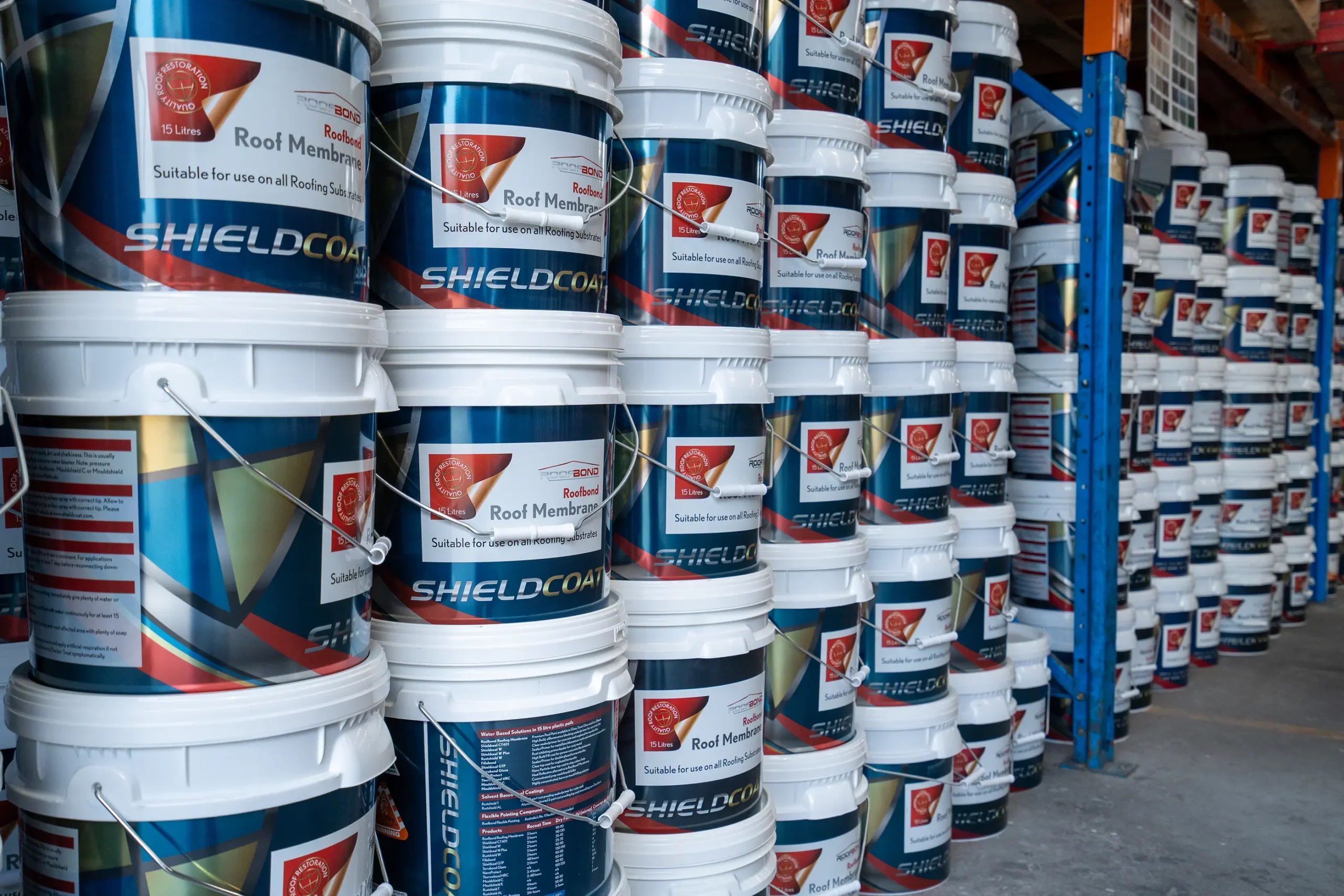
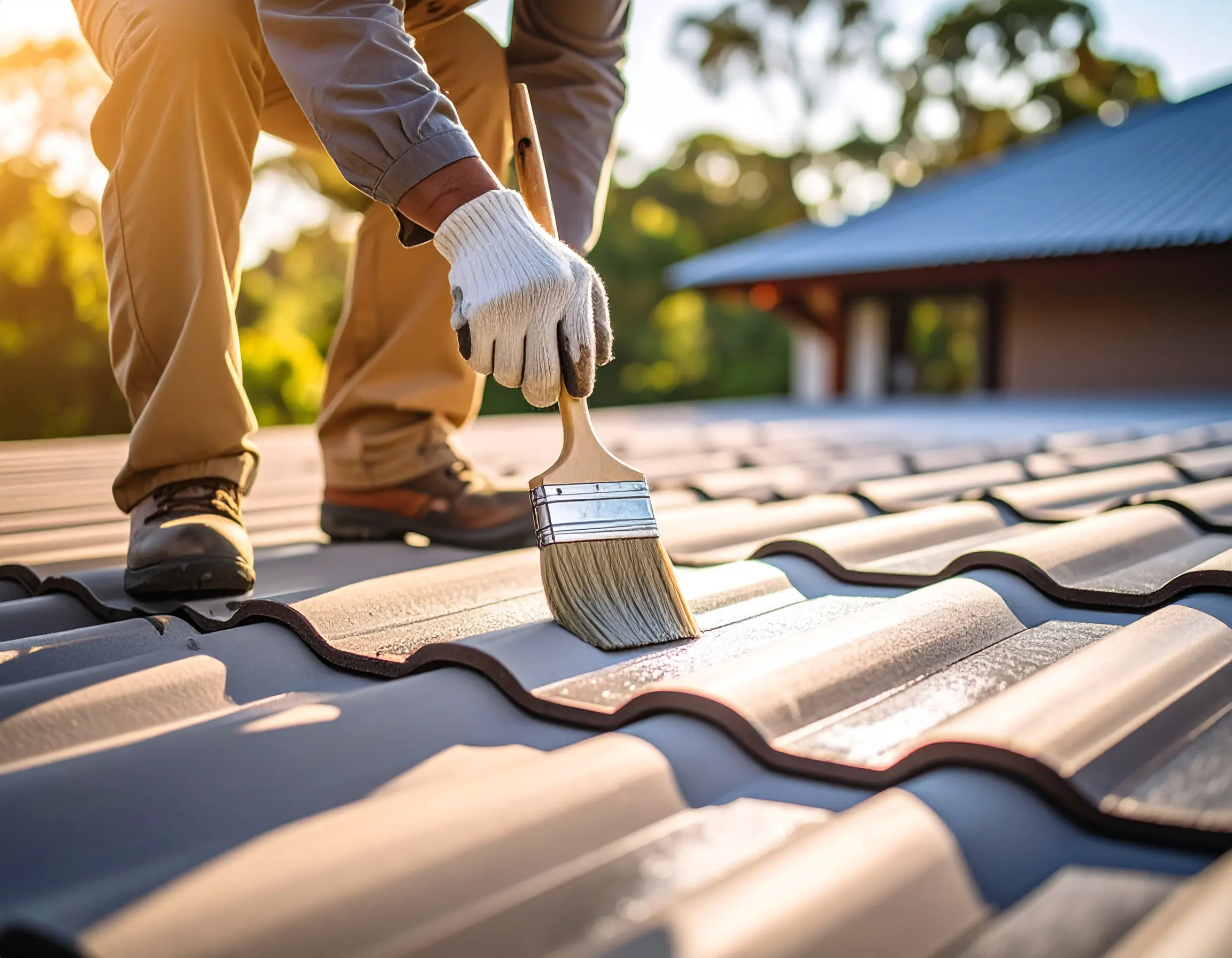
A high-quality sealant can add an extra layer of protection to terracotta tiles, enhancing their resistance to moisture, algae, and UV rays. Sealants help extend the life of your roof tiles and maintain their natural appearance. Choose a sealant specifically designed for terracotta roof tiles and apply it every few years, as recommended by your tile manufacturer or roofing expert.
Tip: Ensure the tiles are thoroughly cleaned and dry before applying the sealant to achieve an even, long-lasting finish.
6. Repair Minor Cracks & Chips Promptly
If you notice minor cracks or chips in your terracotta roof tiles, address them quickly to prevent further damage. Small cracks can often be repaired with a roofing adhesive or patch kit specifically designed for terracotta tiles. However, for more extensive damage, consider replacing the damaged tile to ensure the integrity of your roof.
Tip: Apply adhesive carefully, following product instructions, to create a watertight seal and prevent moisture from seeping into the tile.
7. Check Flashing & Gutter Systems
Flashing and gutters play a crucial role in diverting water away from your roof. Damaged or improperly sealed flashing around chimneys, vents, and skylights can lead to leaks and water damage, while clogged gutters can cause water to pool near roof edges. Regularly check these areas to ensure they are in good condition and clear of debris.
Tip: Keep gutters clean and repair any flashing damage promptly to support proper drainage and protect your terracotta tiles.
8. Hire a Professional for Regular Maintenance
While many maintenance tasks can be performed by homeowners, hiring a professional for periodic maintenance can provide added assurance. A professional roofer can safely clean, inspect, and maintain terracotta roof tiles, ensuring any issues are addressed early. Professional inspections are especially beneficial for those with terracotta roof tiles, as varying weather patterns may necessitate more frequent upkeep.
Tip: Schedule a professional maintenance check every 3-5 years to keep your terracotta roof tiles in peak condition.
Protect Your Terracotta Roof Tiles in Newcastle: Call Us Today!
Maintaining your terracotta roof tiles enhances your home’s beauty and safeguards its structural integrity. At Recycling Roof Tiles, we provide everything you need for terracotta roof care—from high-quality replacement tiles to expert advice on maintenance and restoration. Whether you’re dealing with terracotta roof tiles on the Sunshine Coast or simply looking for reliable guidance, our team is here to help. Visit our website to explore our selection and maintenance solutions to keep your roof looking its best year-round.