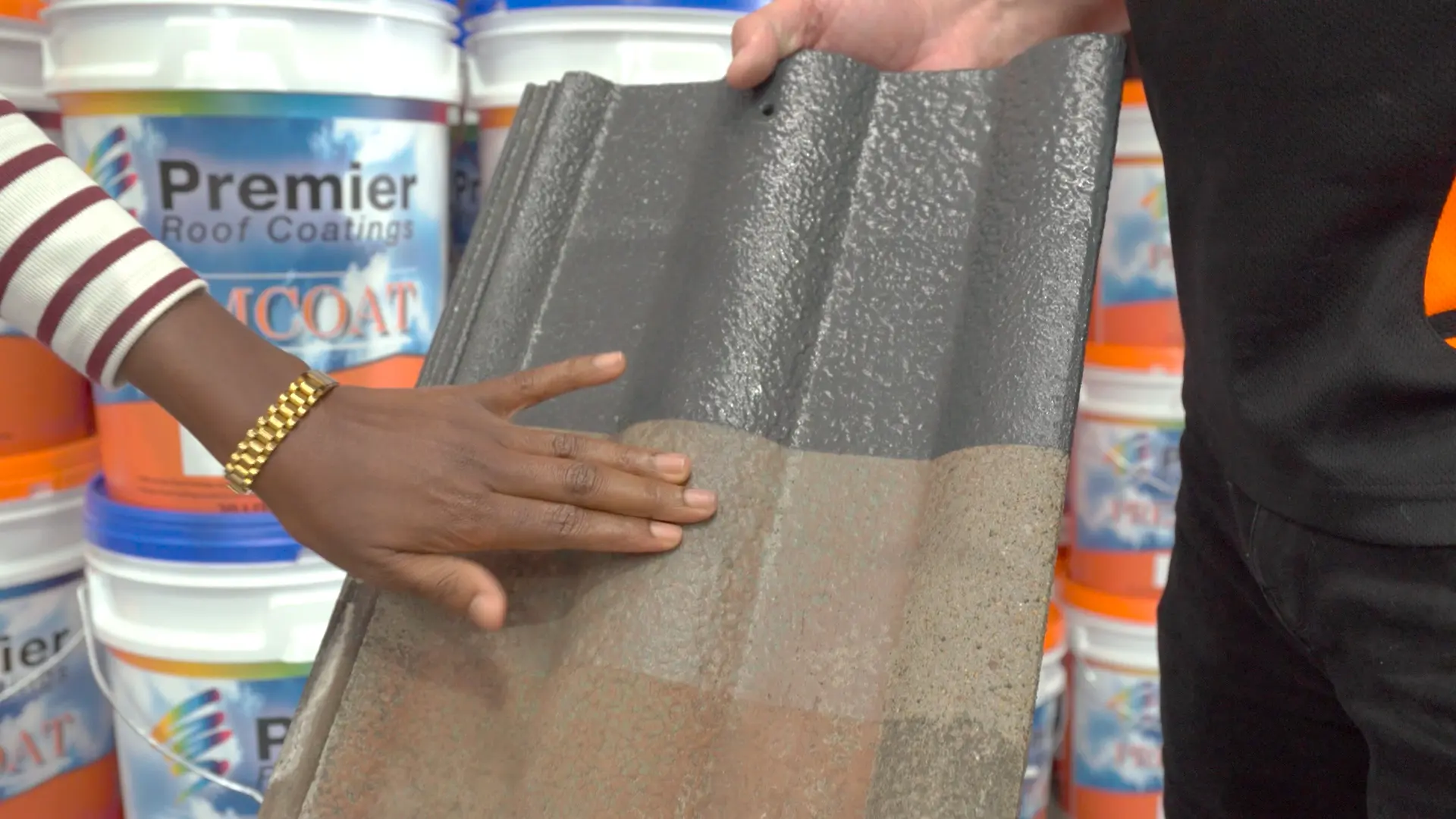

TILE MATCHING COMPARISON
A genuine matching profile and a near-match substitute can look almost identical from the ground and behave completely differently on the roof. The genuine match shares the same sidelock, water channel and cover width as the surrounding tiles, so it seats, drains and weathers the way the roof was designed to. A near-match substitute may only share the visual wave pattern, which is the one thing that has the least to do with whether a tile actually works.
This matters most on repairs, extensions and insurance patch jobs, where the new tiles sit permanently beside decades-old ones. On a full re-roof, the calculation changes. This guide covers both.
Once a tile is confirmed discontinued, most homeowners and even some tradespeople reach for whatever new tile looks closest. It is an understandable shortcut. New tiles are easier to order, come in consistent colour and are sitting on a supplier’s shelf right now. A genuine matching profile, sourced second-hand, takes more effort to find.
The problem is that “looks closest” and “fits correctly” are not the same test, and the gap between them only shows up after the tiles are on the roof.
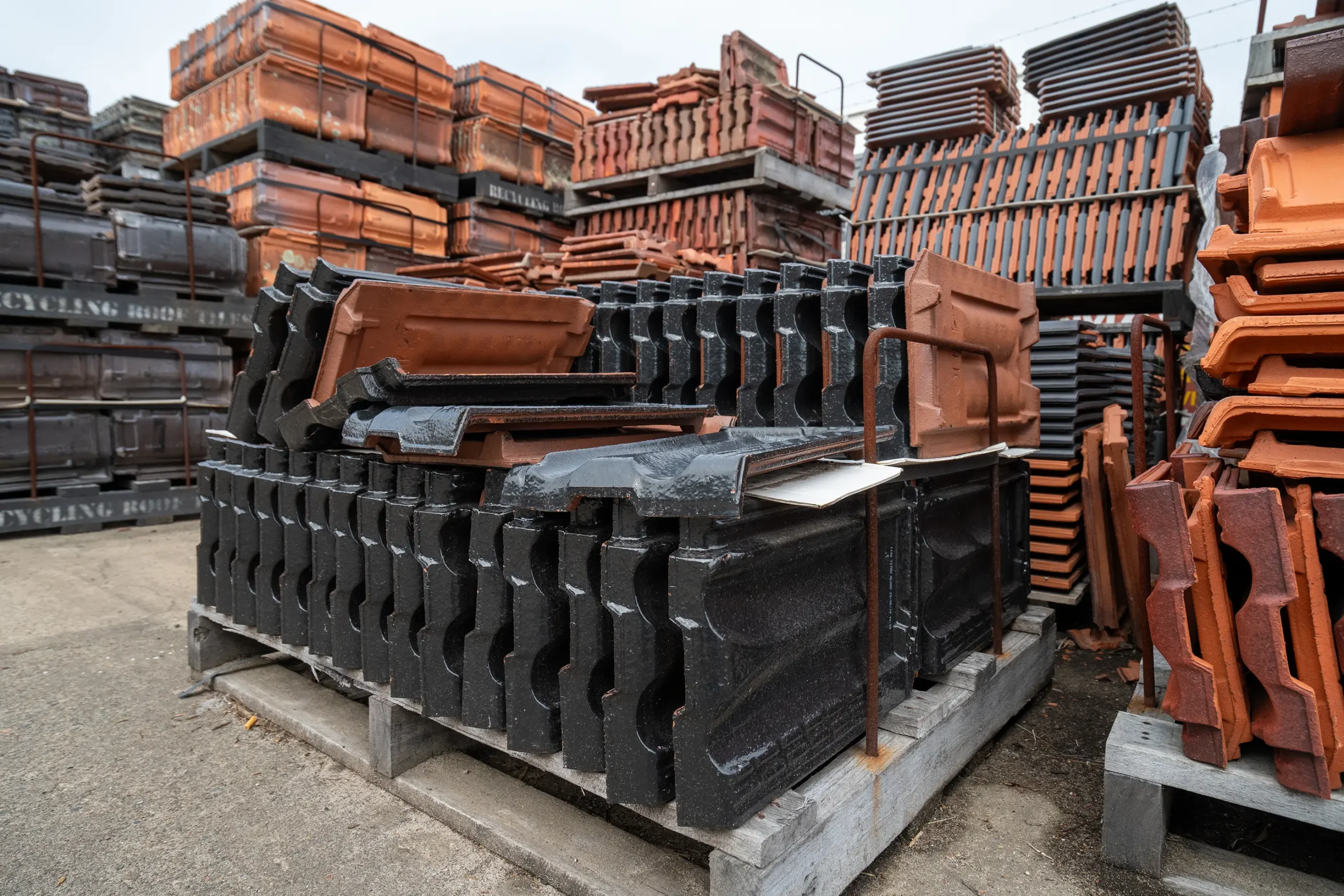
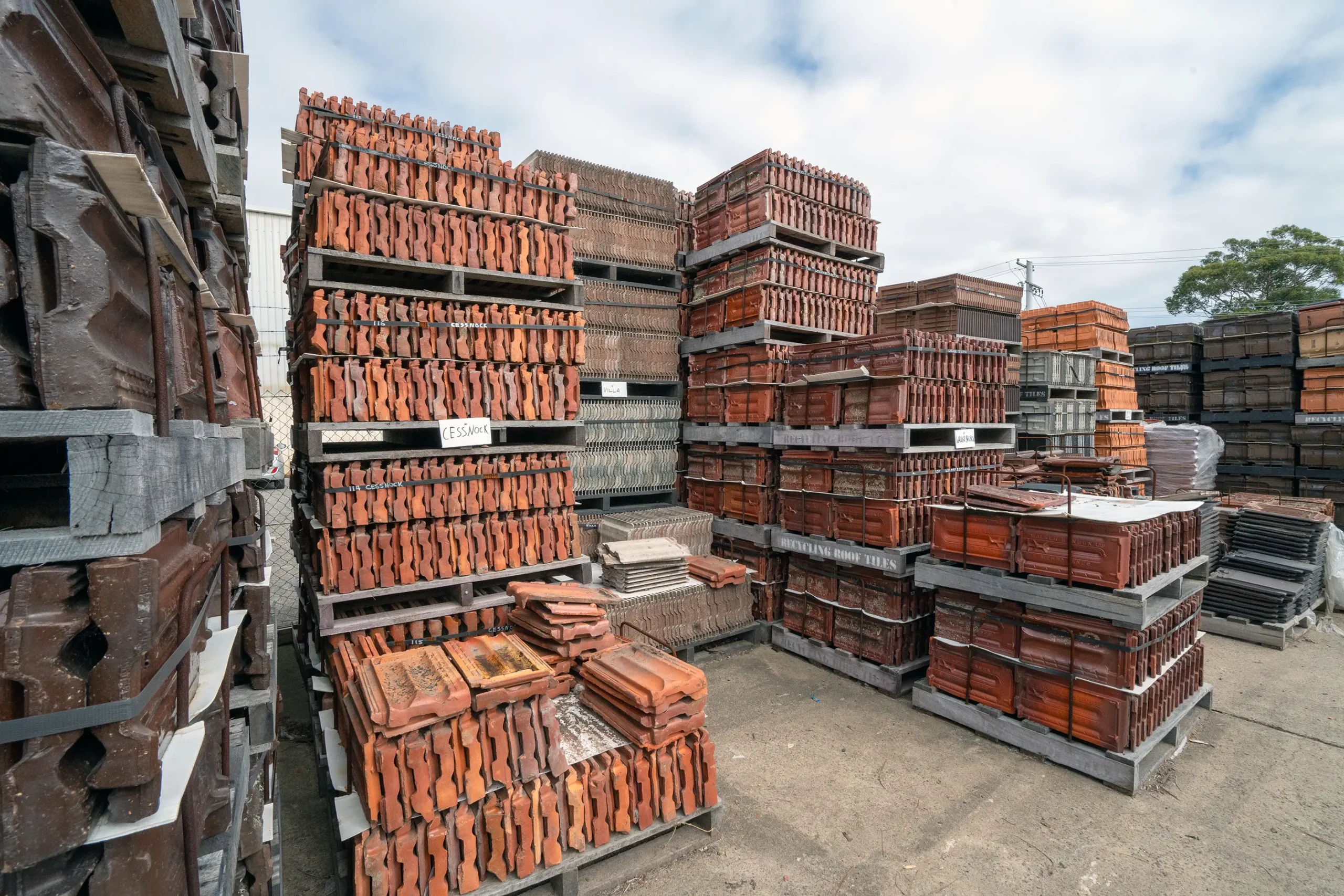
Recycling Roof Tiles supplies recycled cement roof tiles and terracotta roof tiles across NSW, including a wide range of discontinued profiles. This guide sets out how a genuine match and a near-match substitute actually compare, so the decision can be made with the trade-offs in view rather than by eye from the ground.
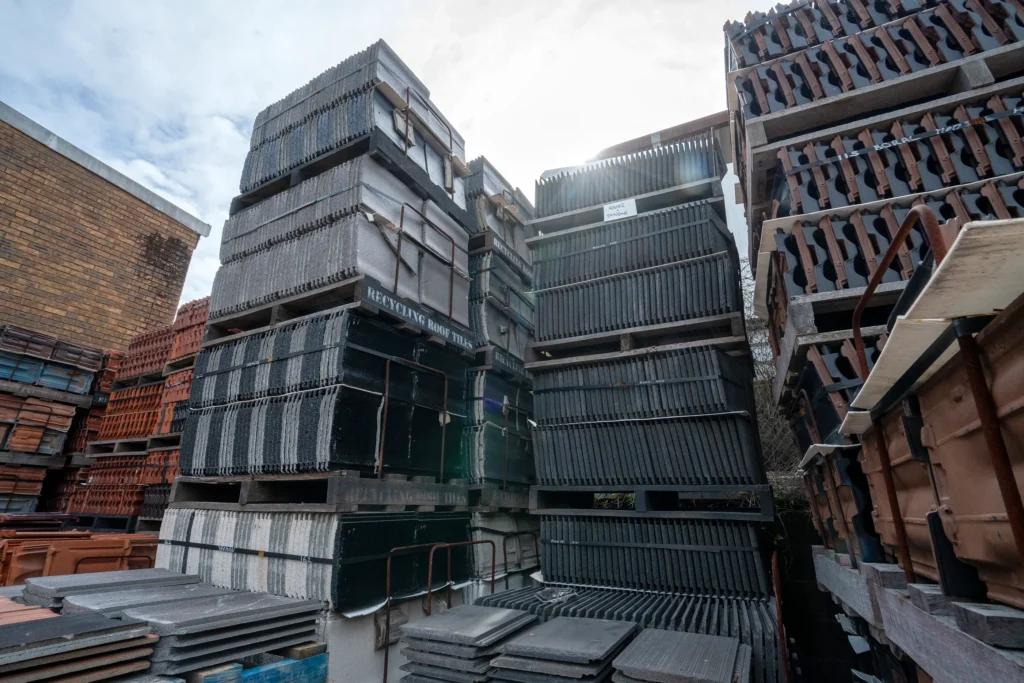
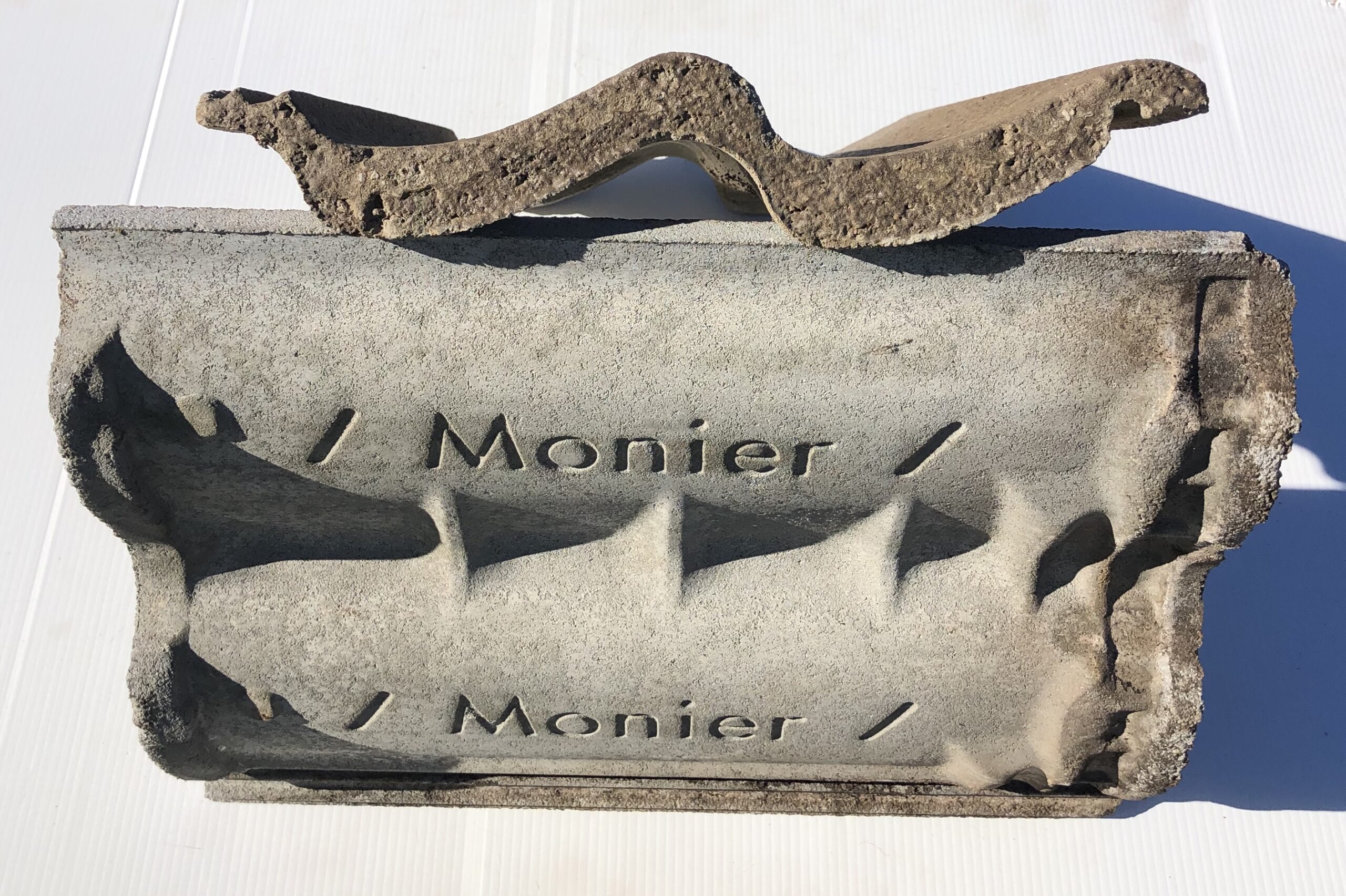
Two tiles can share the same wave pattern from above and still use a different sidelock, nib position or water channel underneath.
QUICK ANSWER
Genuine Match or Near-Match Substitute: Which Should You Use?
A genuine matching profile is almost always the right call for a repair, patch job or extension tie-in, because it shares the physical dimensions that make a tile seat, interlock and drain correctly next to the existing field.
A near-match substitute becomes a reasonable option only when the whole roof is being reset at once, such as a full re-roof, where every tile is new and there is no ageing field to sit beside. Mixed into an otherwise original roof, a substitute is a fixed, visible compromise rather than a repair.
Why “Looks the Same” Is the Wrong Test
Roof tiles interlock. The visible top surface, the part everyone judges a match by, carries the profile’s wave or flat pattern and its colour. Underneath, out of sight once the tile is laid, sits the part that actually determines whether it works: the sidelock, the nib position, the water channel depth and the cover width.
Two tiles from the same manufacturer, made a decade apart, can differ in cover width by several millimetres. That is a small number on its own. Multiplied across a roof slope of forty or fifty courses, a few millimetres of tolerance per tile compounds into visible misalignment, uneven coursing and water tracking along the tile-to-tile joints.
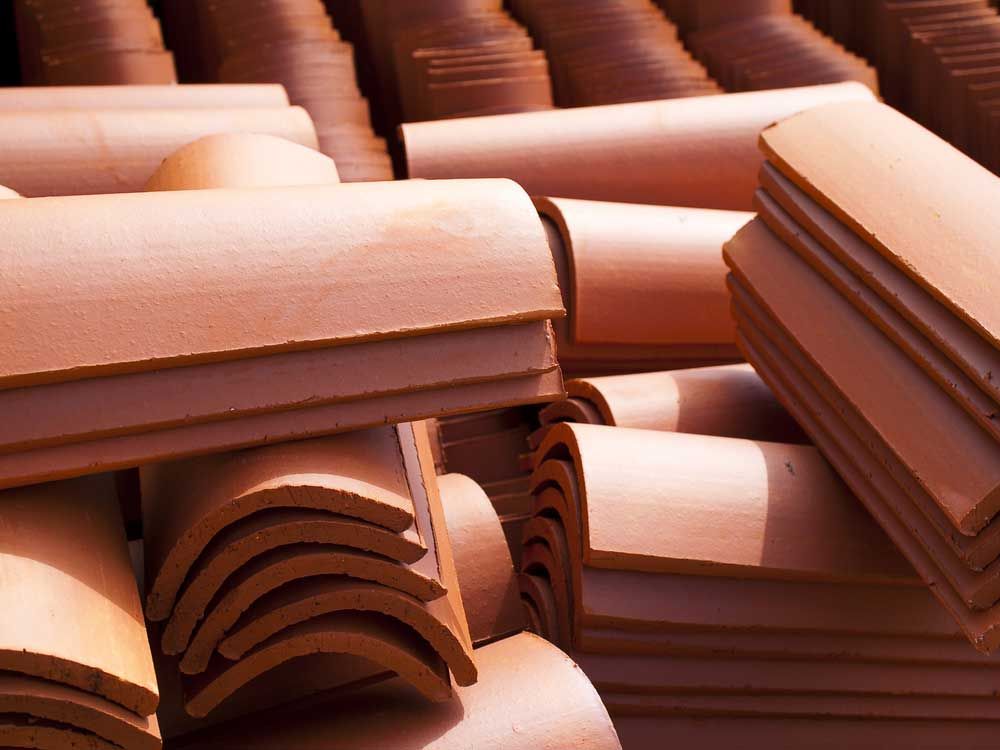
This is also why colour is not a reliable way to judge a match. Concrete tiles fade under UV exposure over roughly five to fifteen years, so a new tile placed beside a fifteen-year-old field reads as an obvious block of colour even when the profile is correct. Terracotta keeps its fired colour but develops surface lichen and tonal depth over decades that a new tile cannot replicate. In both cases, profile and generation matter more than the colour swatch.
For the physical checks that separate a genuine match from a lookalike, see our guide to identifying old roof tiles in NSW.
Profiles That Look Alike but Are Not Interchangeable
This is easier to see with real profiles than in the abstract. Monier alone has produced multiple concrete tiles with a similar low, flat aesthetic, including the Horizon and the Homestead, and older ranges such as Reliance produced flat and curved profiles like the Bolero that can be mistaken for one another from the ground.
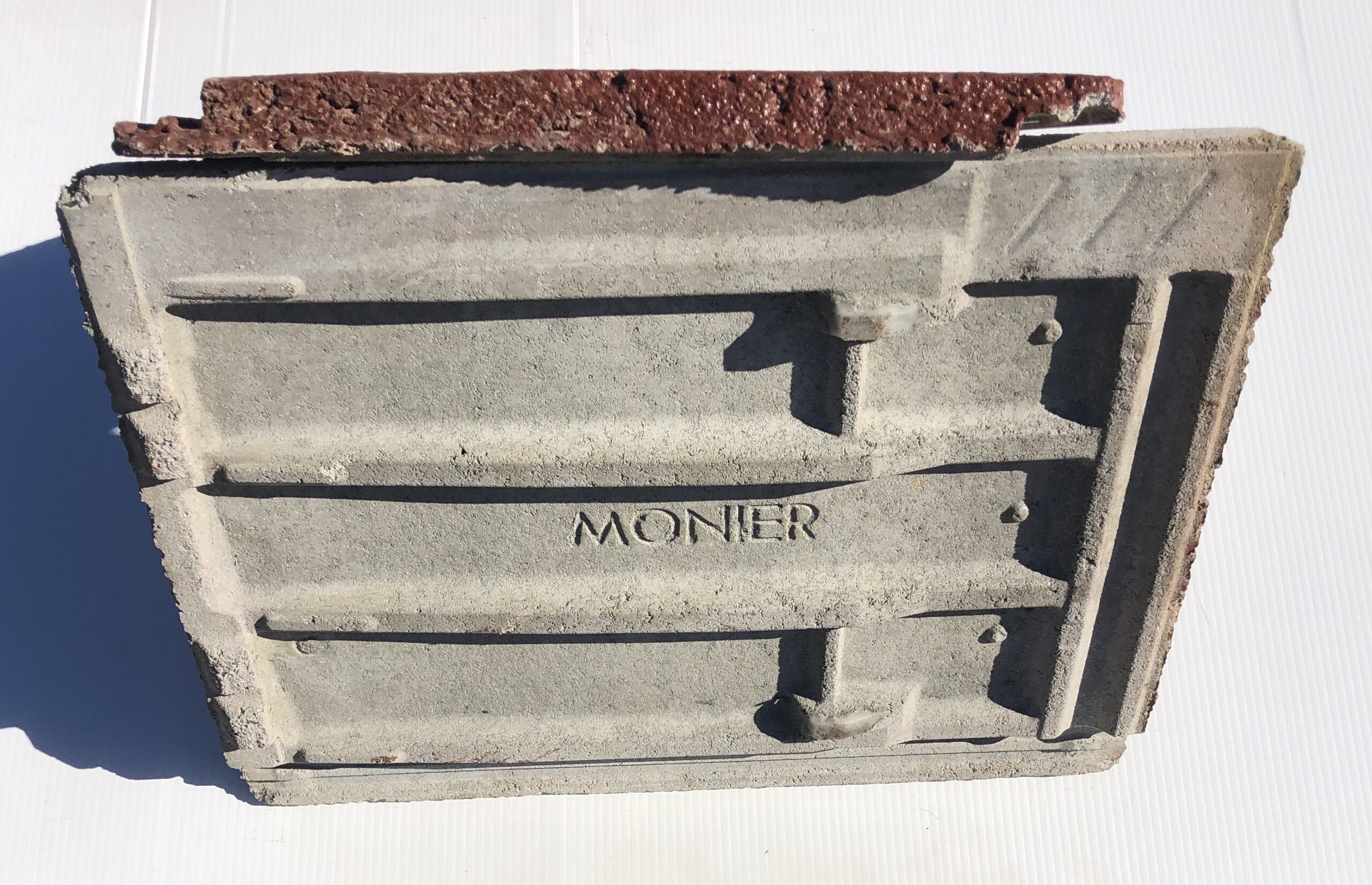
Monier Horizon
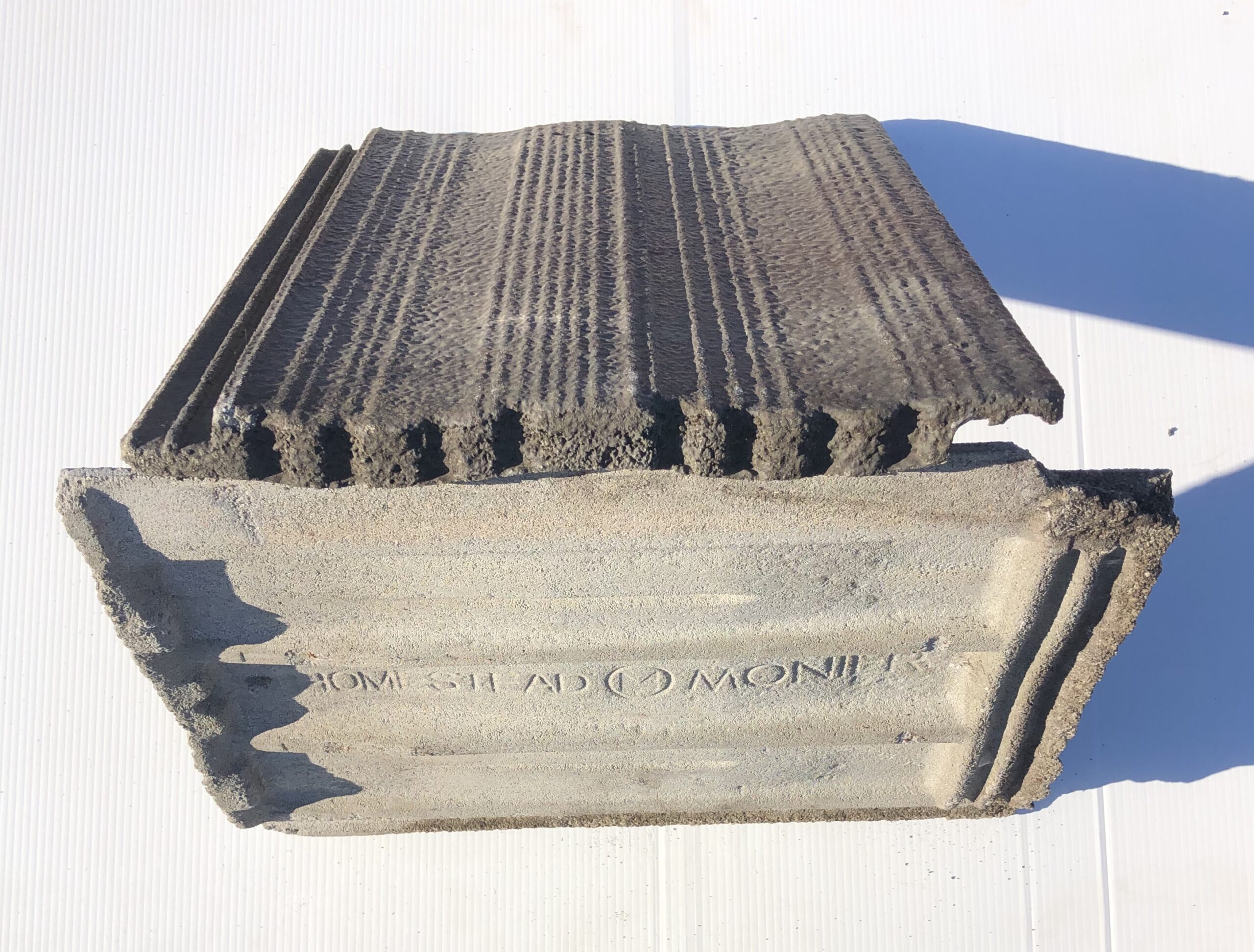
Monier Homestead
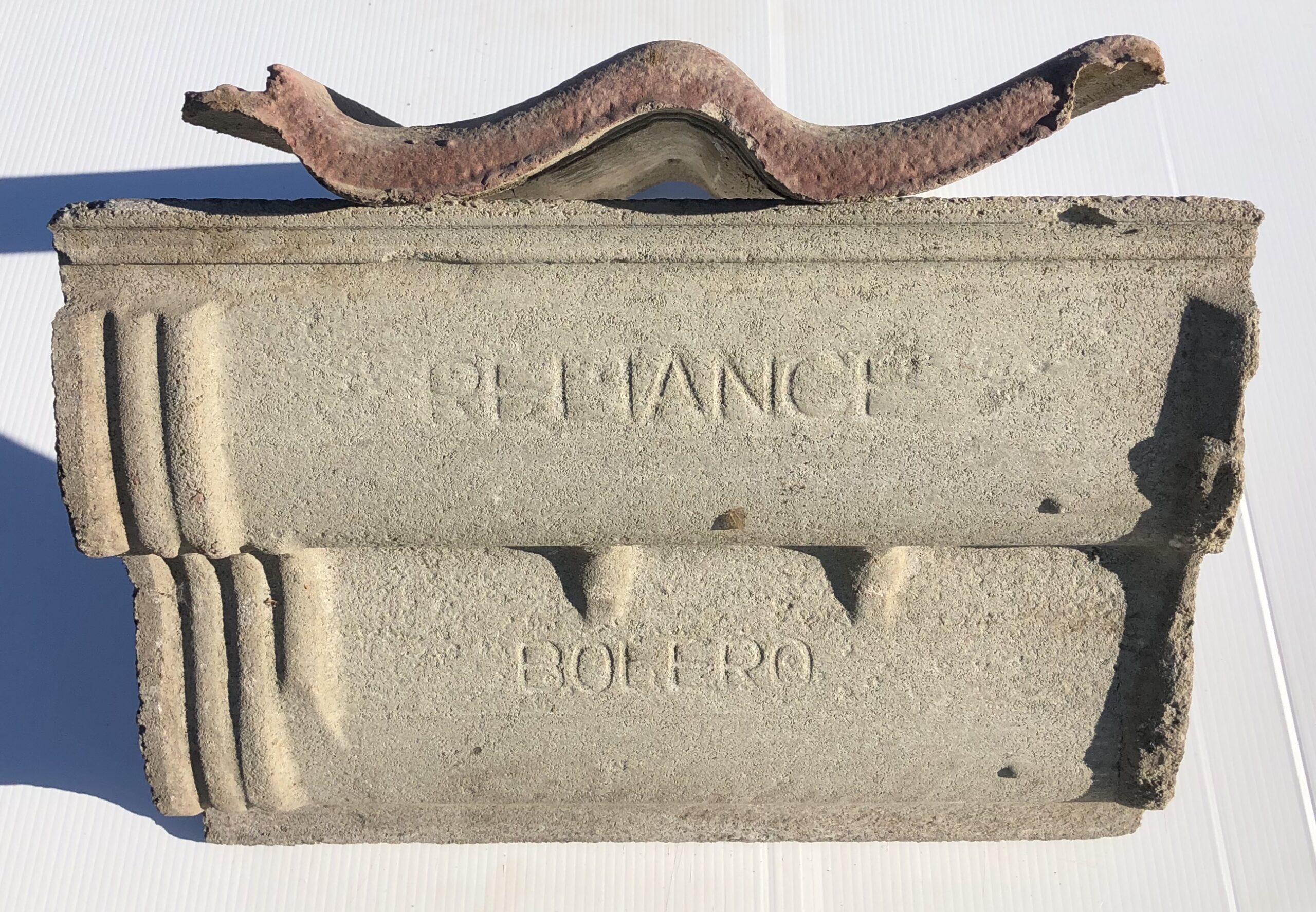
Reliance Bolero
Photographed side by side, the family resemblance is obvious. Laid on a batten, the resemblance stops mattering. Each of these profiles carries its own sidelock geometry and cover width, so a Horizon tile does not sit correctly among Homestead tiles even though both are Monier products with a similarly flat, low profile. This is the practical reason a manufacturer name alone is not enough to confirm a match. The specific profile name has to be confirmed as well.
Genuine Match vs Near-Match Substitute, Side by Side
| What matters | Genuine matching profile | Near-match substitute |
|---|---|---|
| Sidelock and interlock fit | Matches the surrounding tiles exactly | Often does not align, even when the top surface looks similar |
| Water channel and drainage | Sheds water the way the roof was designed to | Mismatched channel depth can cause water tracking at the joint |
| Batten spacing | No rework needed | May need re-battening or packing to sit correctly |
| Coursing and roof line | Consistent across the slope | A few millimetres of cover-width difference compounds into a visible step over a full course run |
| Colour and weathering | Close if aged stock from a similar era is sourced | New tile colour reads as an obvious block against a weathered field |
| Availability | Depends on recycled stock on hand, this is where a specialist supplier matters | Usually in stock at any general supplier |
| Best suited to | Repairs, patch jobs, extension tie-ins, insurance work on part of a roof | A full re-roof where every tile is being replaced at once |
When a Near-Match Substitute Genuinely Is Fine
It would be dishonest to present this as a genuine match every time, no exceptions. There is a real situation where a near-match substitute is a sensible choice rather than a compromise: a full re-roof, where the entire tiled surface is being replaced in one job.
On a full re-roof there is no ageing field for a new tile to sit beside. Every tile on the roof is new, laid at the same time, from the same batch. The coursing resets uniformly across the whole surface, so the profile-fit and colour problems that affect a partial repair simply do not apply in the same way. This is the one case where choosing on appearance and current availability, rather than matching an old profile exactly, is a reasonable and common approach.
Where a Near-Match Substitute Causes Real Problems
The cases where the difference matters are the ones roofers see most often:
- a patch repair after storm damage or a cracked tile, where the new tile sits directly beside original stock
- an extension tie-in, where the join between old and new roofline is permanently visible from the street
- an insurance repair covering part of a roof, where the untouched sections stay as the reference point
- solar installation damage, where a handful of tiles need replacing on an otherwise original roof
In each of these, the substitute tile is not resetting the whole roof. It is being inserted into a roof that already has an established profile, coursing and colour, and it either fits that system or it does not.
A practical middle ground: when recycled stock holds a close but not identical match, some roofers move intact original tiles from a low-visibility part of the roof, a rear slope, a garage section or a side elevation, into the repair area, and place the close-match tiles in the low-visibility zone instead. The visible join carries the true match. The near-match sits where it will not be noticed. This only works when the relocated tiles come from the same roof and the same weathering history, so it is worth discussing with whoever supplies your replacement tiles before the job starts.
What a Mismatched Profile Actually Costs Later
A near-match substitute is often cheaper per tile and easier to get hold of quickly. That is a genuine advantage, and it is worth naming honestly rather than pretending recycled tiles always win on price. The cost comparison changes, however, once rework is factored in.
If a substitute does not seat correctly, the practical fixes are packing under the tile, adjusting batten spacing, or accepting a visible step in the roof line. Any of those adds labour that was not part of the original quote. A tile that seats correctly the first time avoids that cost entirely, and avoids the harder-to-price cost of a leak that shows up months later at a joint that never quite closed.
Australian roof tile installation is governed by AS 2050:2018, and correct headlap and interlock are part of what the standard covers. The Housing Industry Association’s overview of AS 2050:2018 confirms that the standard sets requirements for how tiles are placed and installed, which is the technical basis for why a tile has to physically fit, not just visually resemble, the tiles around it.
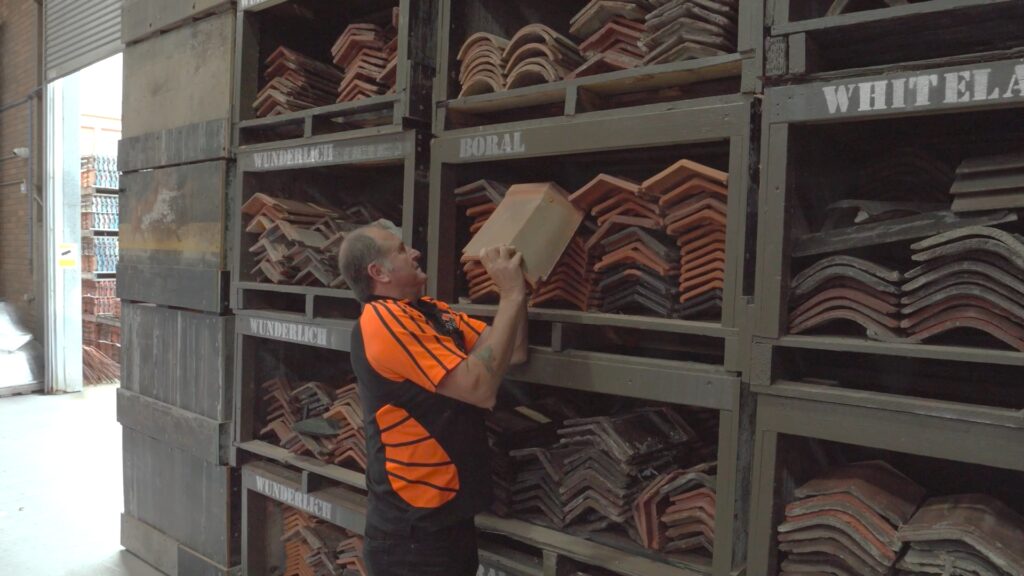
Checking the underside markings and interlock, not just the top surface, is what confirms whether a tile is a genuine match.
How Many Extra Tiles to Source
Whichever path is chosen, order more than the exact number of damaged tiles. A reasonable allowance covers breakage during handling and installation, plus a small spare stock kept aside for future repairs.
This matters more for a genuine match than a substitute. Once a discontinued profile is sourced and the job is finished, the same profile in the same colour generation cannot be guaranteed to be available again later. A stored reserve from the same sourcing run means a future cracked tile does not restart the identification and matching process from scratch.
The Decision, Simplified
Ask two questions before choosing.
Is this a full re-roof, or a repair, patch or extension on an otherwise original roof? A full re-roof resets the whole surface, so a substitute is a reasonable choice. Anything less than a full re-roof means new tiles are sitting beside old ones, which is where profile and colour mismatches become permanent and visible.
Has the profile actually been confirmed as discontinued, or does it just look unfamiliar? Not every older tile is unobtainable. Sending clear photos to a specialist supplier before assuming a substitute is the only option can save both the cost and the compromise.
Before choosing a substitute, confirm:
- whether the job is a full re-roof or a repair on an otherwise original roof;
- the tile material, manufacturer and profile, not just the colour;
- the sidelock, nib position and water channel, not only the top-surface pattern;
- whether recycled stock from the same era is available before defaulting to new;
- how many spare tiles to keep aside for future repairs to the same roof.
Genuine Match vs Substitute FAQs
Can I just use a new tile that looks close to my old one?
You can, but on a repair, patch job or extension it usually creates a visible and sometimes functional mismatch. The top surface may look similar while the sidelock, nib position, water channel and cover width differ, which can affect how the tile seats and drains. A new lookalike is a reasonable choice mainly on a full re-roof, where the whole surface is being replaced at once.
What happens if the tile profile does not match?
Even a small difference in cover width, sidelock or water channel depth can prevent a tile from seating correctly, creating gaps that allow water tracking or leaks at the joint. Over an entire roof slope, small tolerance differences between tiles can compound into visible misalignment and an uneven roof line.
Why does colour matter less than profile when matching a tile?
Colour is the easiest thing to compare by eye, but it is not what determines whether a tile fits and functions. A tile can be the wrong profile in the correct colour, or the right profile with different weathering. Profile and generation should be confirmed first. Colour and weathering are then matched as closely as possible within that correct profile.
Is it cheaper to use a new substitute tile than a genuine recycled match?
The tile itself is often cheaper and more readily available. That advantage can be reduced or reversed if the substitute needs packing, re-battening or other rework to seat correctly, or if a mismatch leads to a leak that needs repairing later. A genuine match that fits the first time avoids that additional cost.
What if a genuine matching profile cannot be found at all?
If a specialist supplier cannot locate an exact profile match, a close reclaimed alternative from the same era is generally preferable to a brand-new lookalike. Placing the closest available tiles in a less visible section of the roof, and moving intact original tiles to the most visible repair area, can also manage the outcome without a new-tile colour block appearing at the join.
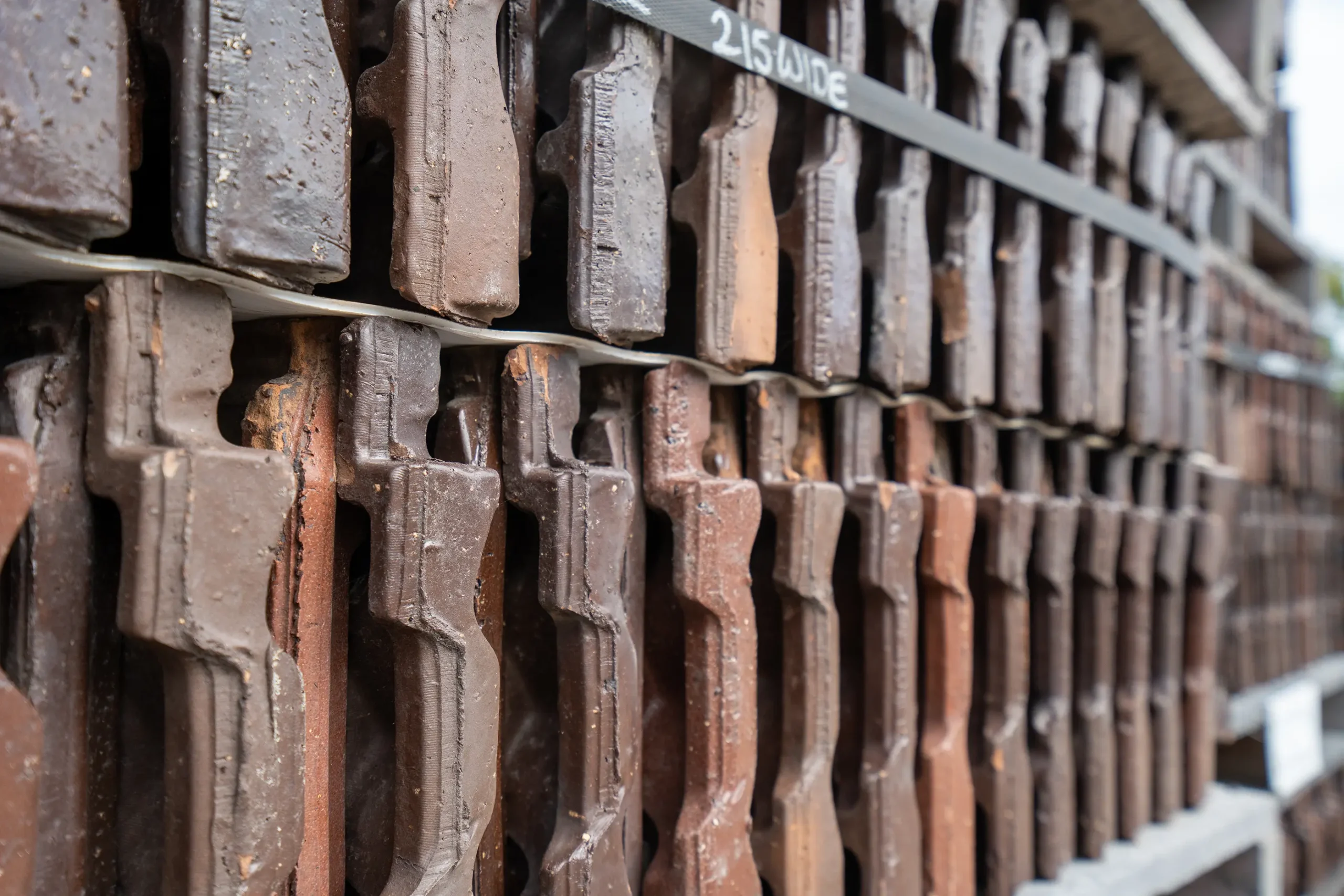
A specialist supplier can usually locate a genuine matching profile before a repair defaults to a new-tile substitute.
MATCHING A REPAIR OR EXTENSION?
Check for a Genuine Match Before Settling for a Substitute
Before defaulting to a new lookalike tile, send us clear photos of the tile face, underside, side profile and any manufacturer markings. Our team can check whether a genuine matching profile is available from our recycled stock across cement and terracotta tiles.
Recycling Roof Tiles sources and matches discontinued profiles for repairs, extensions and restorations across Sydney, Newcastle and the Central Coast.
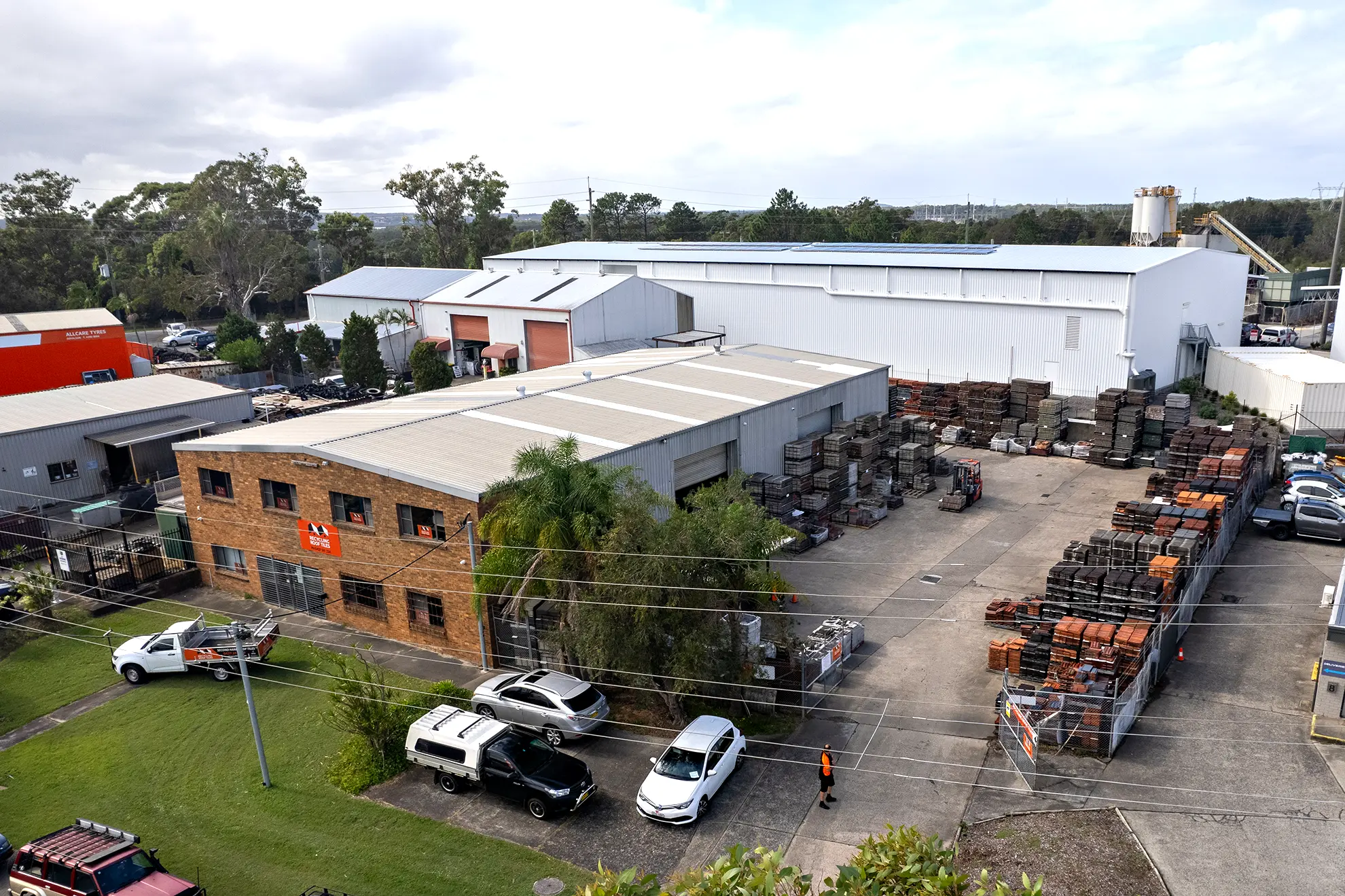
Recycling Roof Tiles carries recycled concrete and terracotta tiles sorted by profile from its Doyalson yard, supporting genuine matches for repair and restoration work across NSW.