Choosing roof tiles is not just a visual decision.
It affects your home’s weather resistance, long-term maintenance costs, insurance outcomes, and resale value.
For many Australian homeowners, builders, and renovators, recycled roof tiles have become a practical solution, particularly for repairing older roofs or matching discontinued profiles.
This guide explains how recycled roof tiles work in Australia, how long they last, what types are available, how to choose the right option for your roof, and how to avoid costly mistakes later.
If you are planning a repair, renovation, or tile replacement and want advice specific to your roof, you can contact Recycling Roof Tiles at any stage. A clear photo and your location are often enough to identify the correct tile or the closest match.
What Are Recycled Roof Tiles?
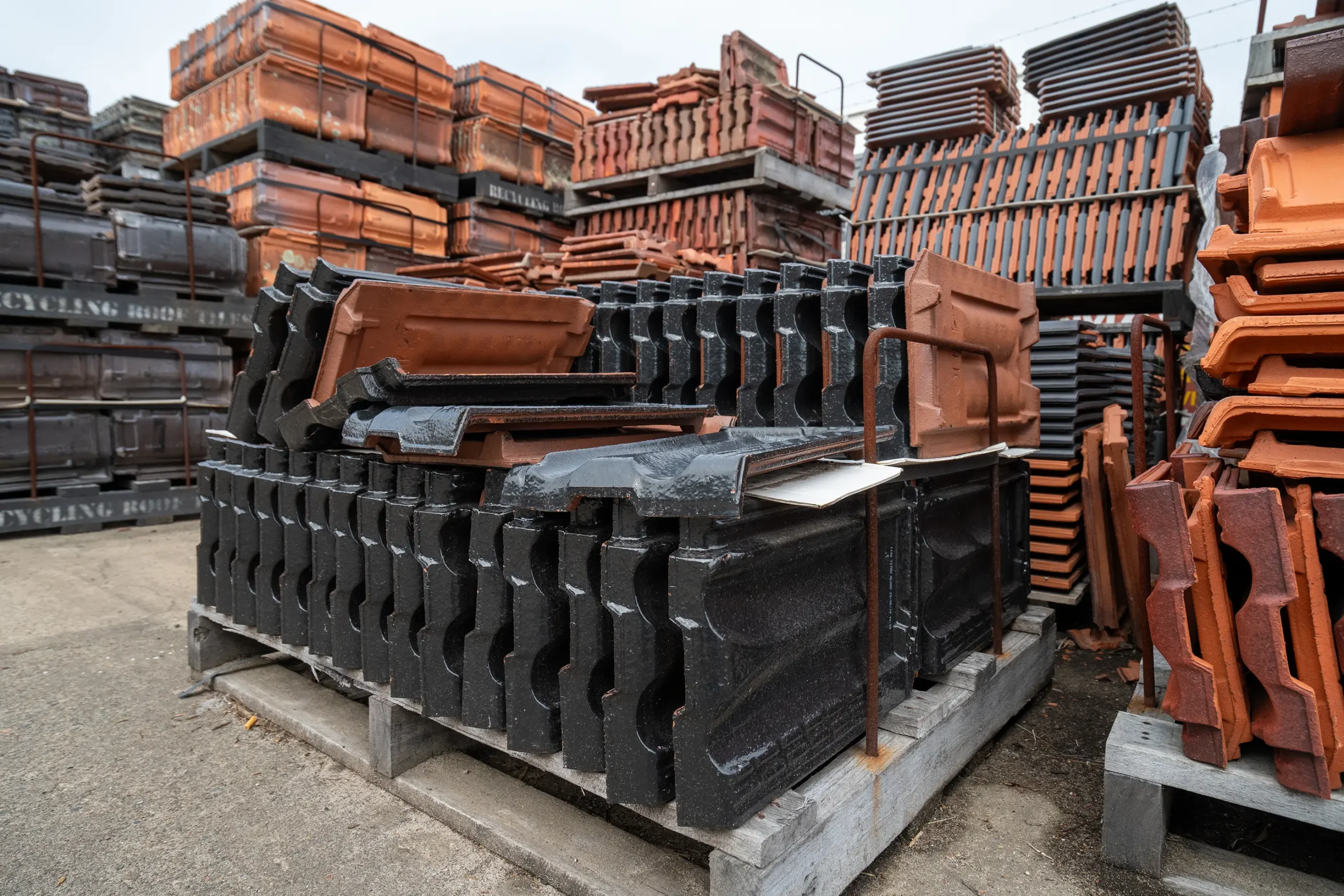
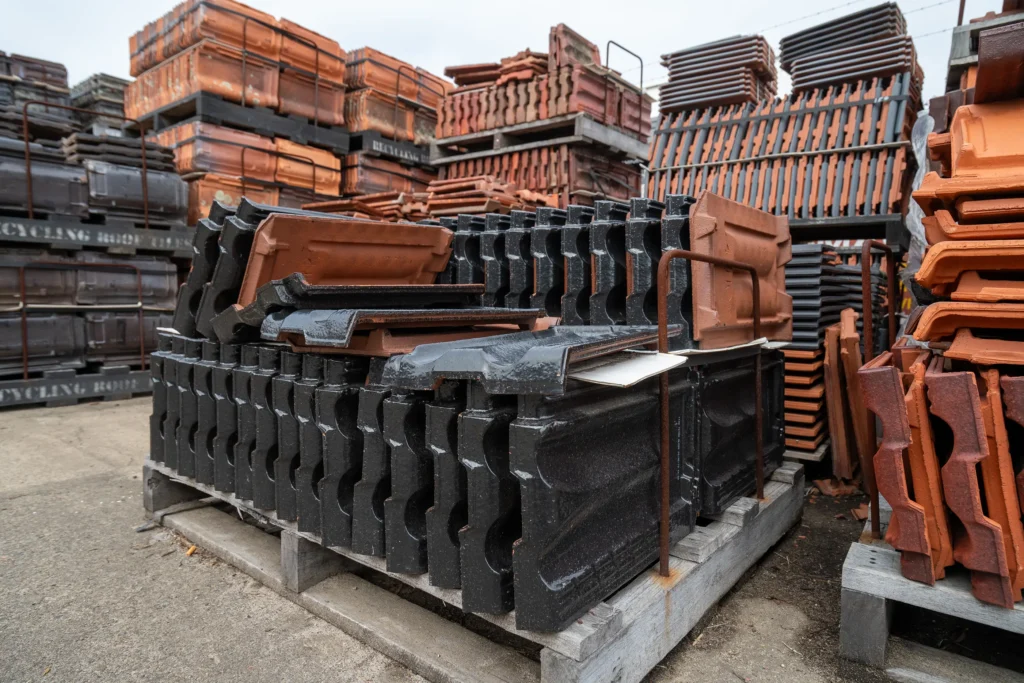
Recycled roof tiles are tiles salvaged from reroofing and demolition projects that remain structurally sound and suitable for reuse. Across Australia, large volumes of roof tiles are removed each year during renovations and rebuilds. Industry waste audits show that masonry materials, including roof tiles, account for more than 30% of construction and demolition waste by weight, much of which is reusable.
Rather than being crushed or sent to landfill, reusable tiles are sorted, inspected, and resupplied for residential and light-commercial roofing projects.
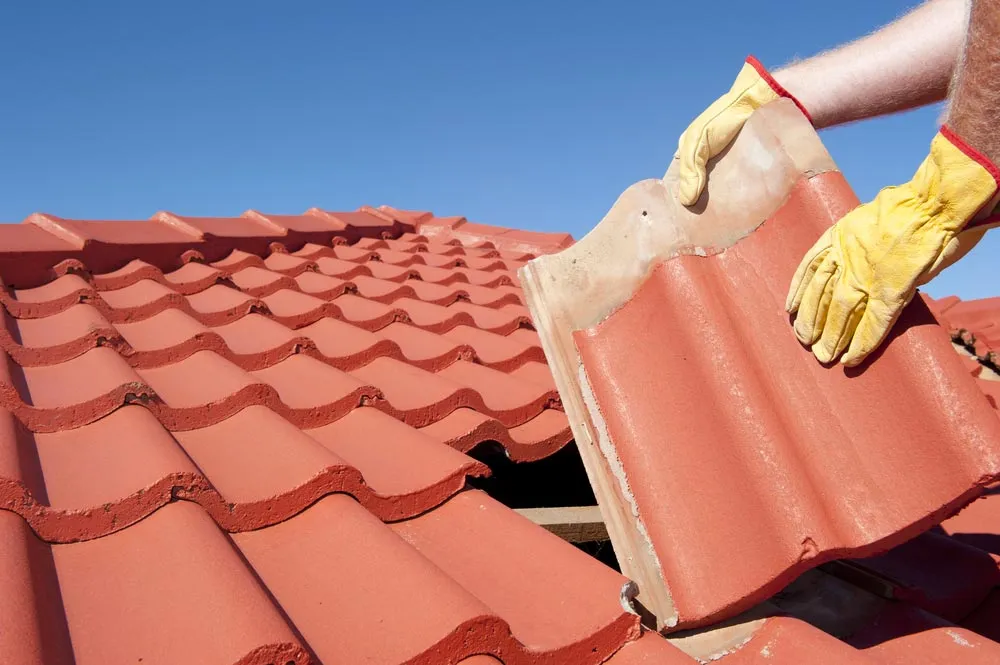
Recycled tiles are commonly used when homeowners need to replace broken tiles, repair storm damage, extend an existing roof, or match tiles that are no longer manufactured. In many cases, recycled tiles are not just a cheaper option. They are the only realistic solution.
Why Recycled Roof Tiles Are Growing in Popularity
Australia has one of the highest renovation rates in the developed world. Housing data consistently show that more than 40% of detached homes undergo renovation within a 10-year period. Many of these projects involve roofing upgrades, solar installation, or structural changes that disturb existing tiles.
At the same time, manufacturers regularly discontinue tile profiles and colours. A roof installed fifteen to thirty years ago may use a tile that is no longer produced. This combination has made recycled tiles essential, particularly across New South Wales, where many homes were built between the nineteen seventies and early 2000s.
How Long Do Recycled Roof Tiles Last?
Roof tiles usually outlast the materials beneath them. Most failures are caused by poor installation, damaged pointing, broken underlay, or foot traffic, rather than tile age.
Building durability studies in Australia indicate that concrete roof tiles commonly last forty to fifty years. Terracotta roof tiles typically last more than 60 years. Clay and slate tiles on older homes can last much longer when installed correctly.
Most tiles removed for recycling are taken from roofs being redesigned or upgraded, not because the tiles themselves have failed. When a recycled tile is structurally sound and installed correctly, its remaining service life is often measured in decades.
Types of Recycled Roof Tiles Available in Australia
Cement roof tiles are the most common. They are strong, affordable, and widely used across Australian housing. Colour fading is normal over time, making recycled concrete tiles ideal for matching existing roofs, where new tiles would appear noticeably brighter.
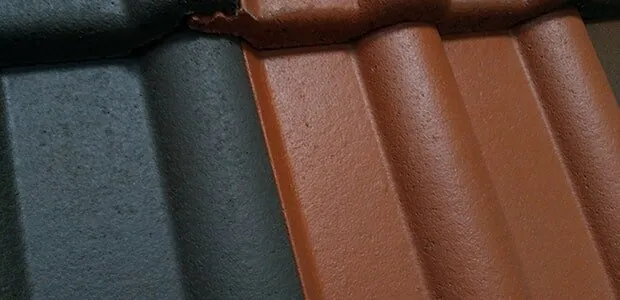
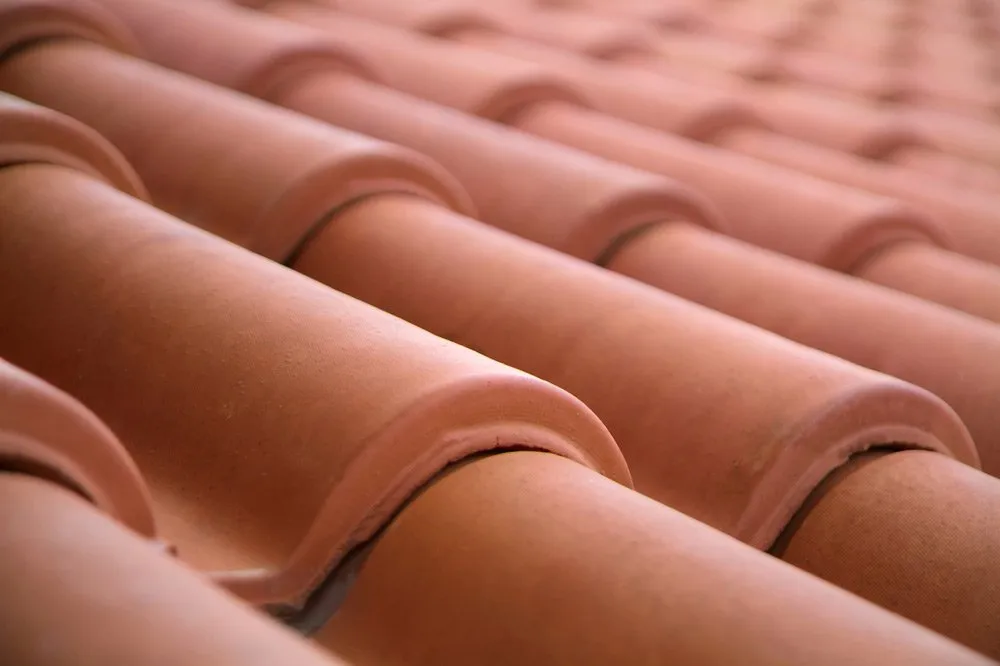
Terracotta roof tiles are kiln-fired clay tiles known for durability and colour stability. Because the colour runs through the body of the tile, older terracotta often blends better with existing roofs than newly manufactured tiles.
Clay roof tiles are similar to terracotta but vary in density and finish depending on the manufacturer and production period. Many older clay profiles are no longer produced, making recycled supply essential.
Slate roof tiles appear less frequently but are sometimes recovered from older properties. Slate offers exceptional longevity but requires specialist installation.
Composite and fibre cement tiles were used on some homes in the late twentieth century. These are rarely manufactured today, and replacements are usually sourced from recycled stock.
Recycled vs New Roof Tiles
Recycled roof tiles typically cost thirty to sixty per cent less than new tiles, depending on availability and profile. However, price is rarely the main deciding factor.
New tiles are suitable for full reroofs when a uniform finish is desired. Recycled tiles perform best when continuity matters, such as repairs, additions, and partial replacements.
Builders often prefer recycled tiles for repair work because weathered tiles blend naturally with existing roofs, while new tiles can stand out visually for many years.
Why Tile Profile Matters More Than Colour
Tile matching is not about colour first. Roof tiles interlock in specific ways, and small differences in shape can prevent proper installation.
A correct match depends on profile, dimensions, interlock design, and coverage rate. Colour should only be assessed after compatibility is confirmed.
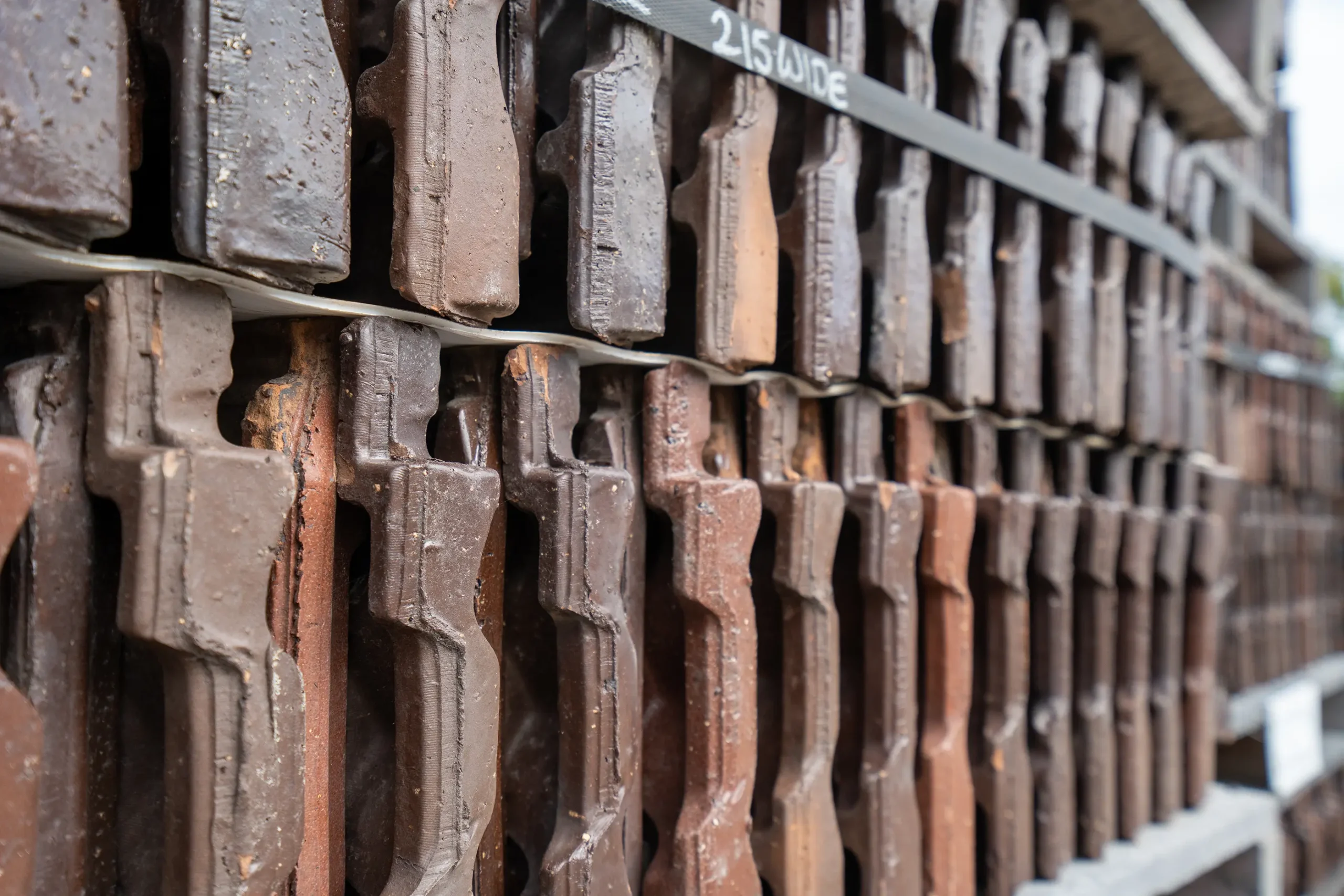
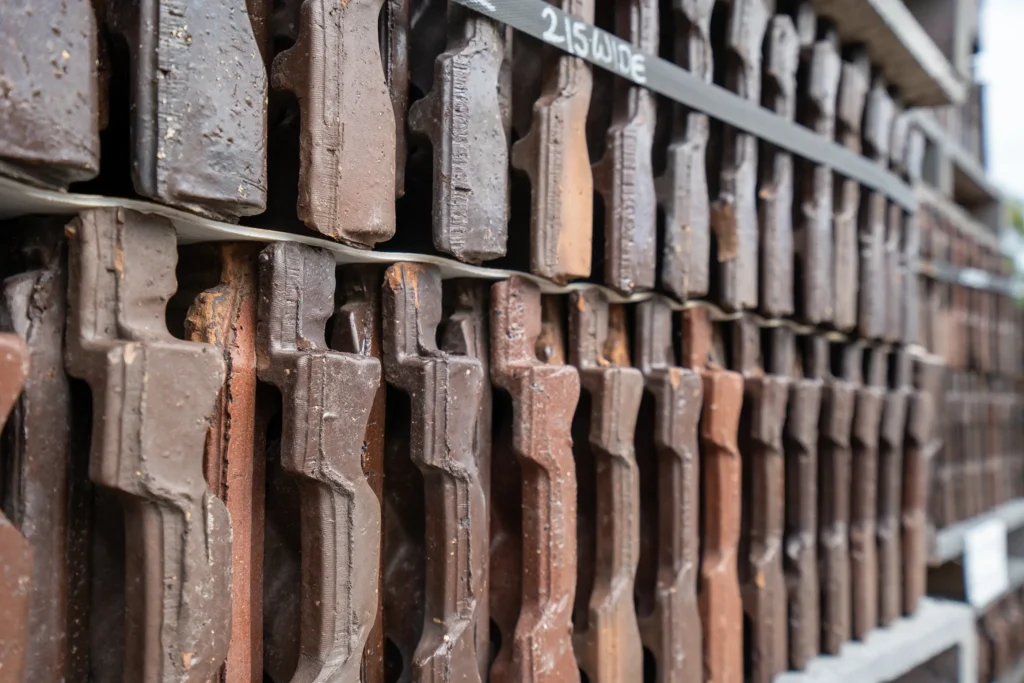
This is why underside photos and side profile images are just as important as visible-surface images.
If you are unsure, Recycling Roof Tiles can usually identify the closest compatible option from photos alone.
How Many Roof Tiles Do You Need?
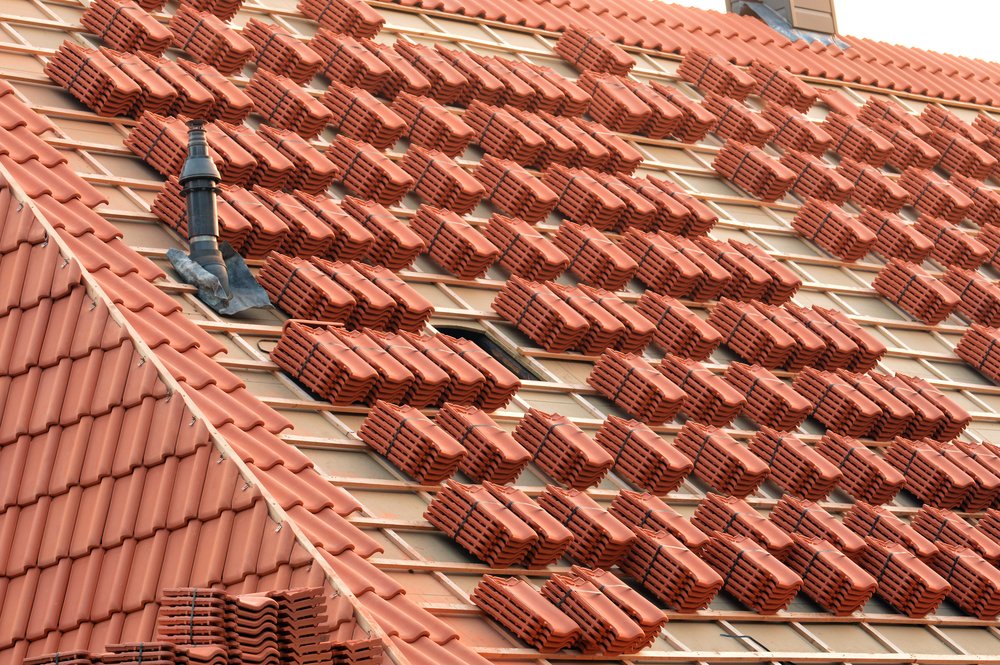
Most Australian roof tiles cover between ten and thirteen tiles per square metre, depending on profile. Exact coverage varies by manufacturer.
For accurate ordering, allowances must be added for breakage, cutting, hips, and ridges. Industry practice typically adds ten to fifteen per cent for repairs and up to twenty per cent for complex roofs.
Ordering too few tiles is one of the most common and expensive mistakes, particularly when dealing with discontinued profiles that may not be available later.
Environmental Benefits of Recycled Roof Tiles
Construction and demolition waste contributes millions of tonnes to landfill each year in Australia. Reusing roof tiles reduces demand for new raw materials and avoids the energy required to manufacture them.
From an environmental standpoint, reuse preserves the embodied energy of the original product rather than downcycling it. This makes recycled roof tiles one of the most effective forms of sustainable building reuse available.
When Recycled Roof Tiles Are the Right Choice
Recycled roof tiles are particularly suitable for roof repairs, storm-damage replacement, home extensions, and older roofs where profiles are no longer available.
They may be less suitable when a full architectural redesign is planned or when a completely uniform new appearance is required.
Avoiding Costly Mistakes
Many problems arise from poor planning rather than tile quality. Buying small quantities without confirming compatibility, failing to allow for breakage, or sourcing tiles from multiple batches often leads to mismatched results.
The most successful projects are those where tile identification, quantity estimation, and delivery are confirmed before installation begins. Roof tiles used on residential properties must be installed in accordance with the National Construction Code as published by the Australian Building Codes Board.
Supplying Recycled Roof Tiles Across New South Wales
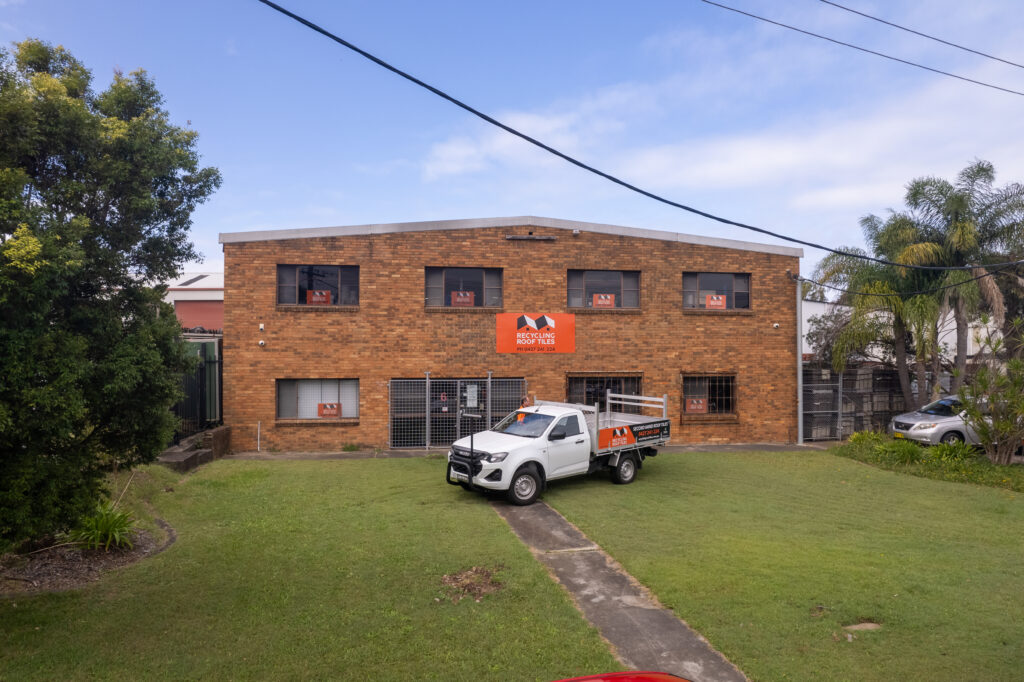
Recycling Roof Tiles supplies recycled roofing materials across the Central Coast, Newcastle, Maitland, Wyong, Gosford, Port Stephens, the Hunter Valley, Hornsby, and greater Sydney.
Availability changes regularly, so early enquiries are recommended, particularly when matching older or discontinued tiles.
Get Help With Tile Matching or Quantities
If you are repairing or replacing roof tiles and want clear guidance, Recycling Roof Tiles can help.
By sending clear photos of your existing tile and your location, our team can assist with identification, availability, and quantity estimates.
This approach saves time, prevents errors, and helps ensure your roofing project is completed properly the first time.
Contact Recycling Roof Tiles today to check availability or get help matching your existing roof tiles.