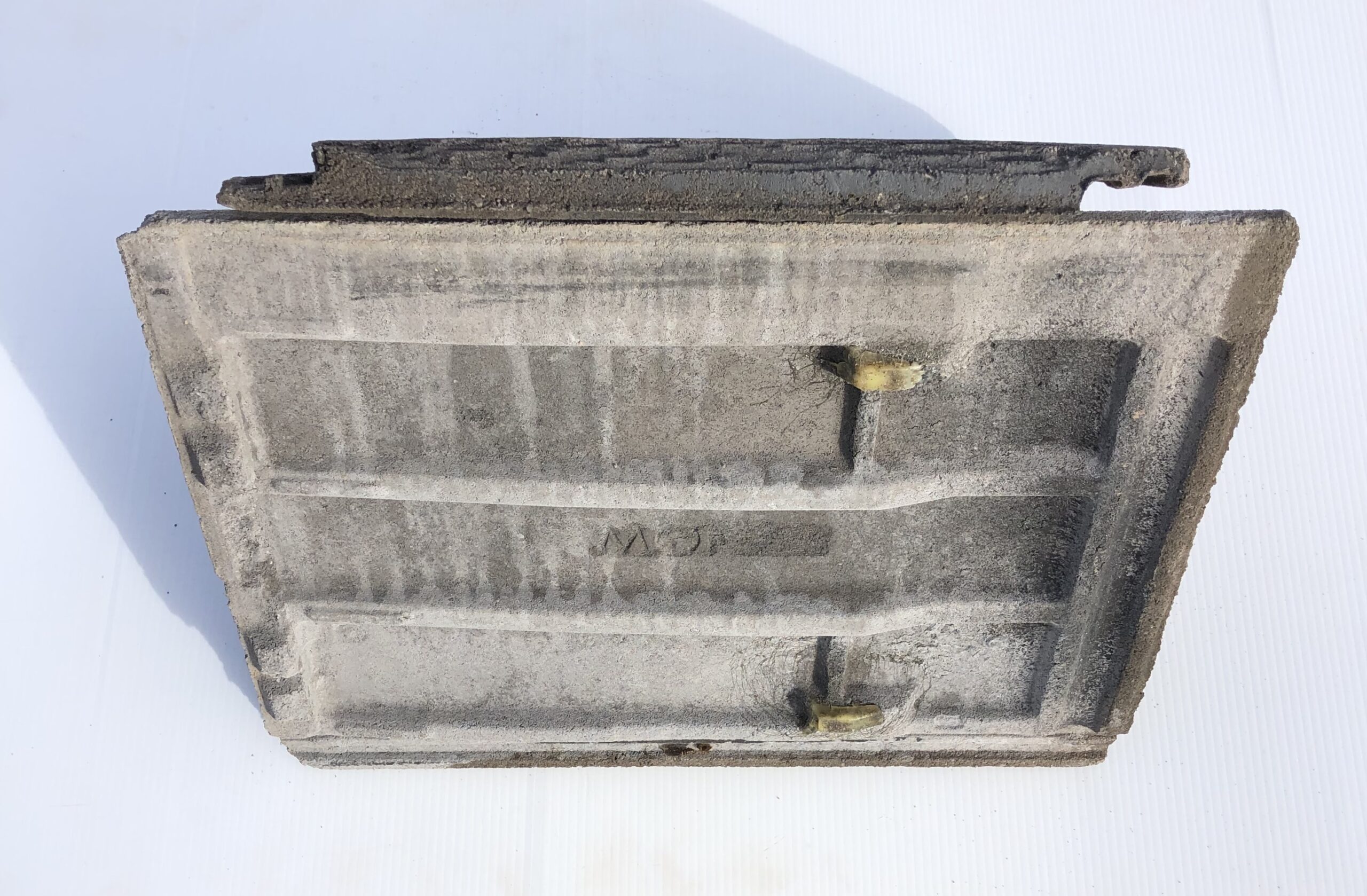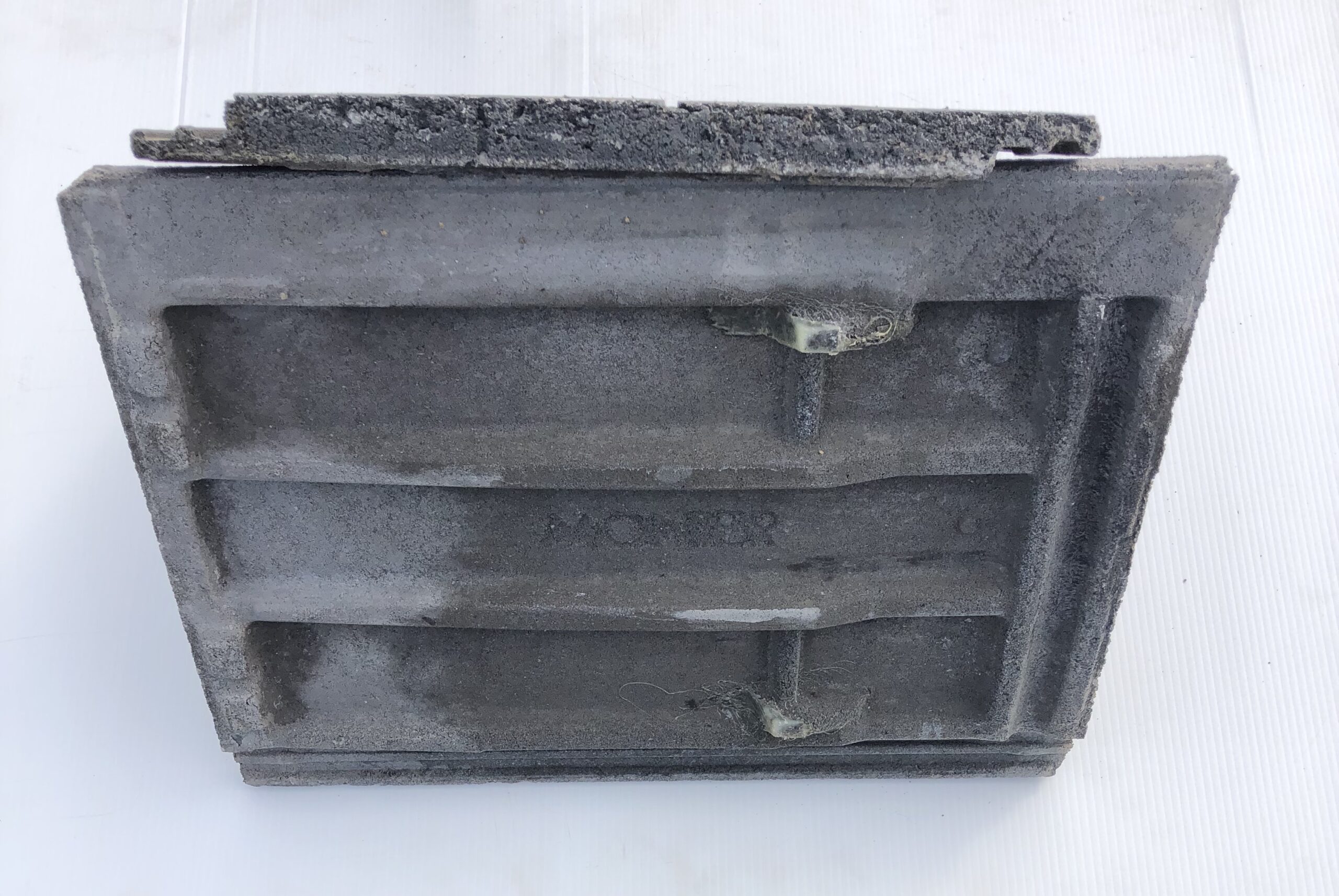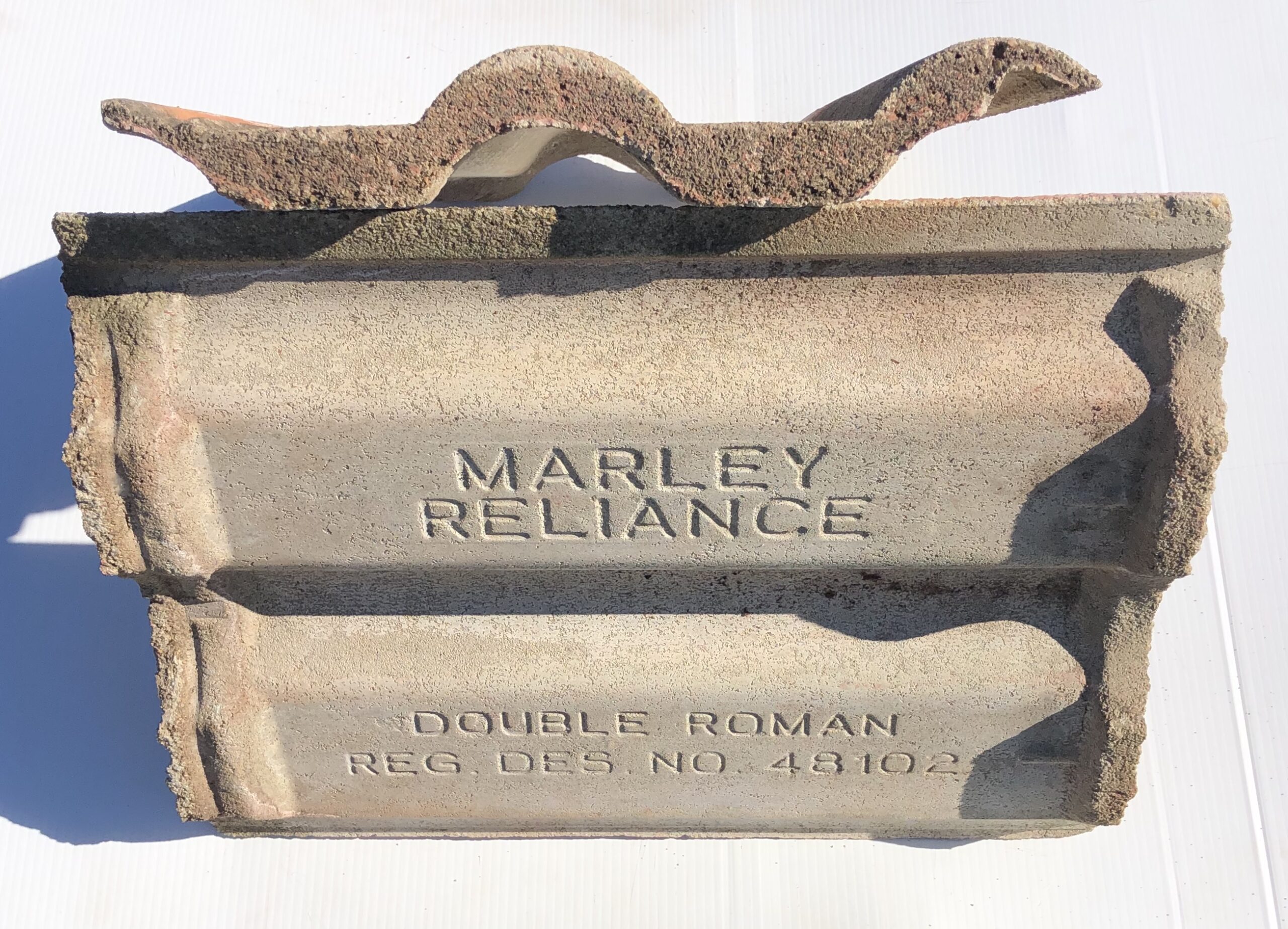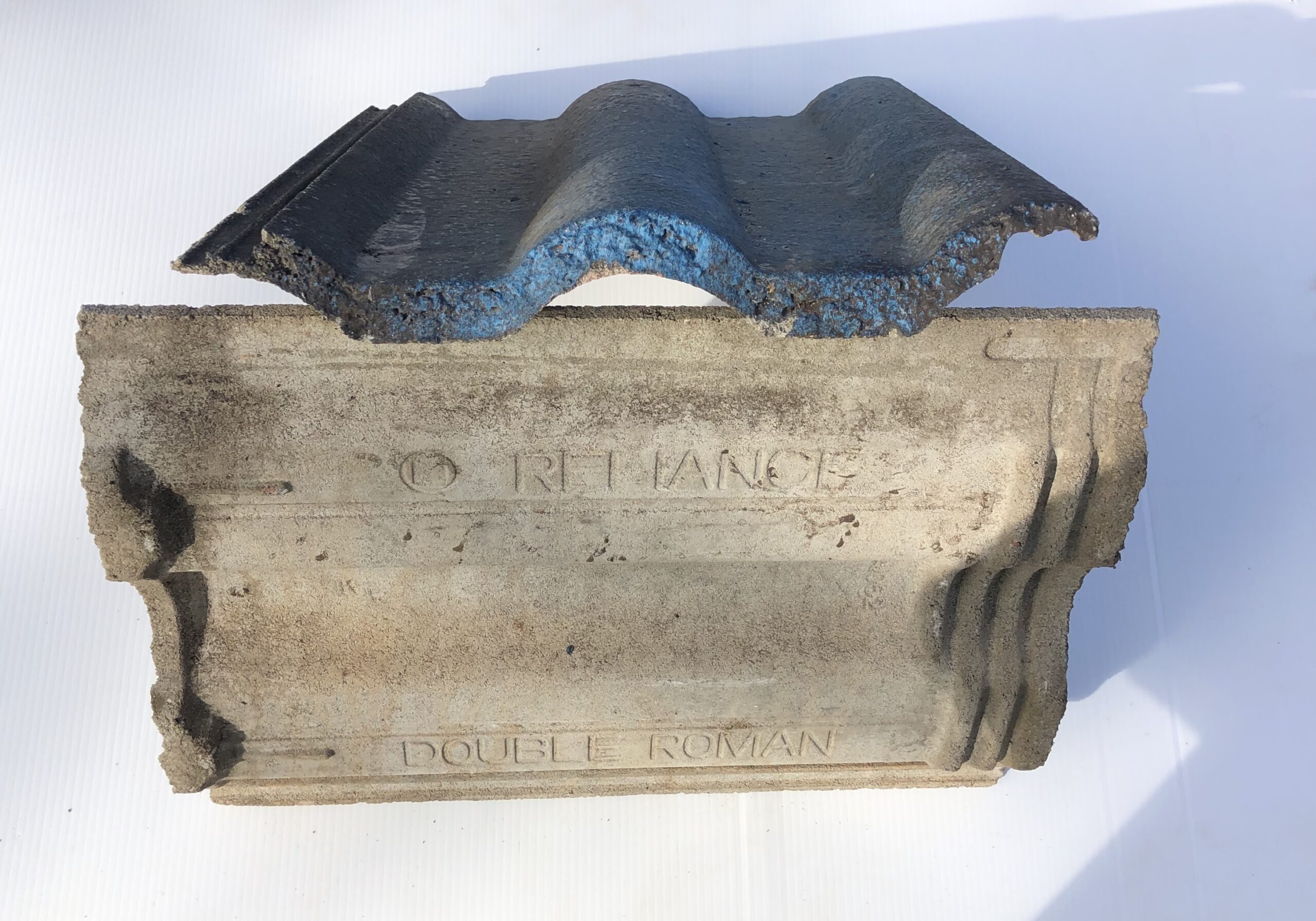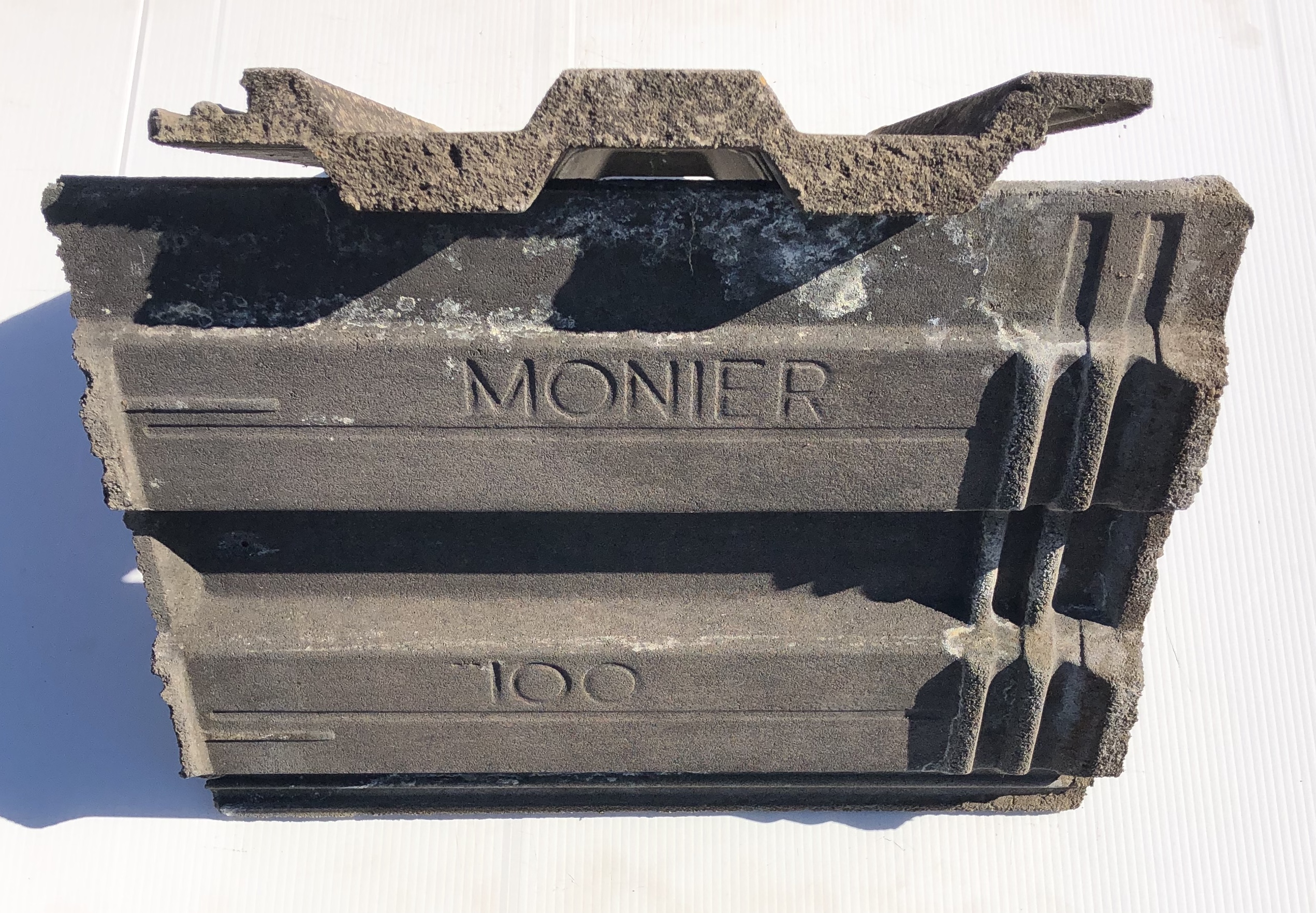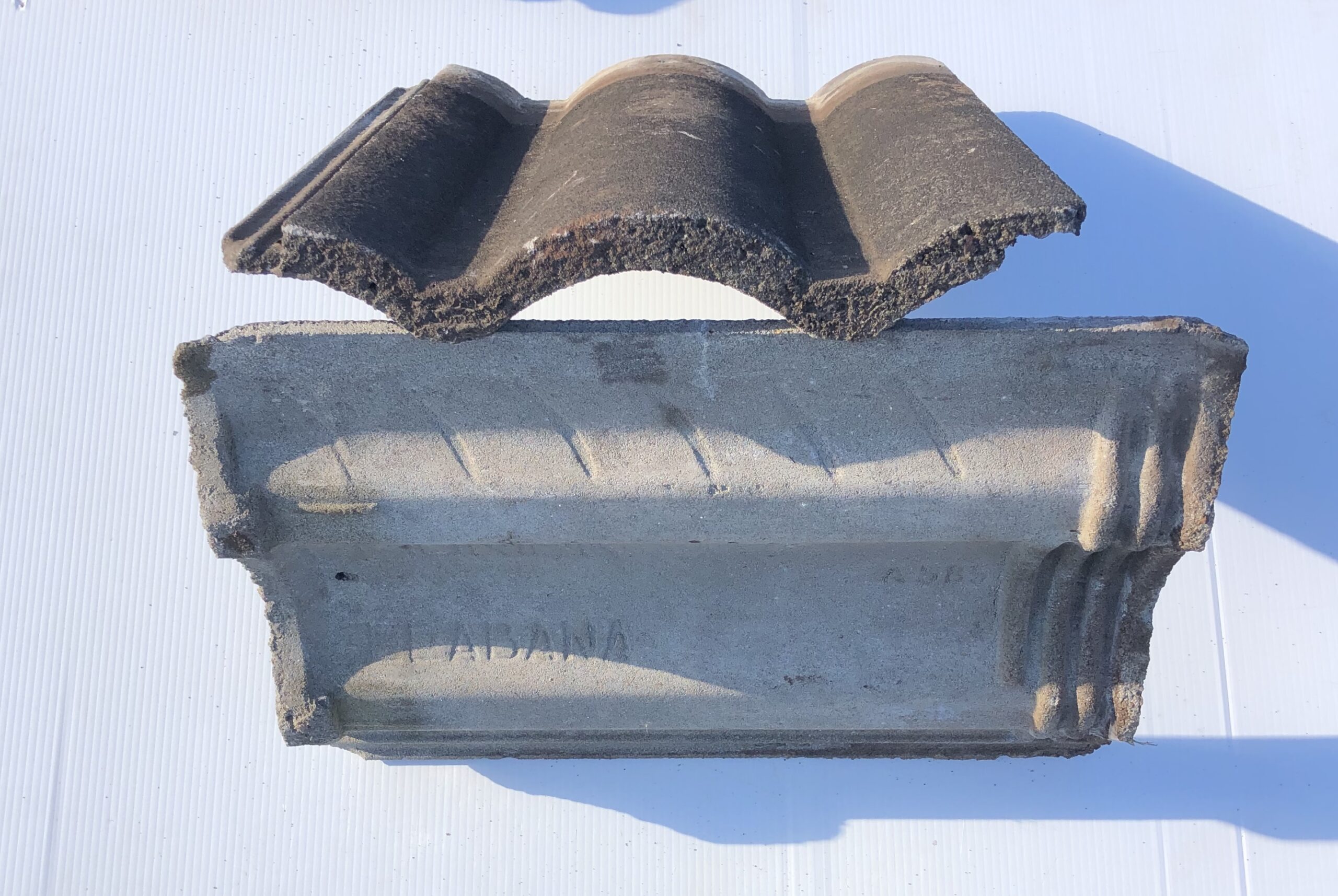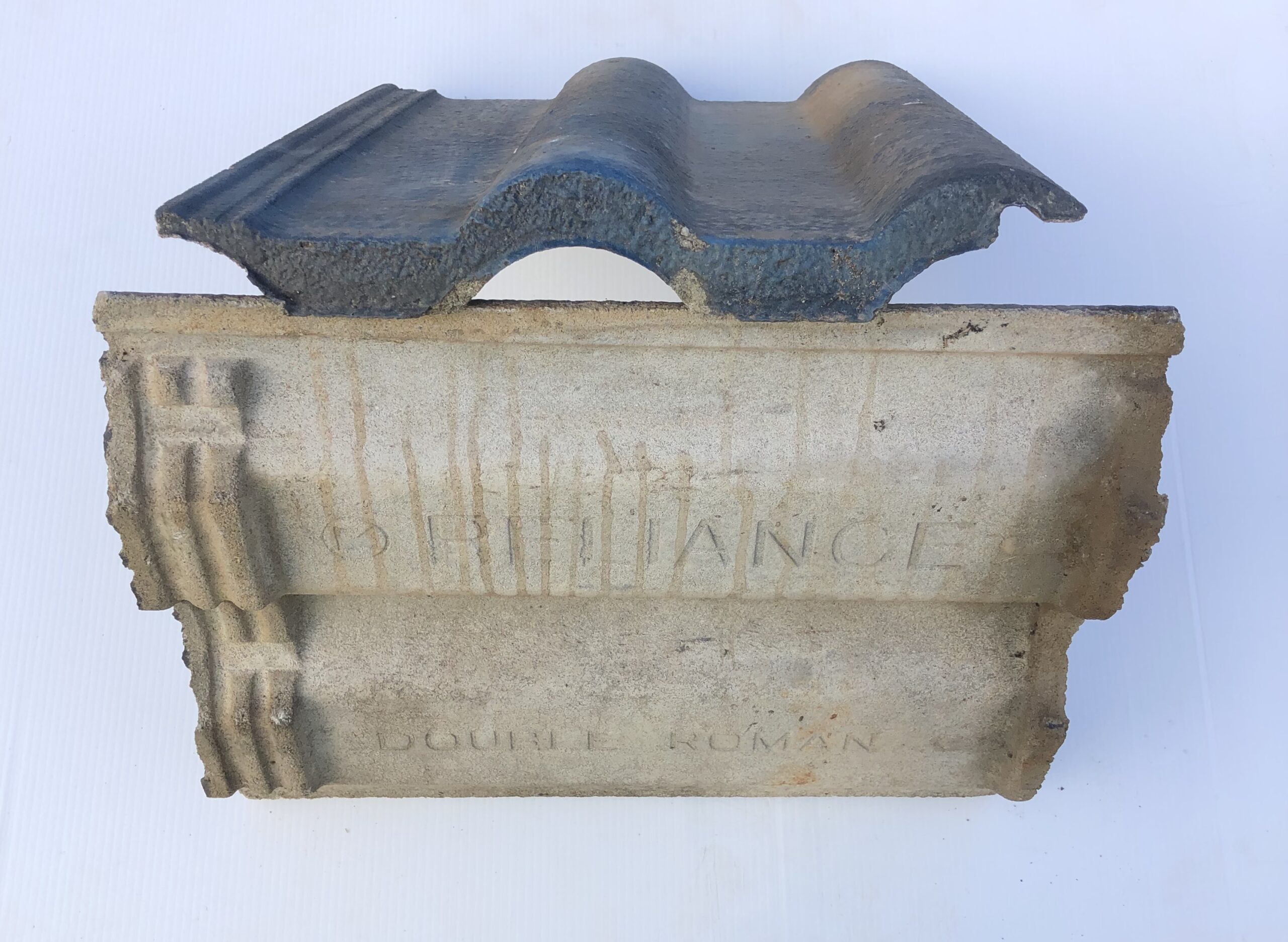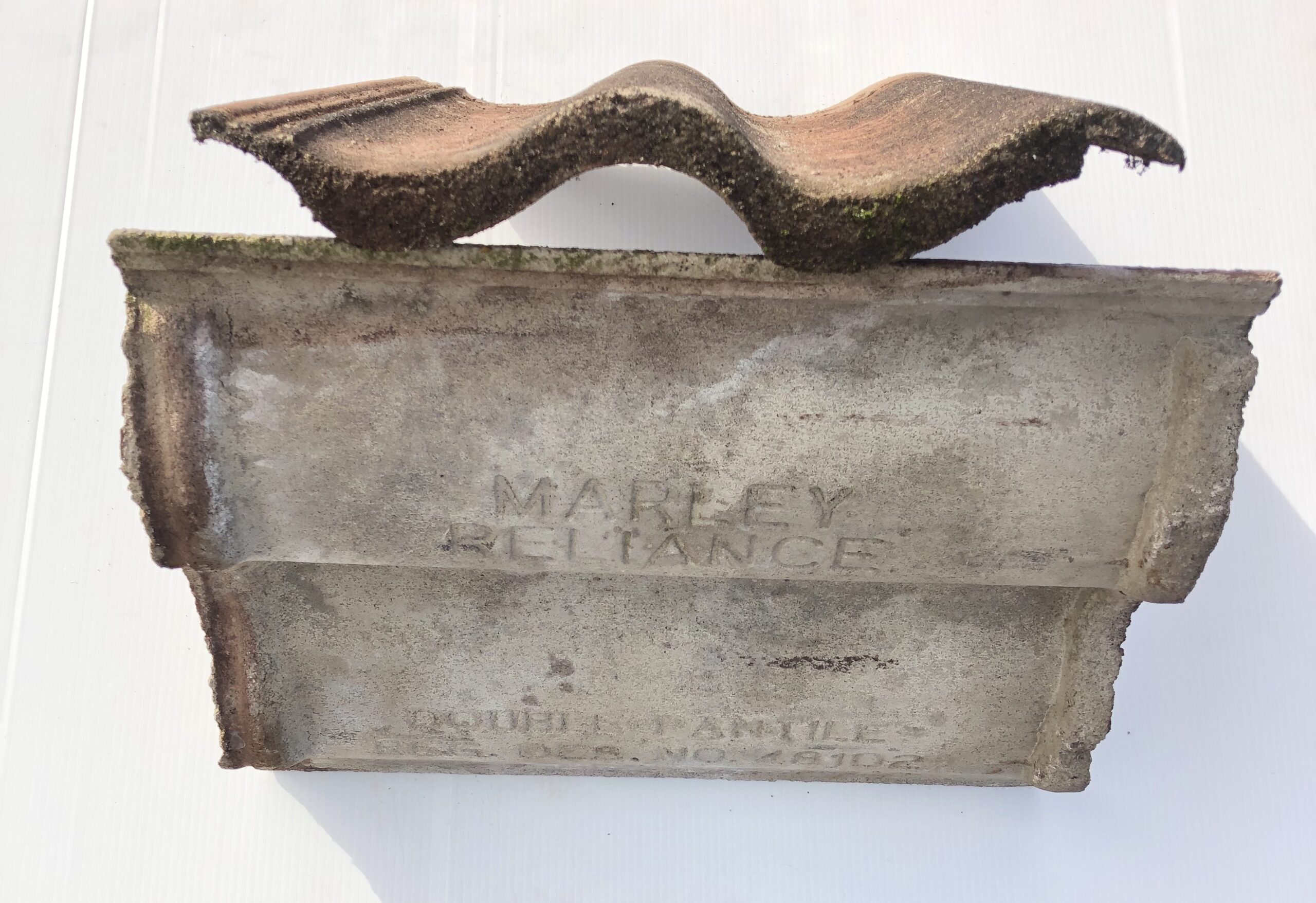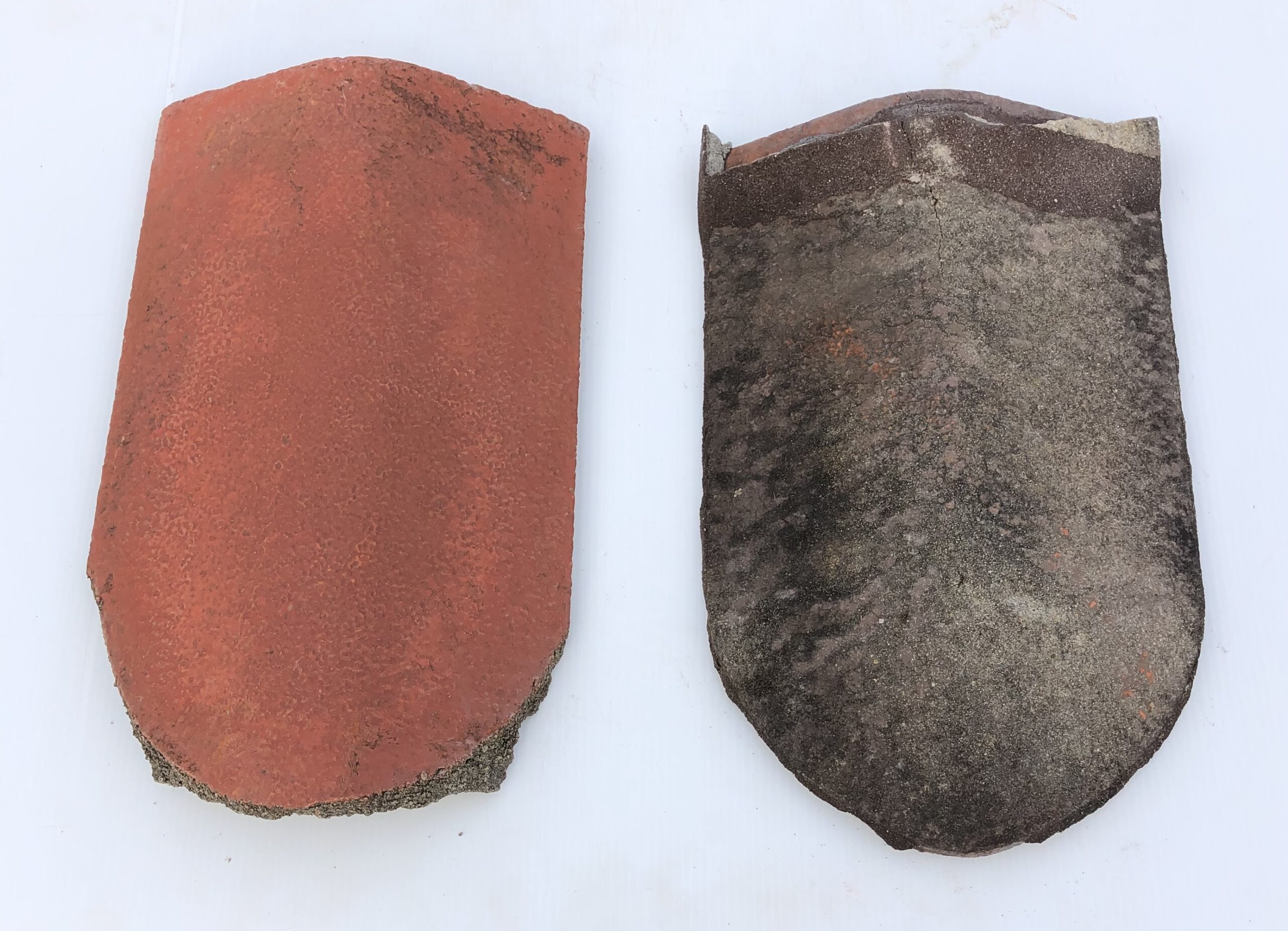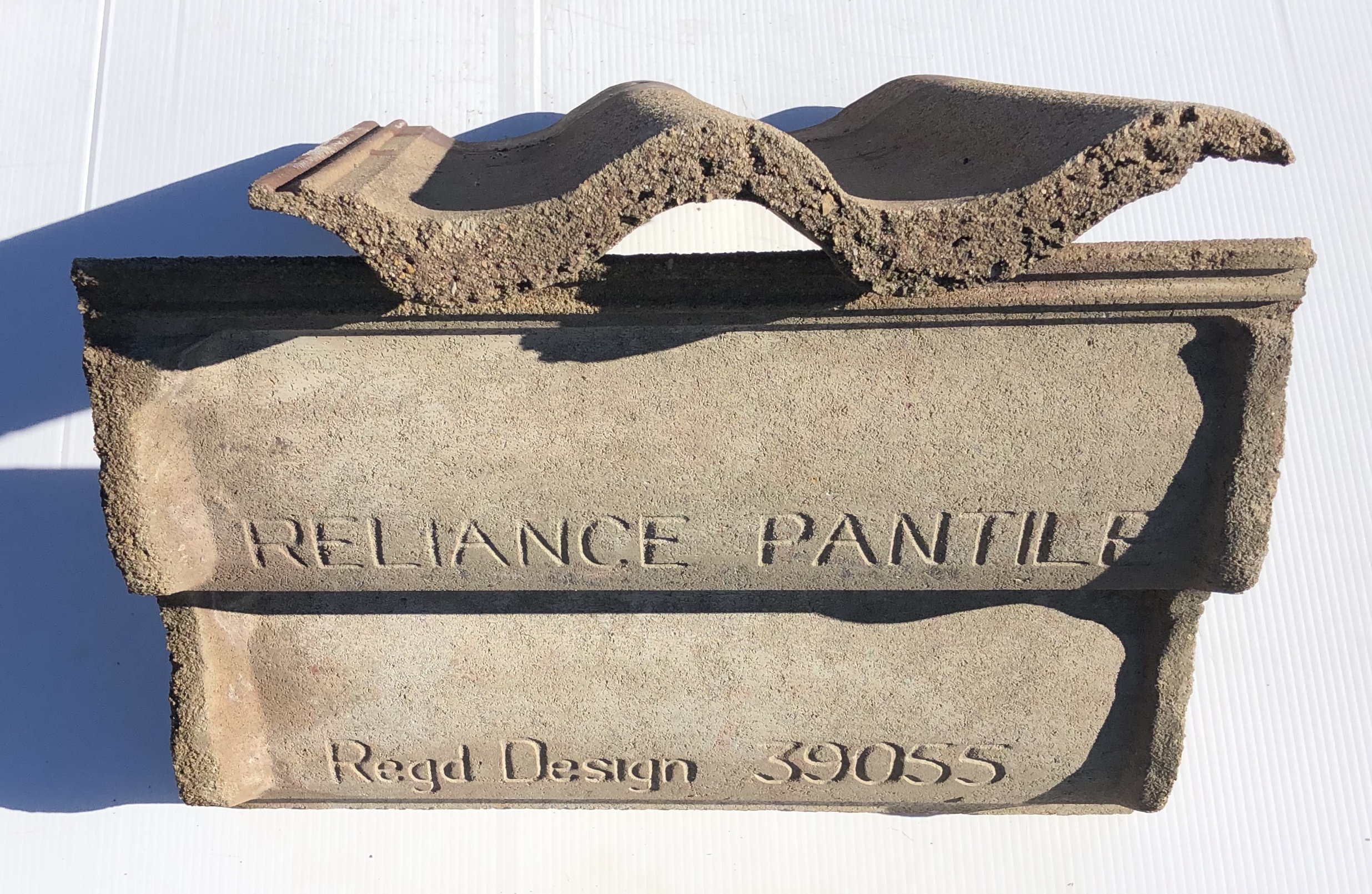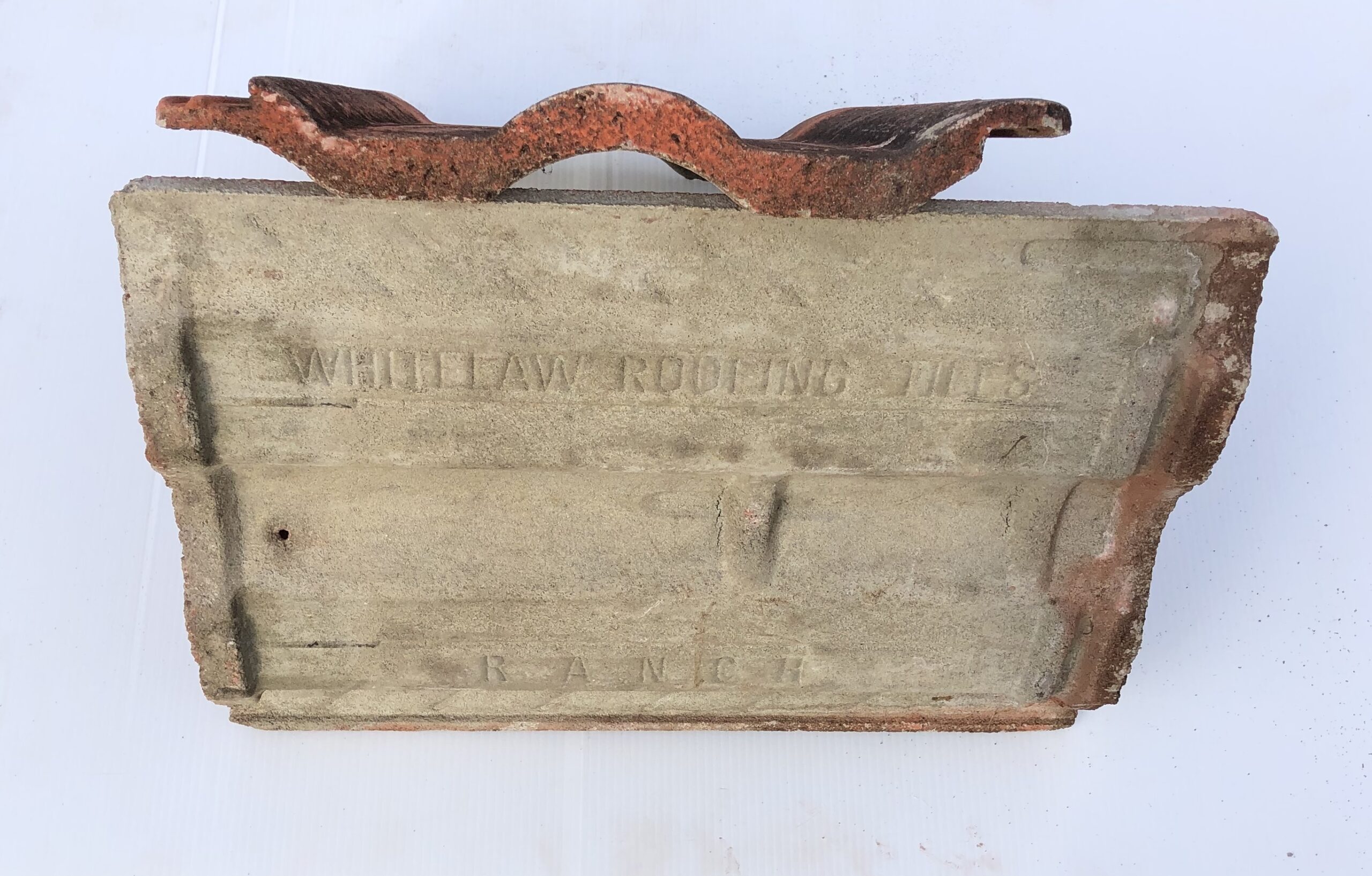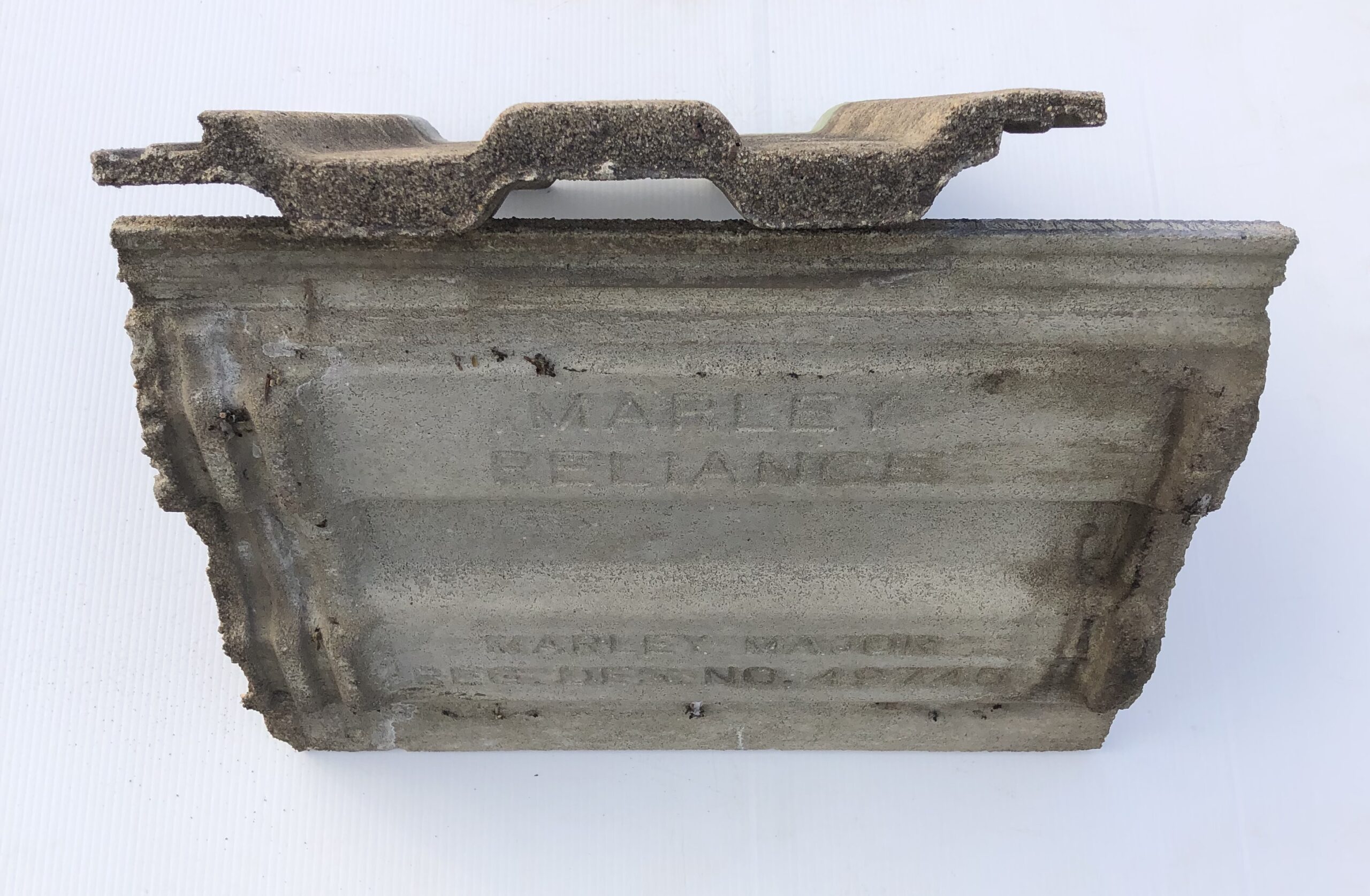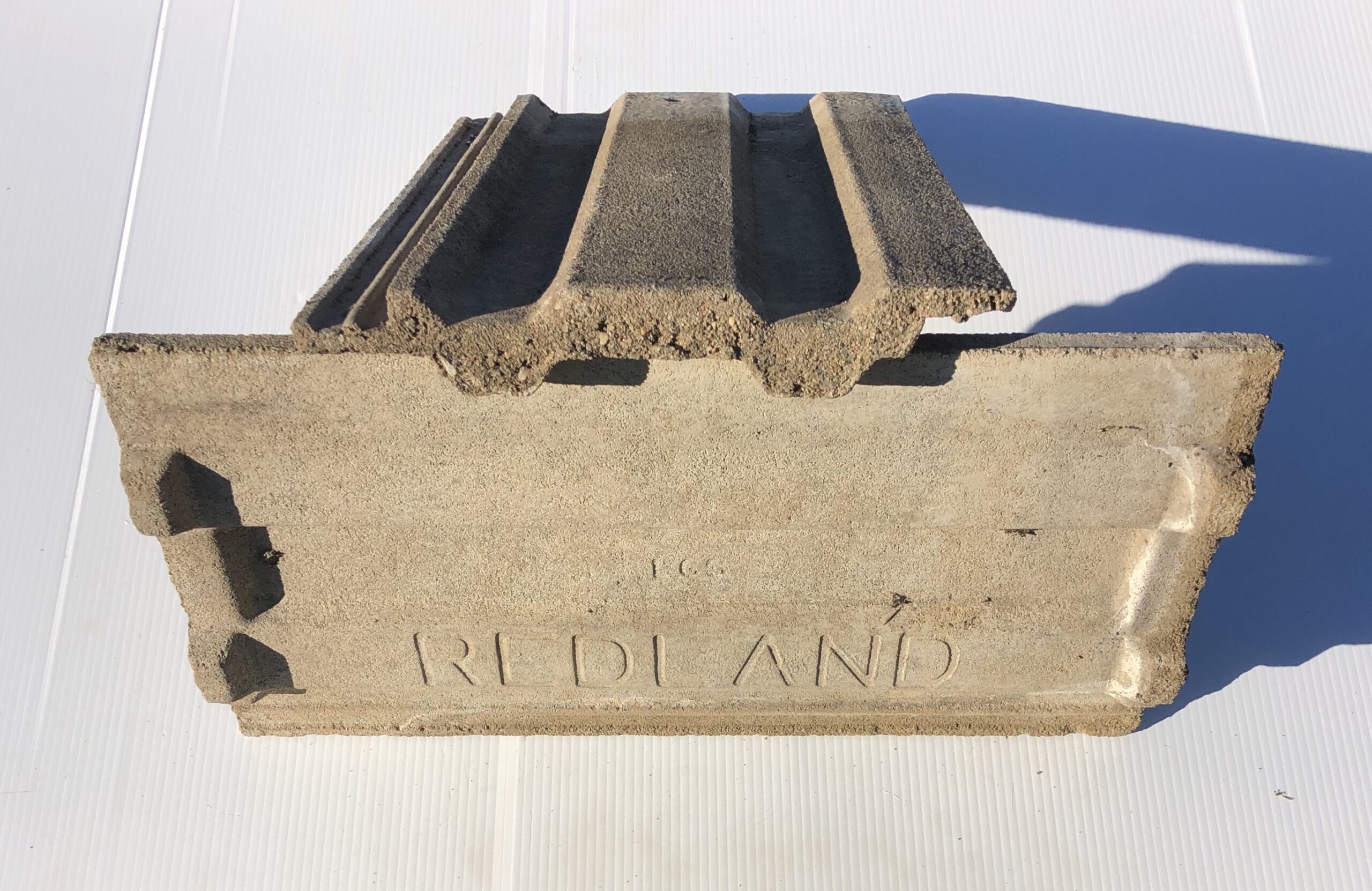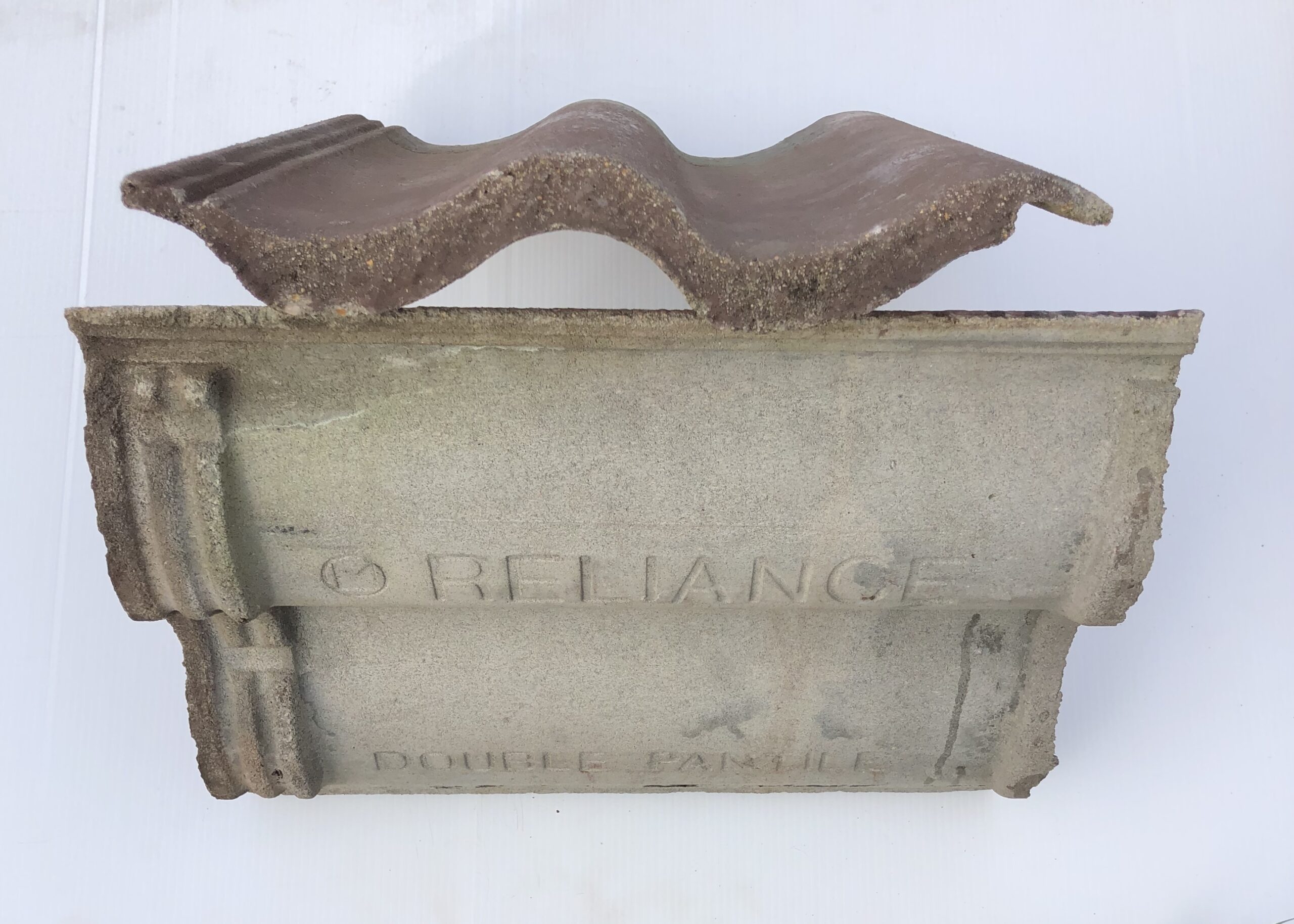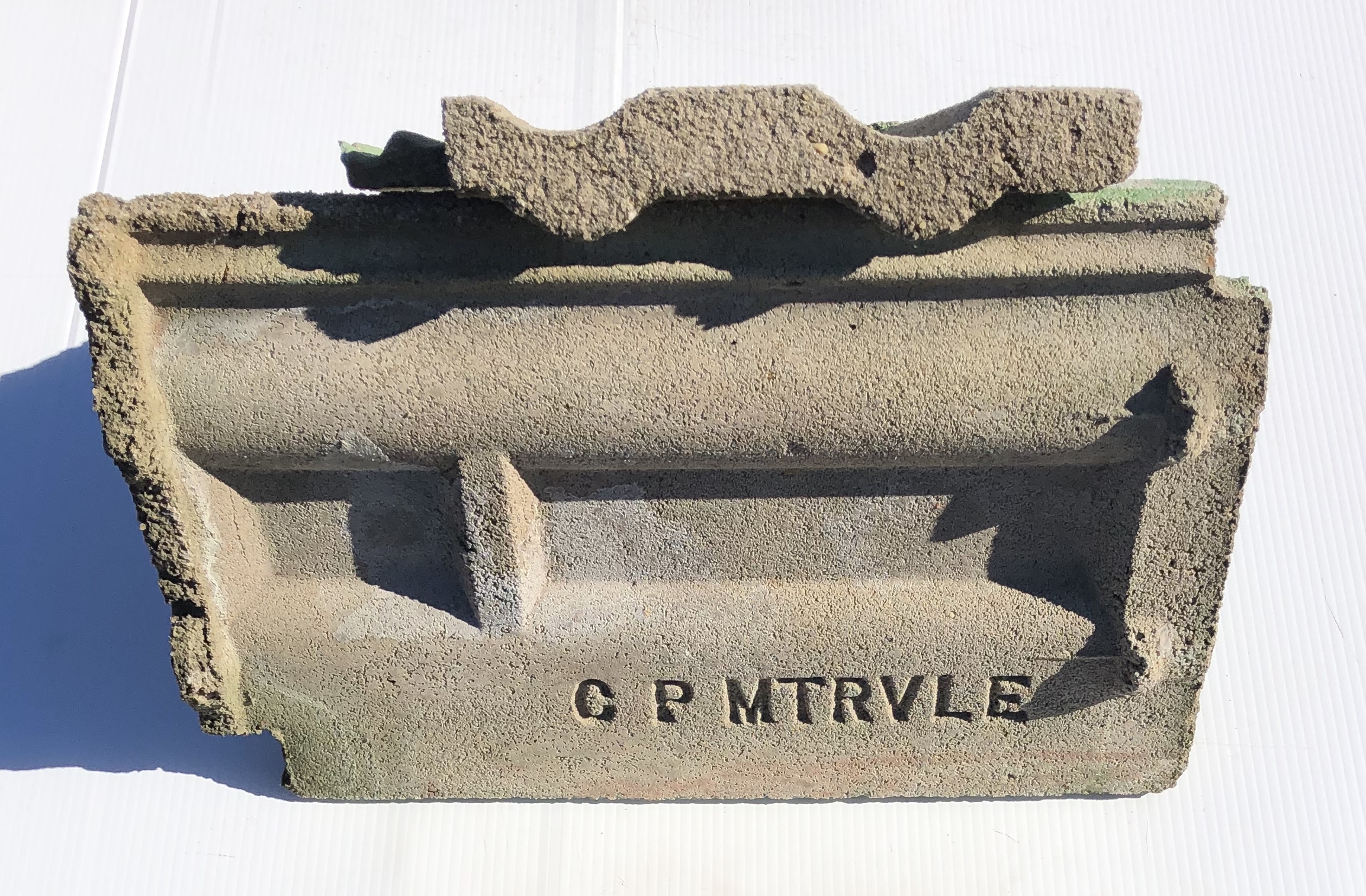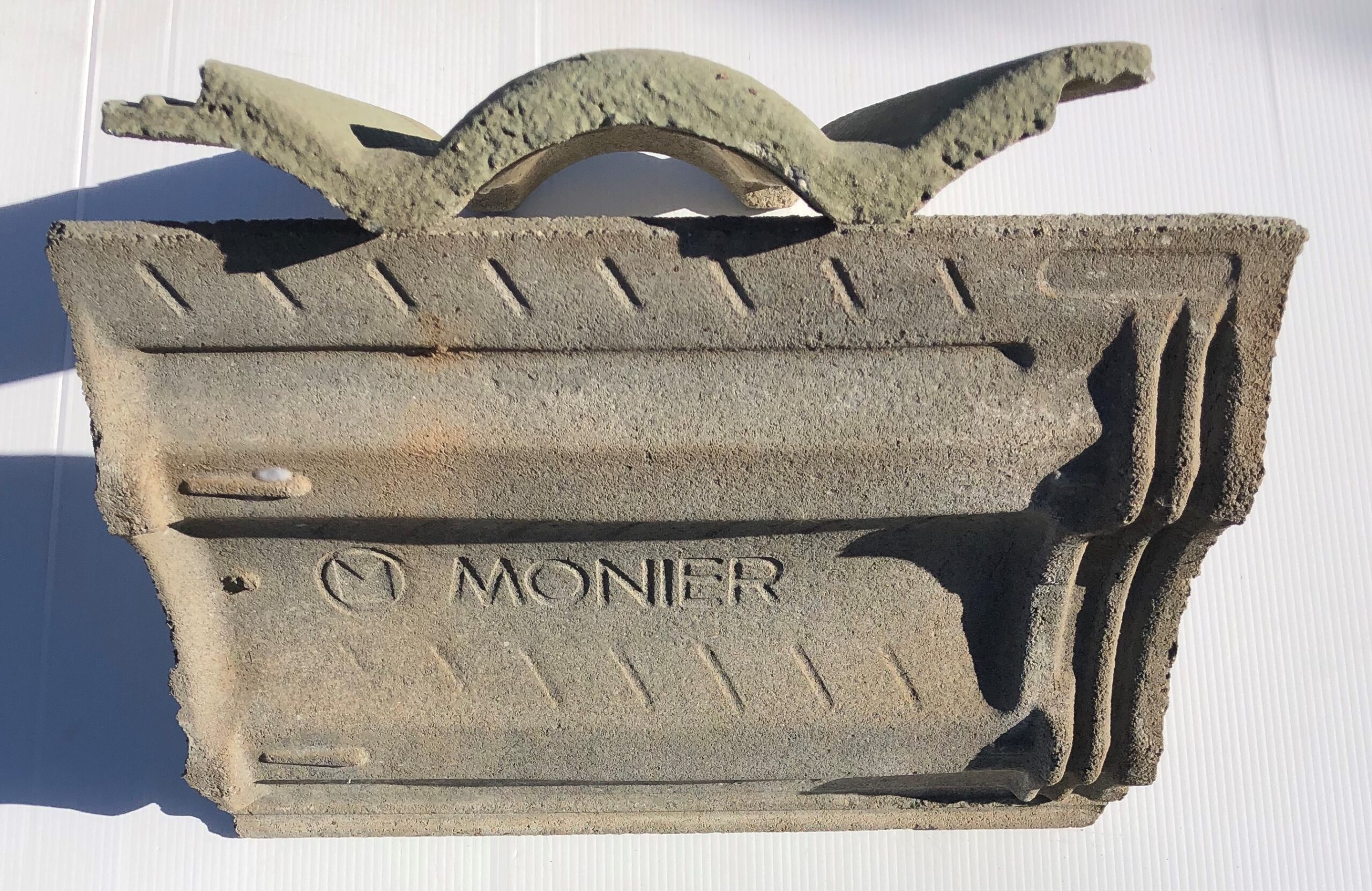
Discontinued Roof Tiles
How to Find, Match and Replace Rare Roof Tiles
Can’t Find Discontinued Roof Tiles? You’re Not Alone
If you have been trying to replace broken roof tiles and cannot find the same ones anywhere, there is a clear reason.
Across Sydney, Newcastle, and the Central Coast, many homes still rely on older roof tile profiles that are no longer manufactured. What should be a straightforward repair often turns into a frustrating search, with suppliers and hardware stores unable to help.
At Recycling Roof Tiles, we solve this exact problem. We do not treat this as a stock issue. We treat it as a tile identification and compatibility challenge, which is why we can source tiles others cannot.
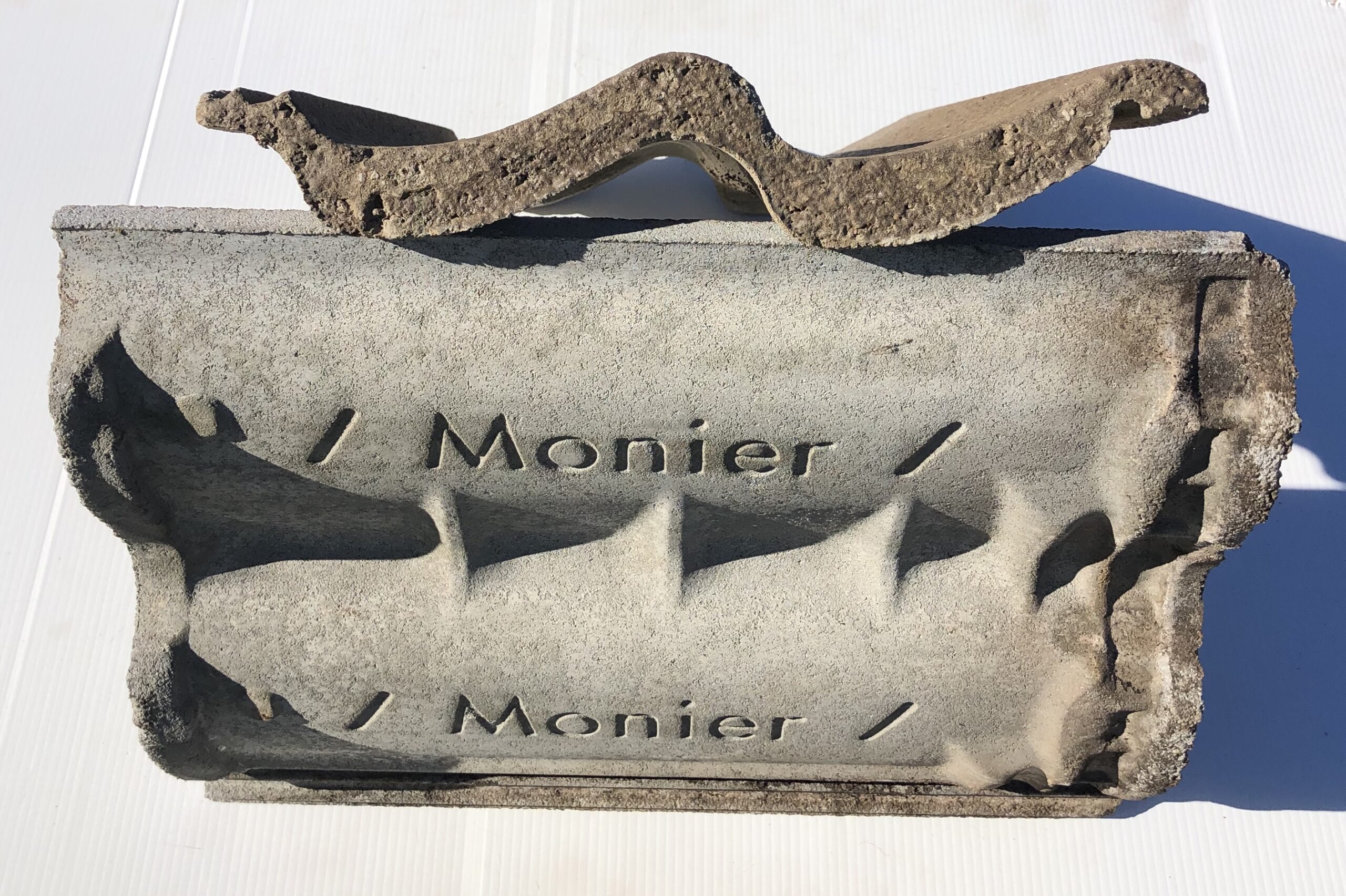
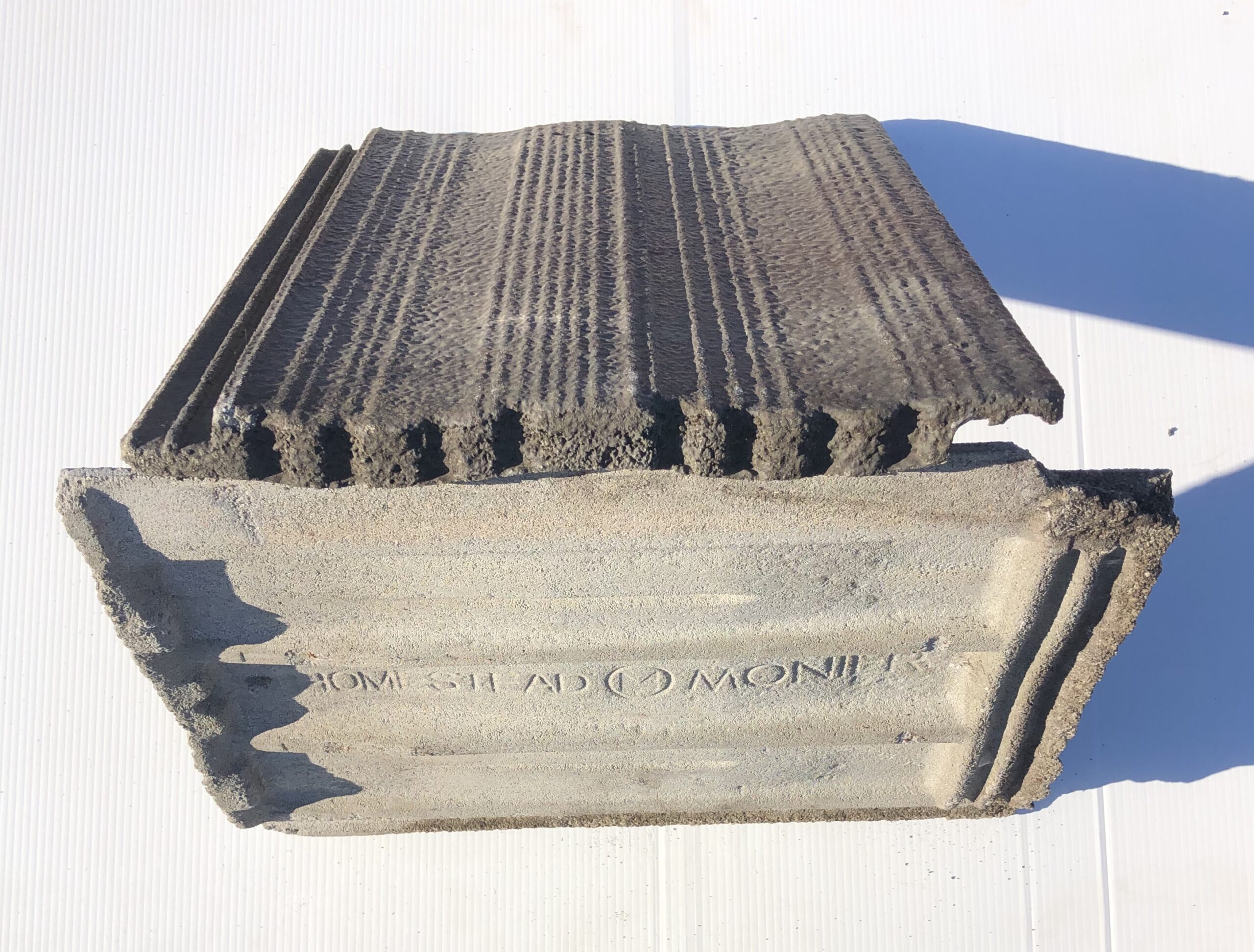
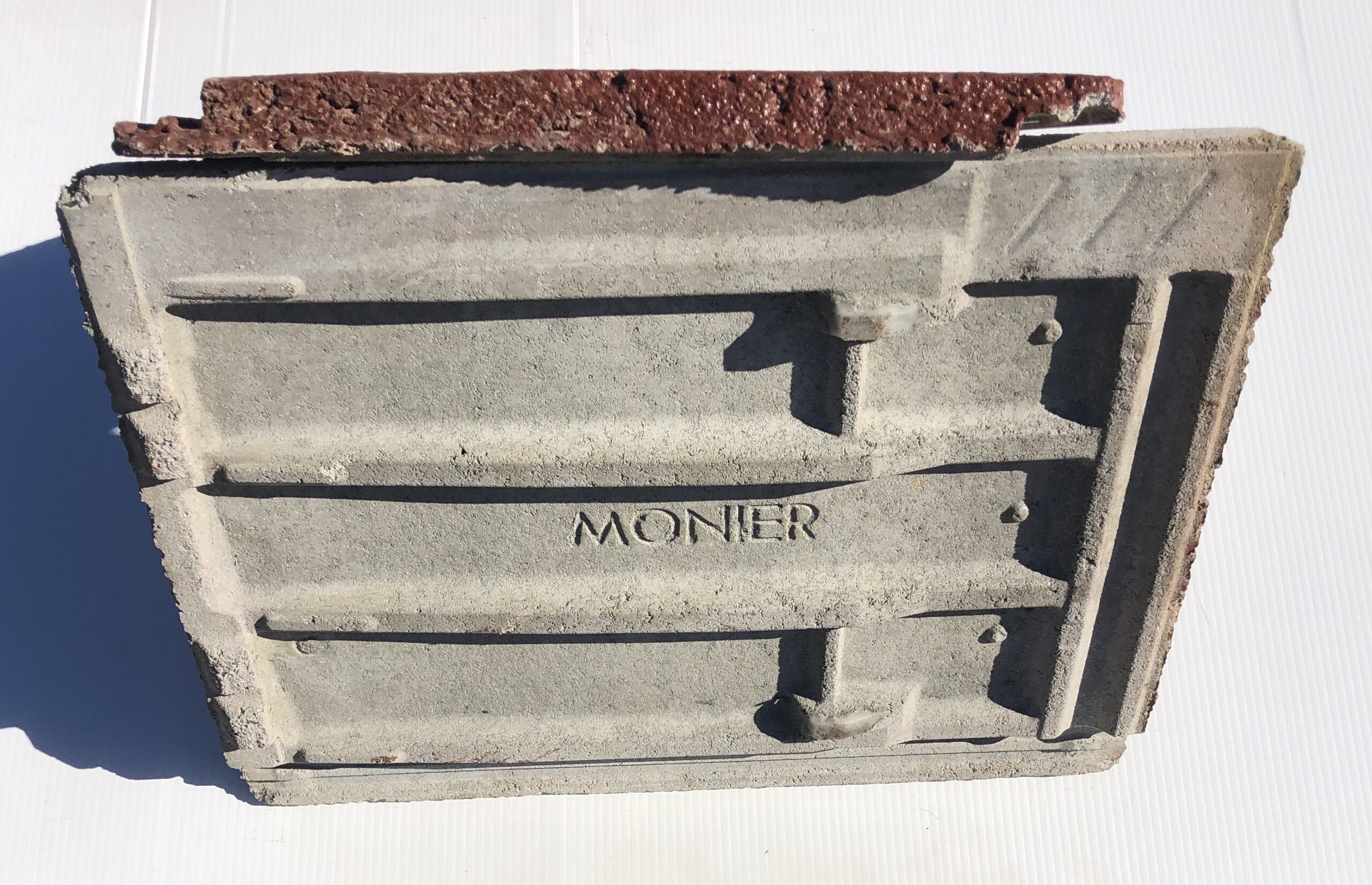
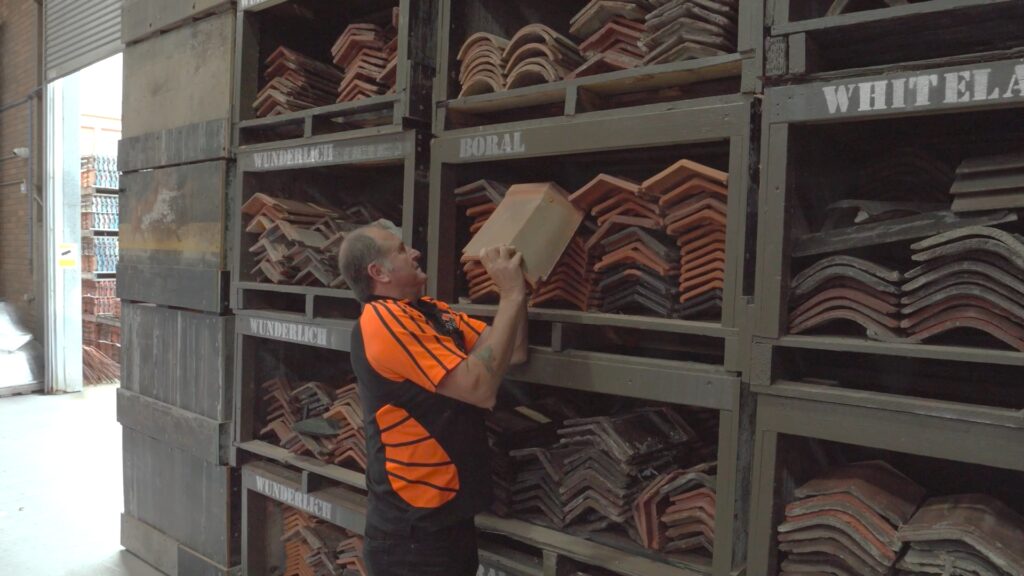
- Monier
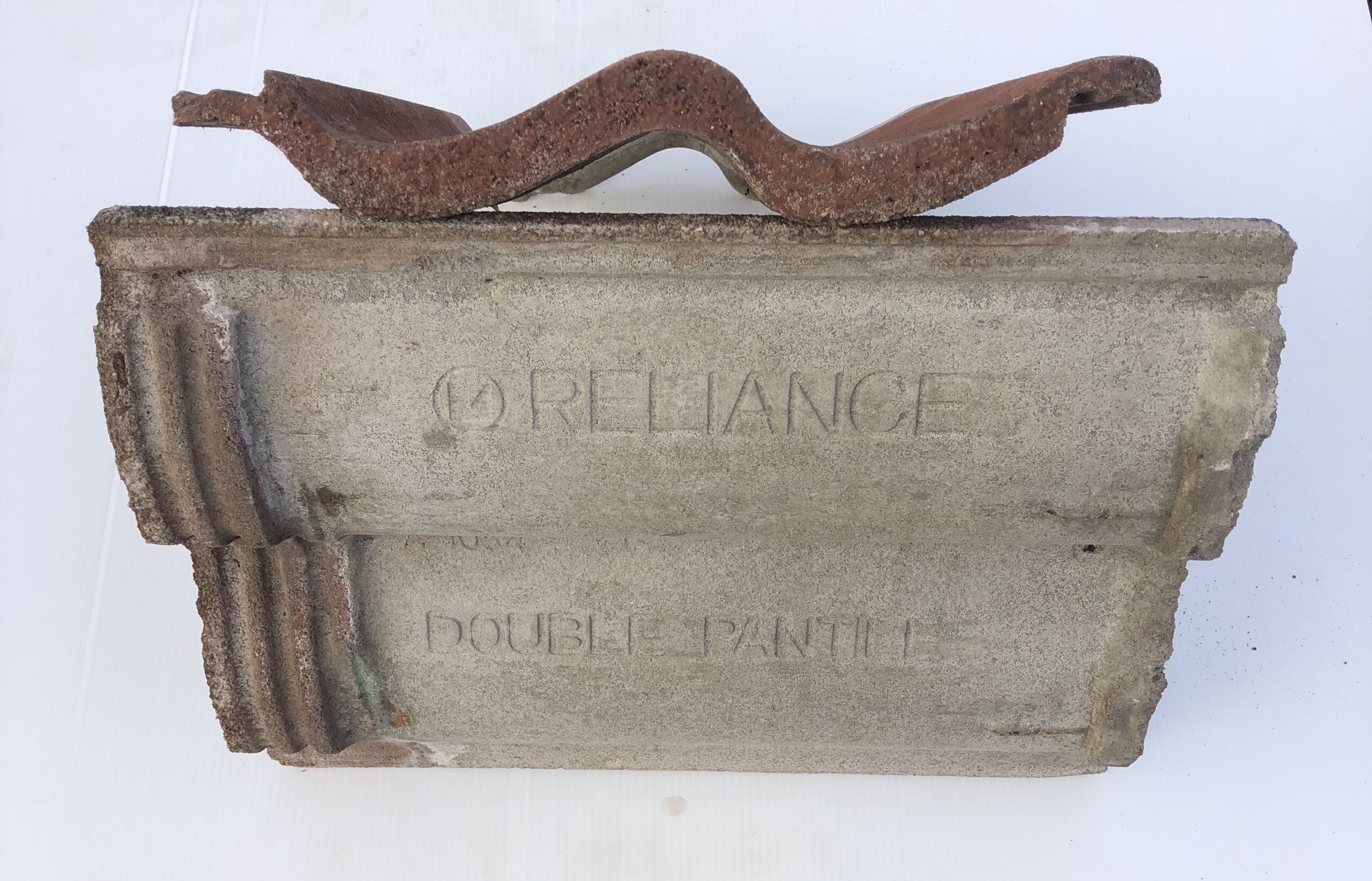
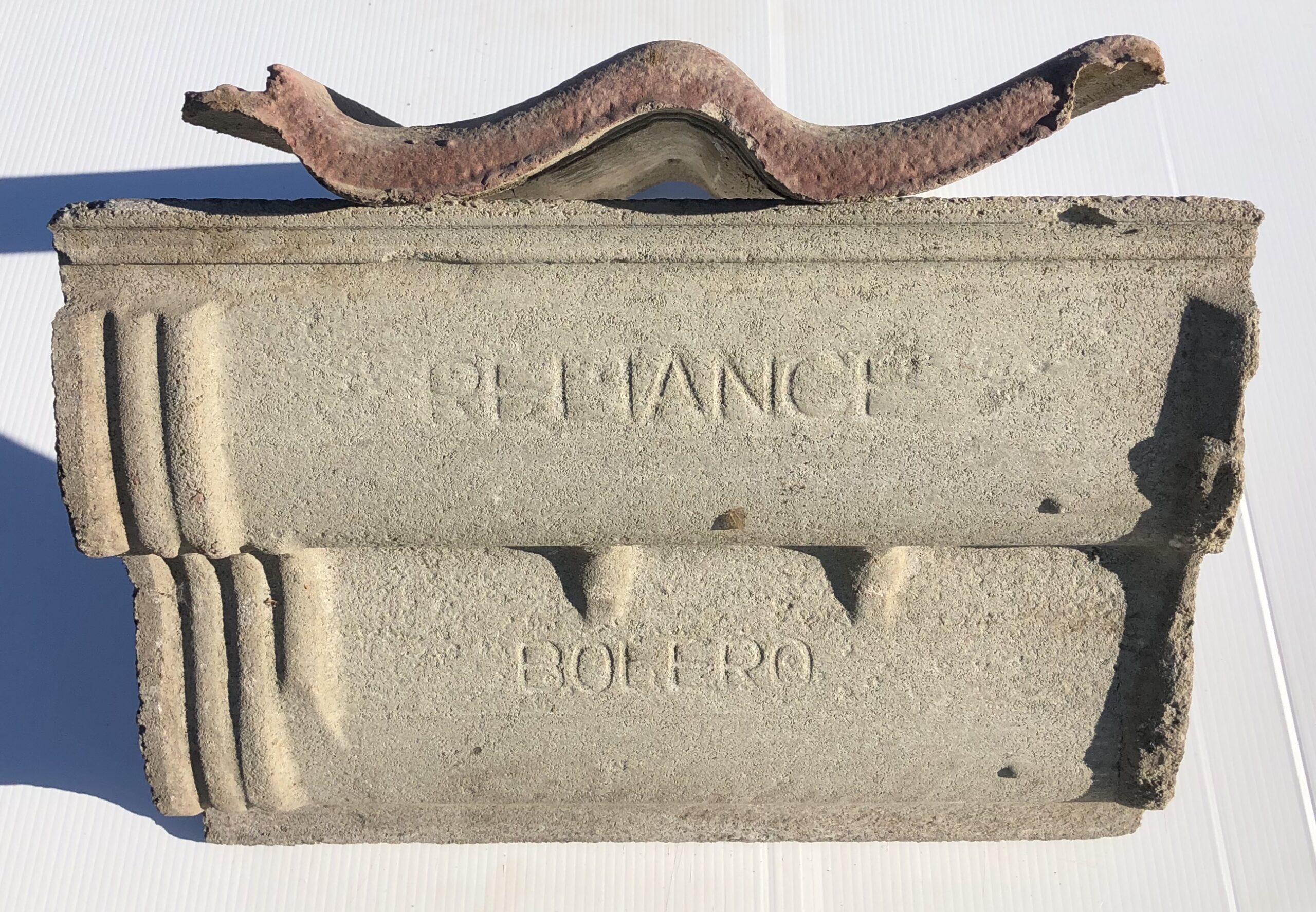
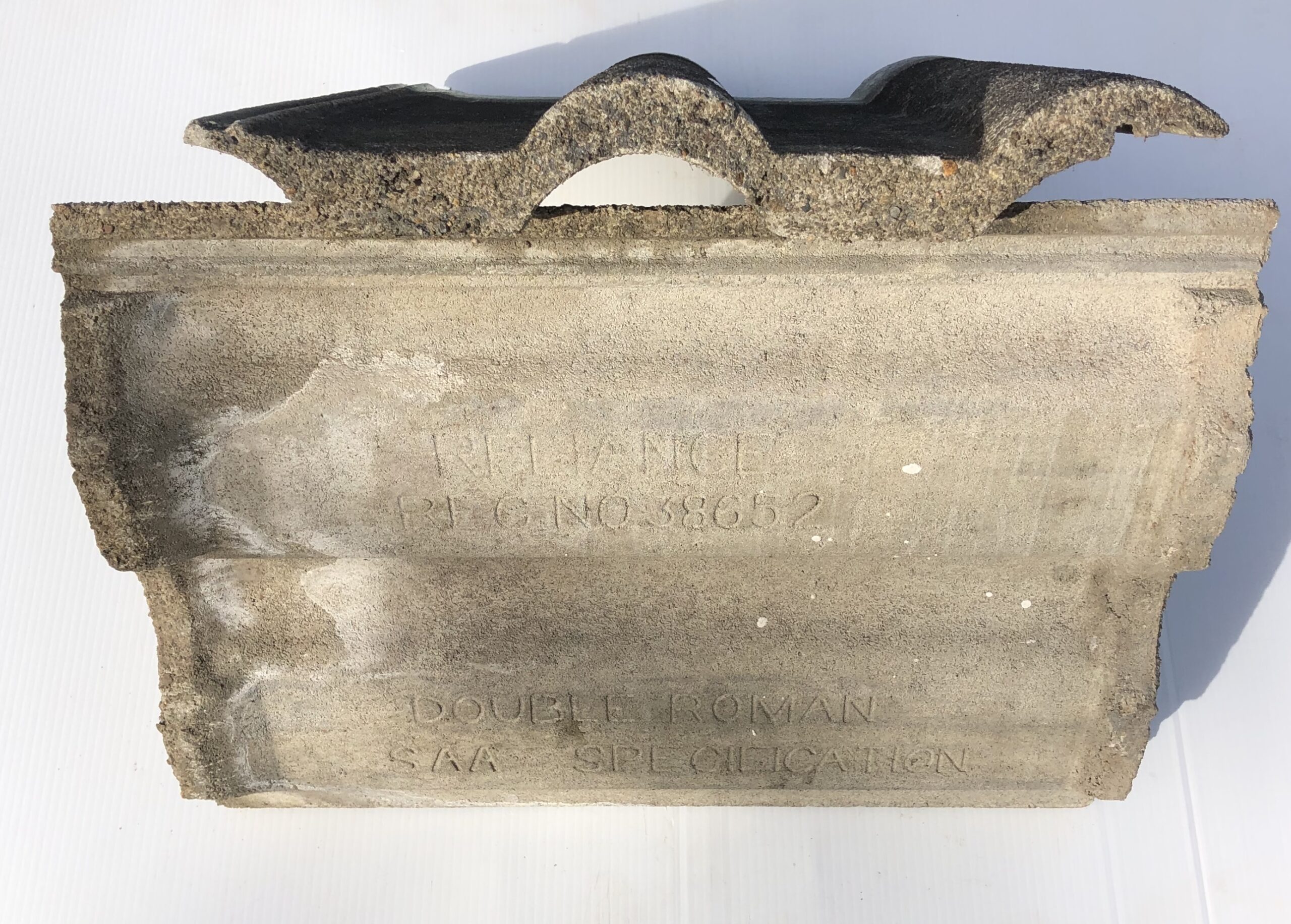
- Reliance
- Boral
- Clark
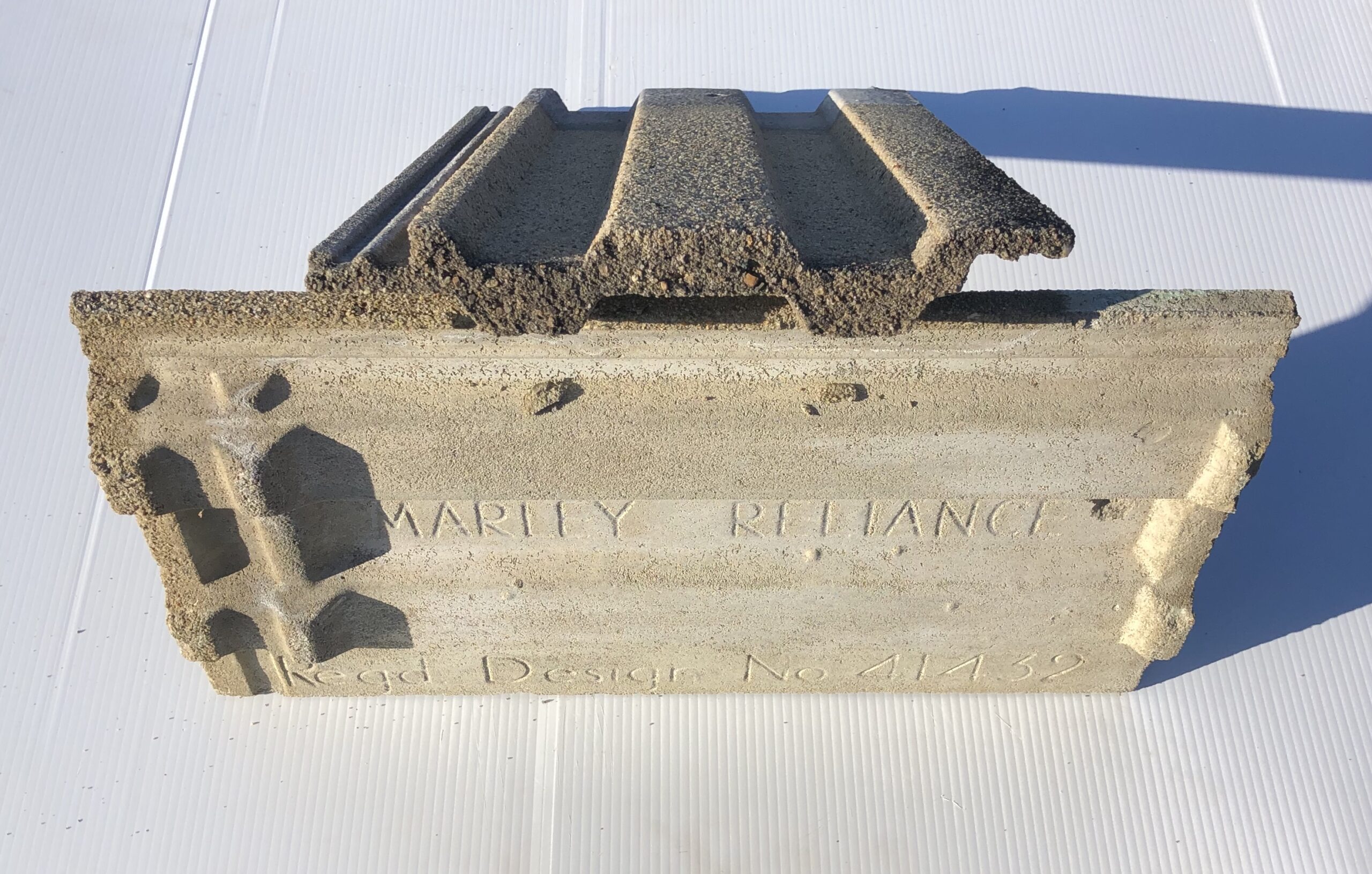
- Marley Reliance
- Double Roman 38652
- Majors
- Redland
- Pegson
- Hume
- Pioneer
- Bristile
- Whitelaw
- Besser
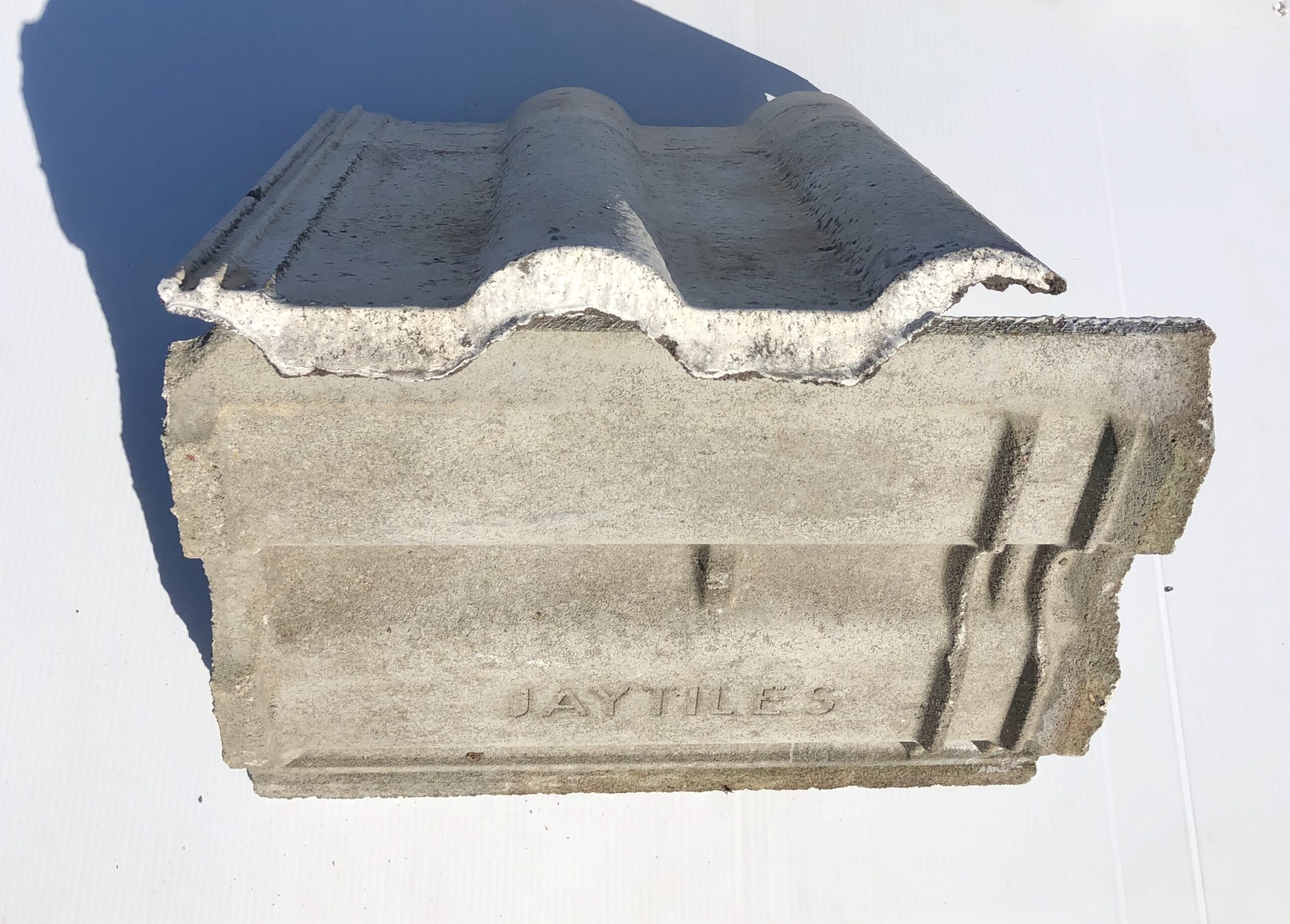
- Jay Tiles
- ART Kimberly
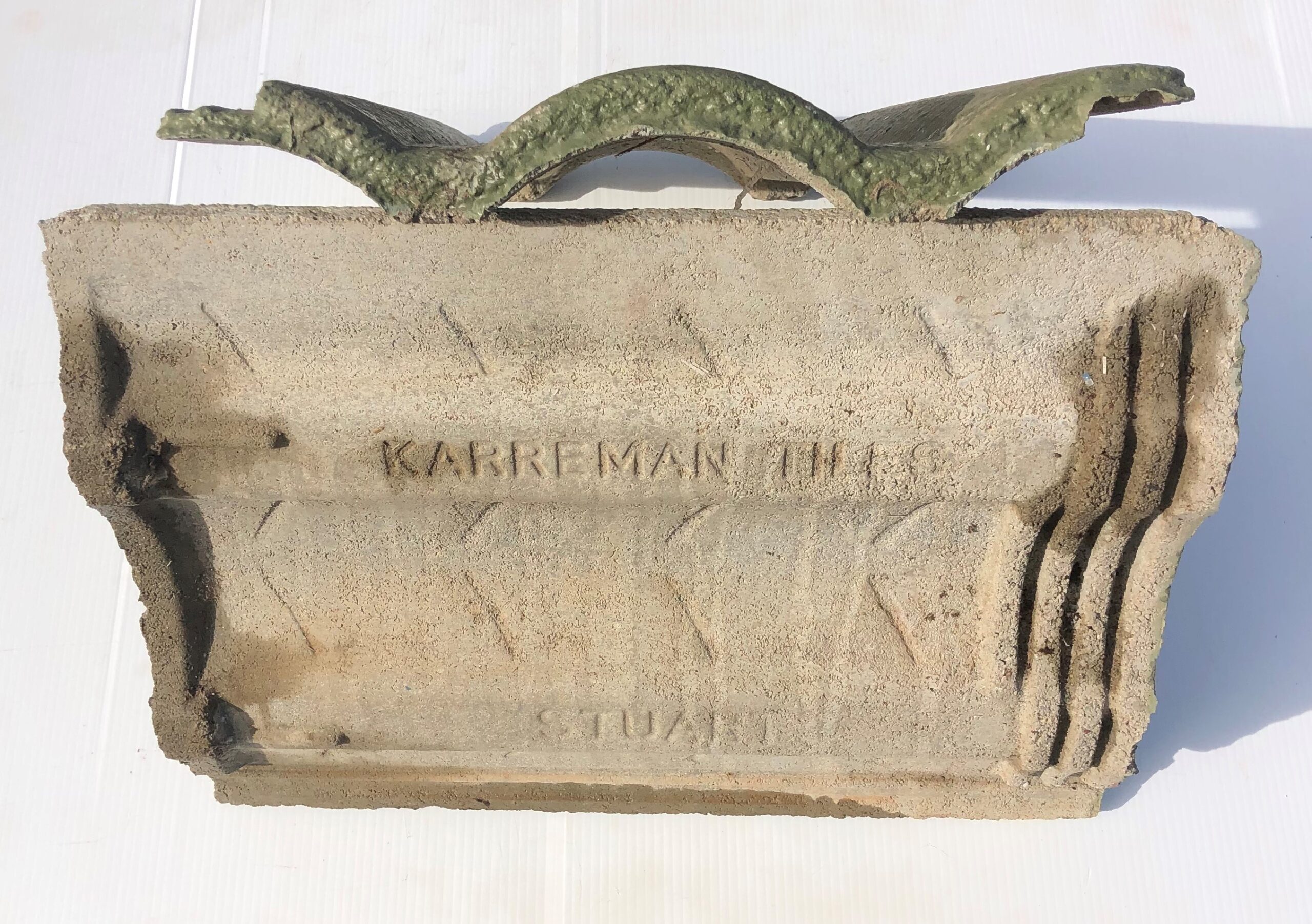
- Karraman-Stuart
What Are Discontinued Roof Tiles
Discontinued roof tiles are roofing tiles that are no longer produced by manufacturers. This can happen due to changes in moulds, factory closures, updated product lines, or reduced demand for certain profiles.
Many Australian homes built over the past few decades use concrete or terracotta roof tiles, which are now obsolete. While the roof itself may still be in good condition, replacing damaged tiles becomes difficult without access to reclaimed or second-hand roof tiles.
The challenge is not just availability. It ensures the replacement tile actually fits and performs correctly. Explore our Sydney roof tile matching service.
Why Discontinued Roof Tiles Are So Difficult to Replace
Roof tile matching is not just about finding something that looks similar.
Roof tiles are designed as part of a complete roofing system. Each tile has a specific profile, interlocking edge, and spacing requirement that allows water to flow correctly across the roof.
When the wrong tile is used, it can lead to poor alignment, gaps between tiles, and water ingress. This is why many roof repairs fail when incorrect replacements are installed.
The Real Industry Challenge Most People Miss
From years of working with roofers and builders, one thing becomes clear.
The biggest issue is not sourcing discontinued roof tiles. The biggest issue is identifying them correctly.
Most suppliers rely on visual comparison or general assumptions. This approach works for common tile profiles but fails with rare roof tile profiles or older roofing materials.
At Recycling Roof Tiles, identification is treated as a technical process. We assess:
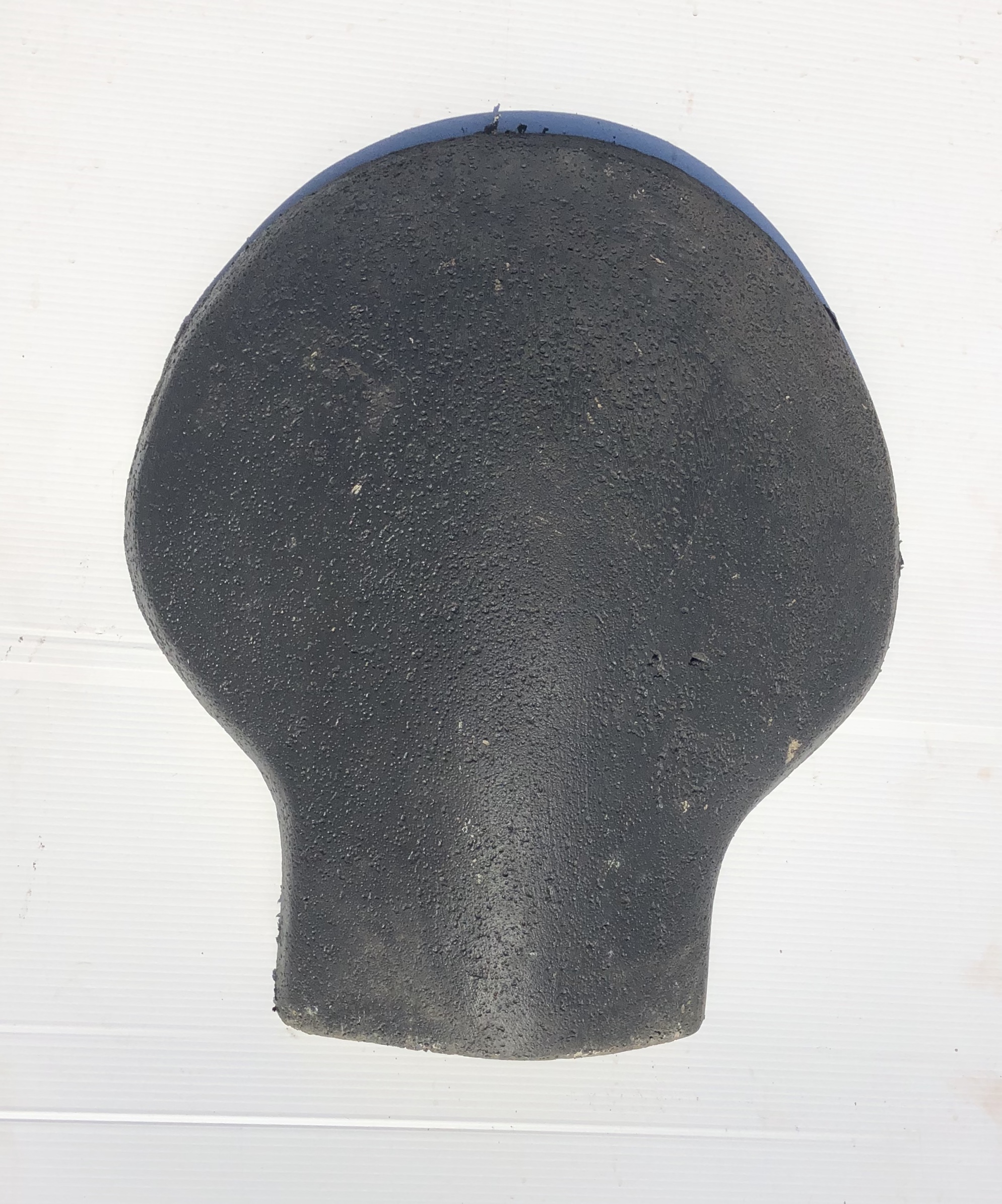
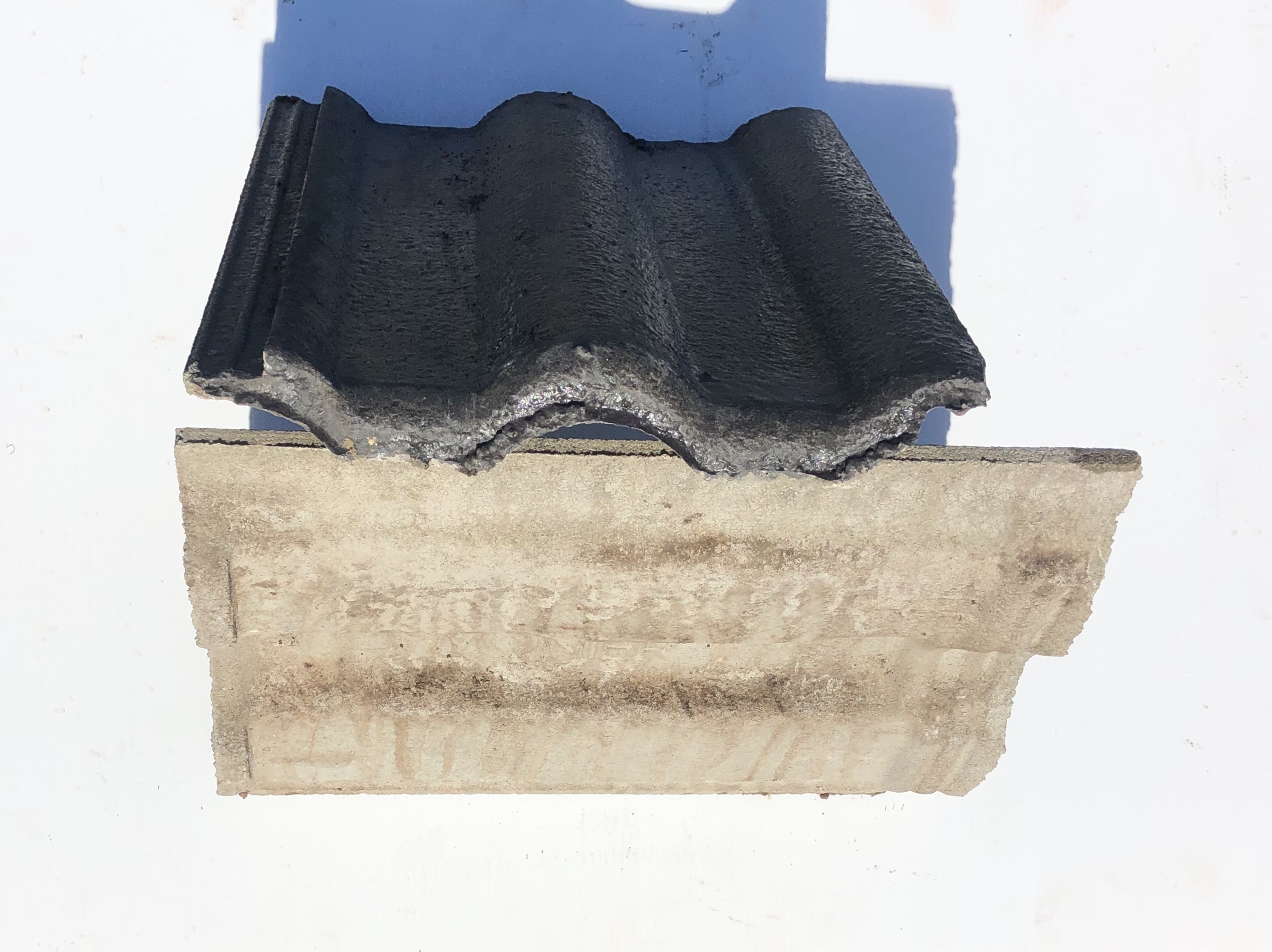
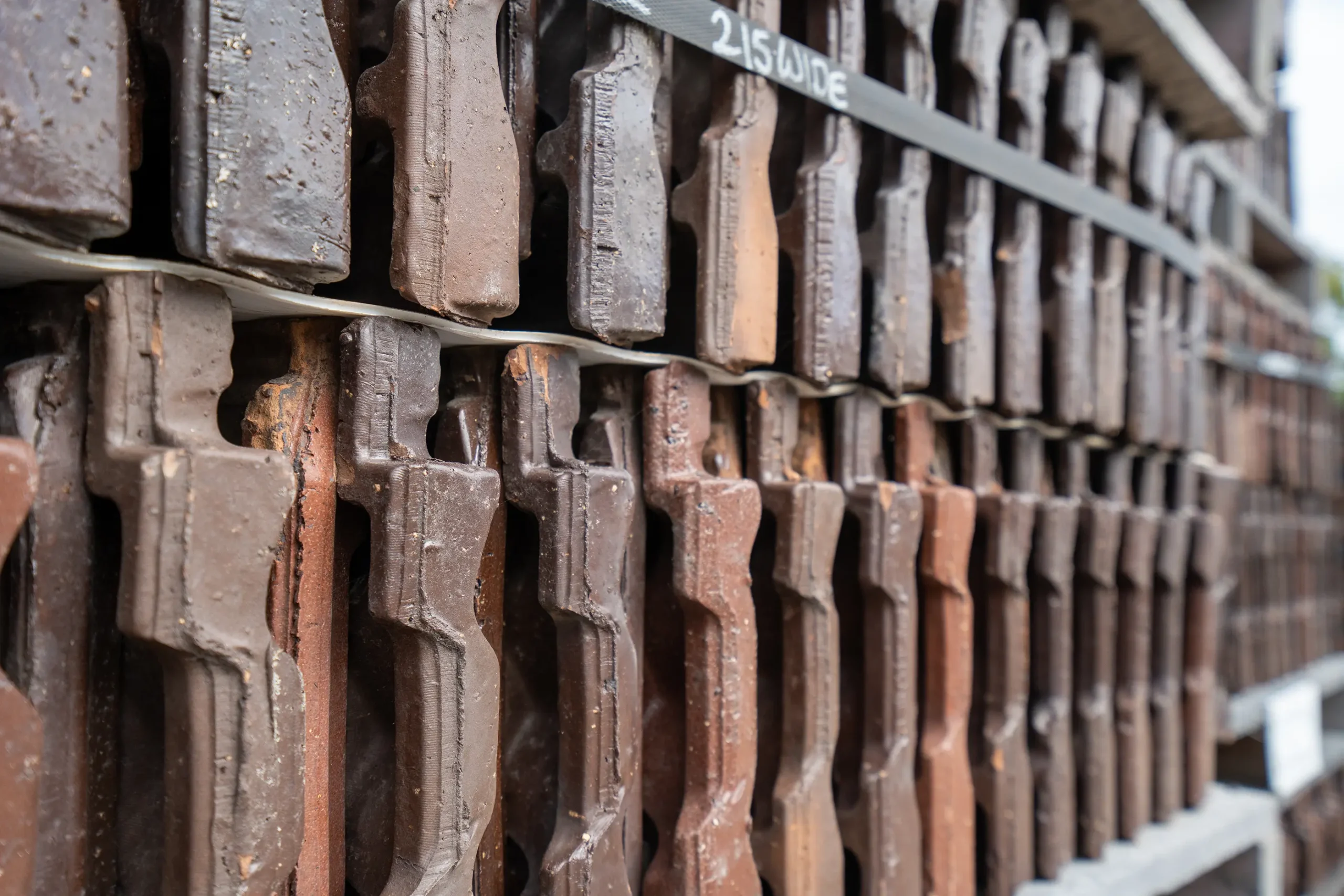
- the geometry of the tile profile
- the interlocking system and side locks
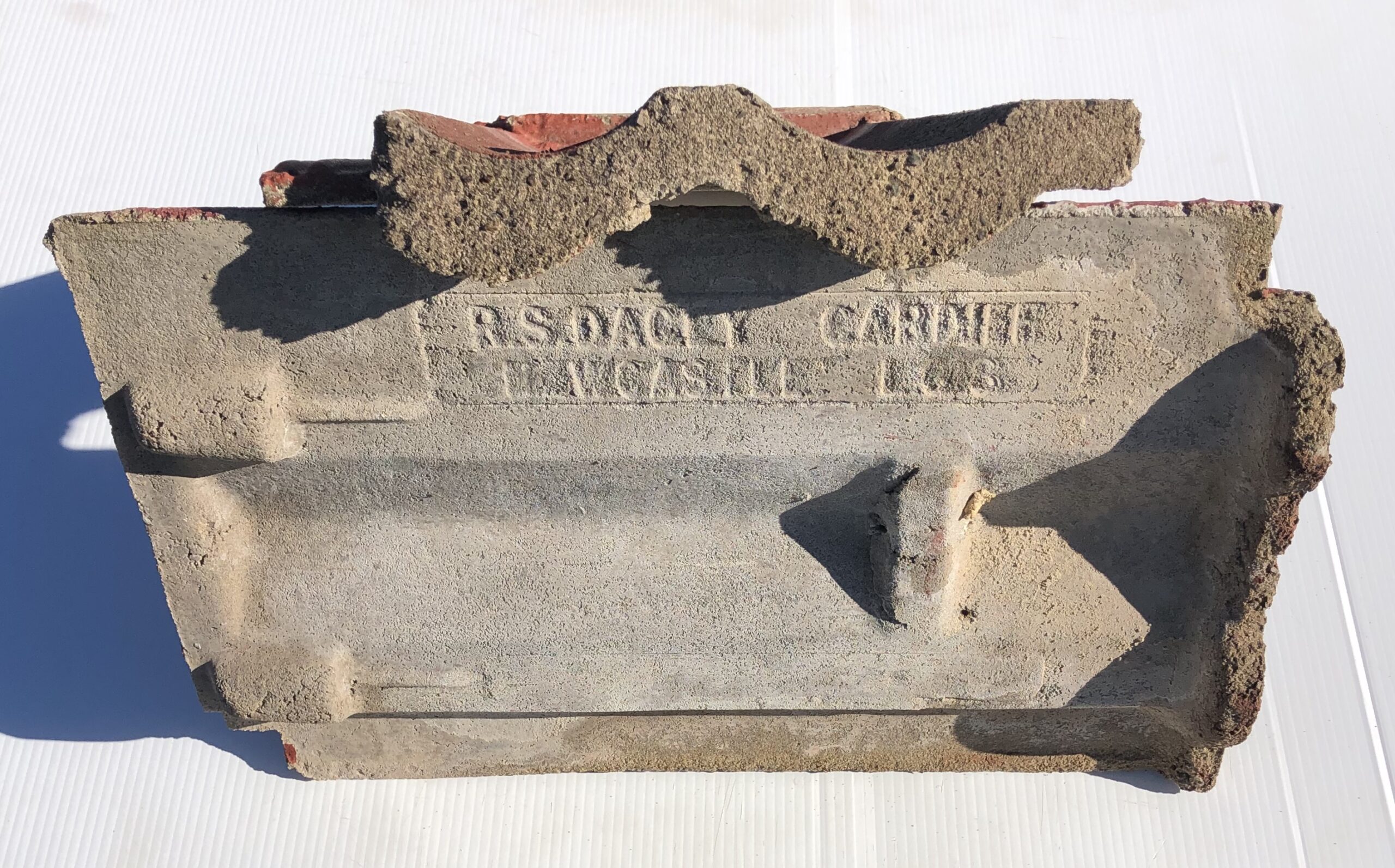
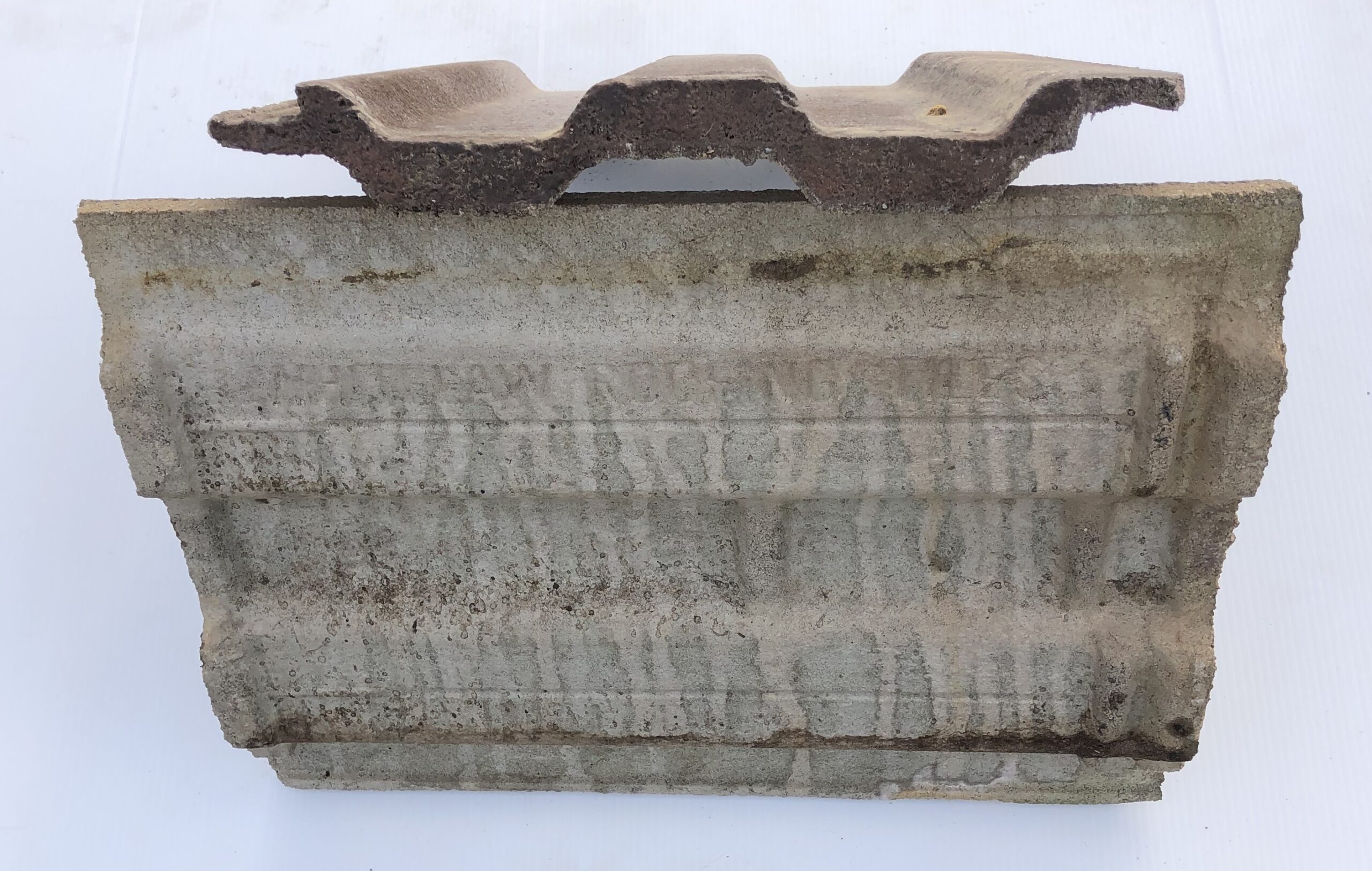
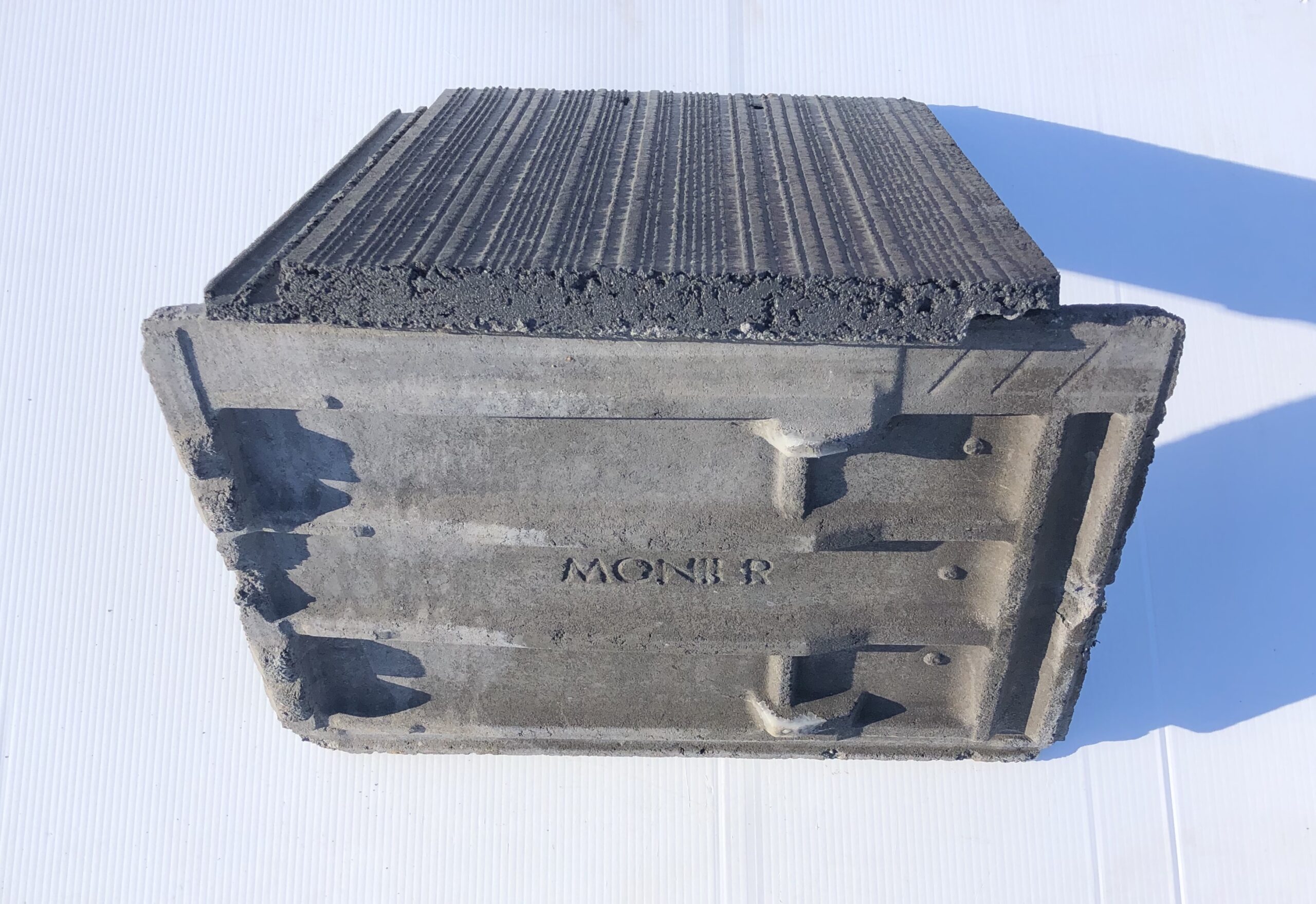
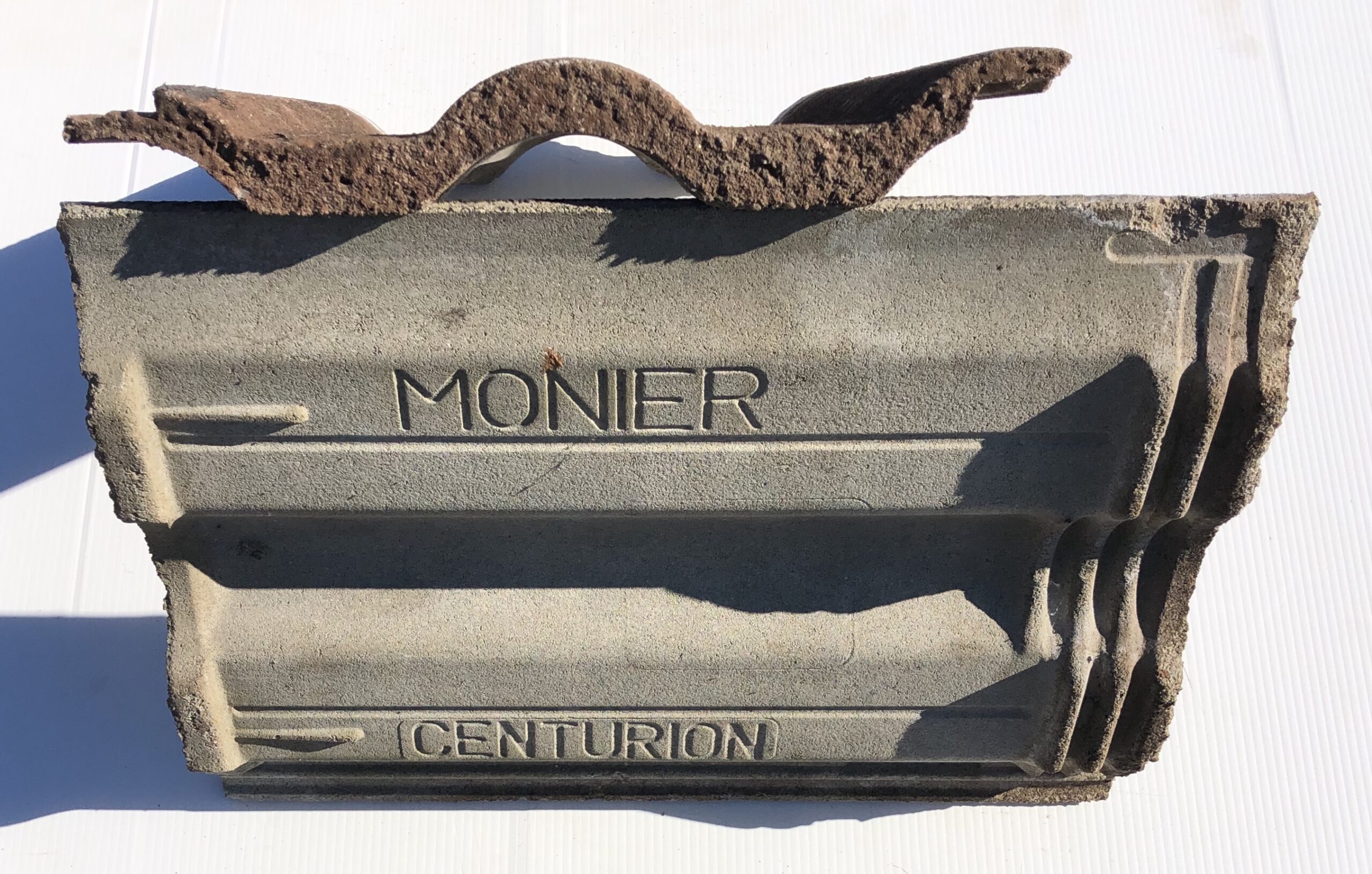
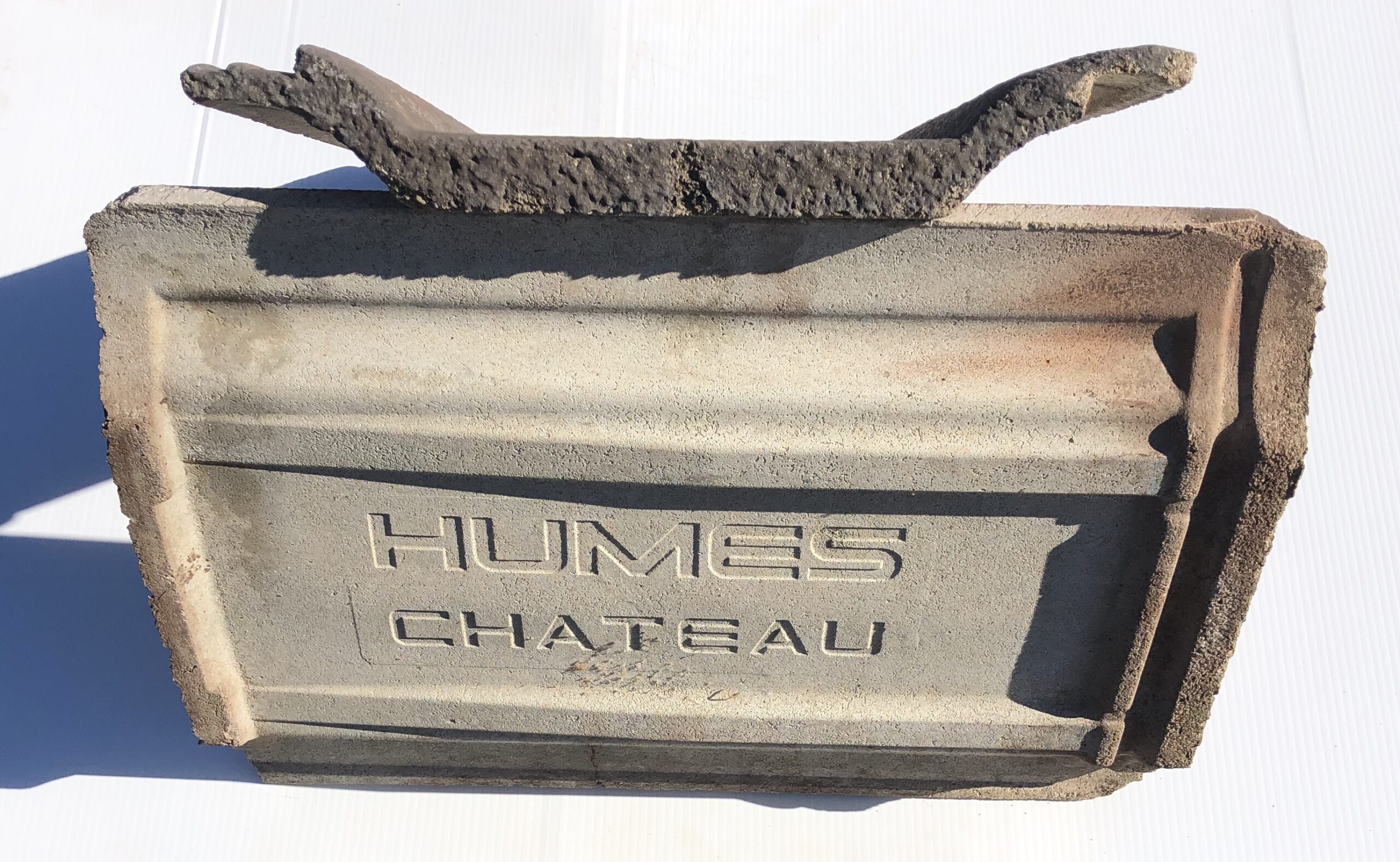
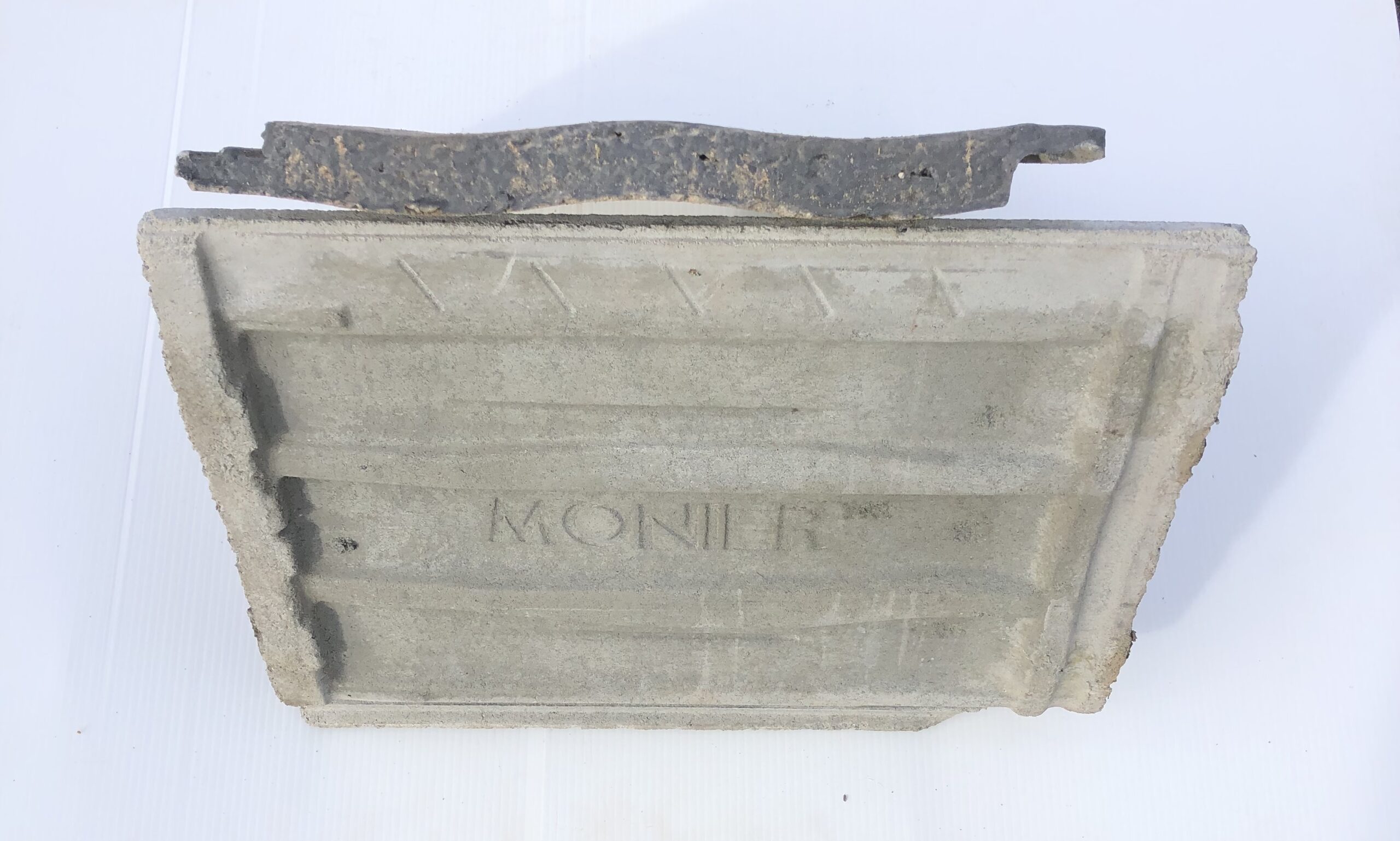
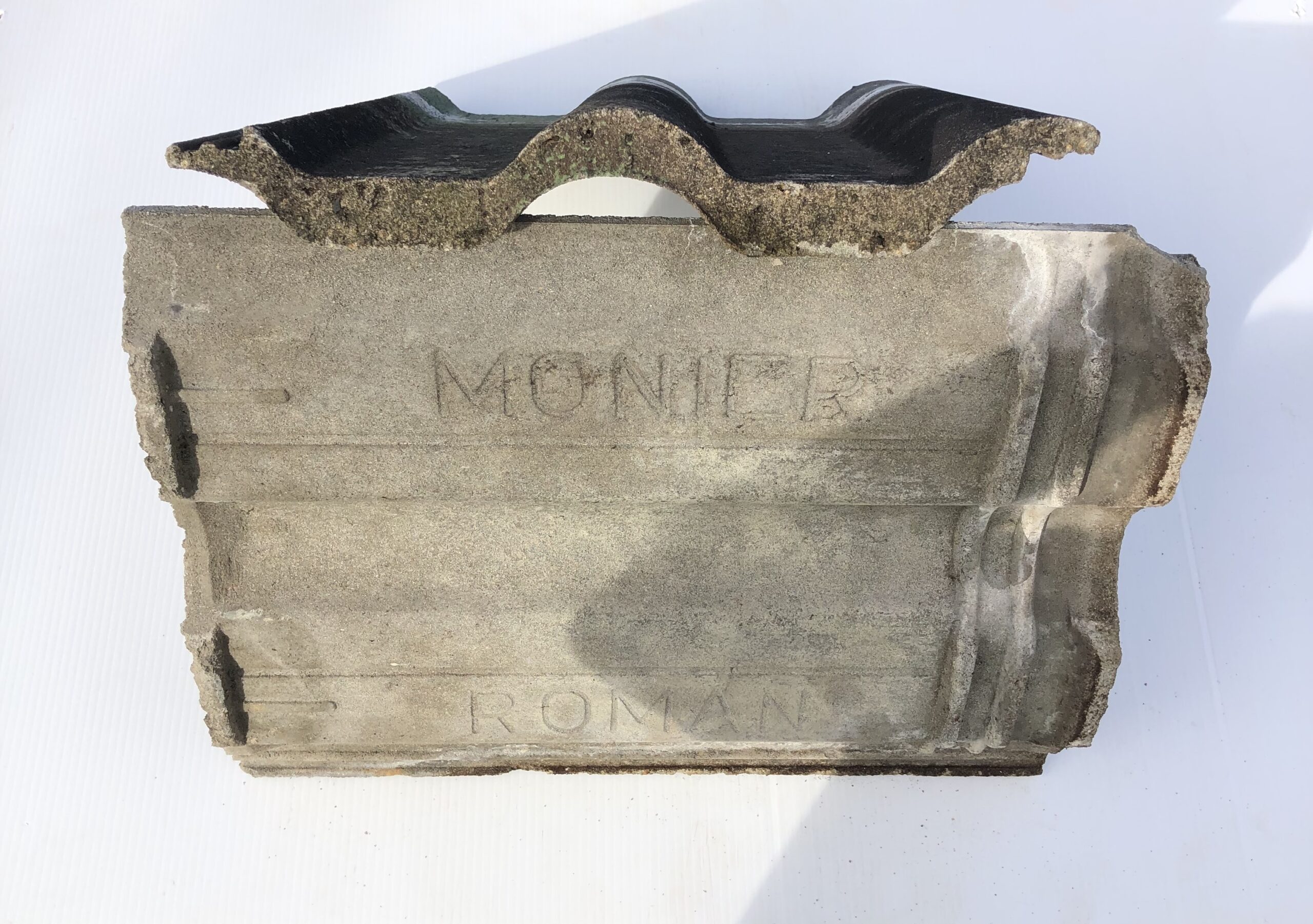
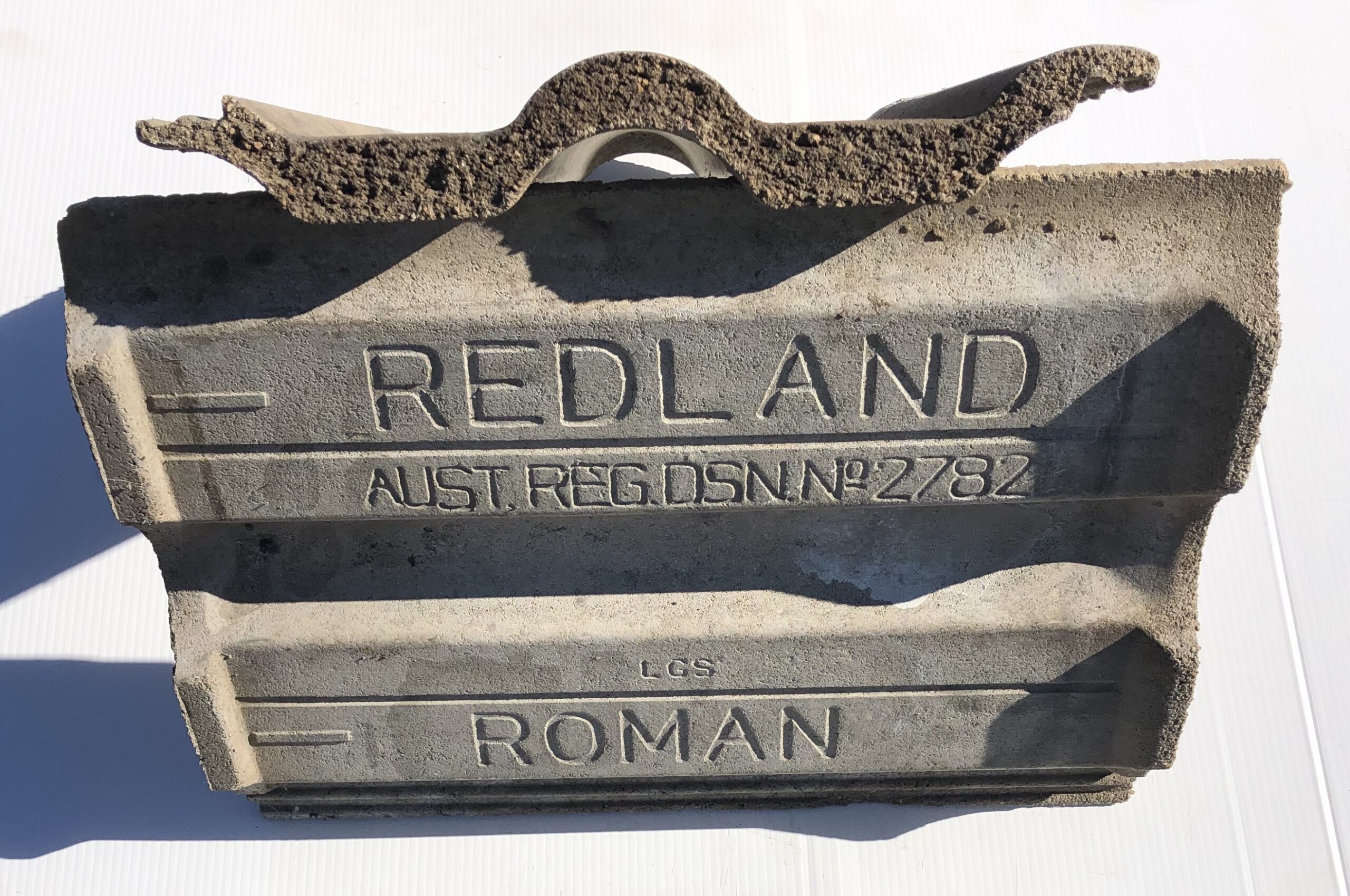
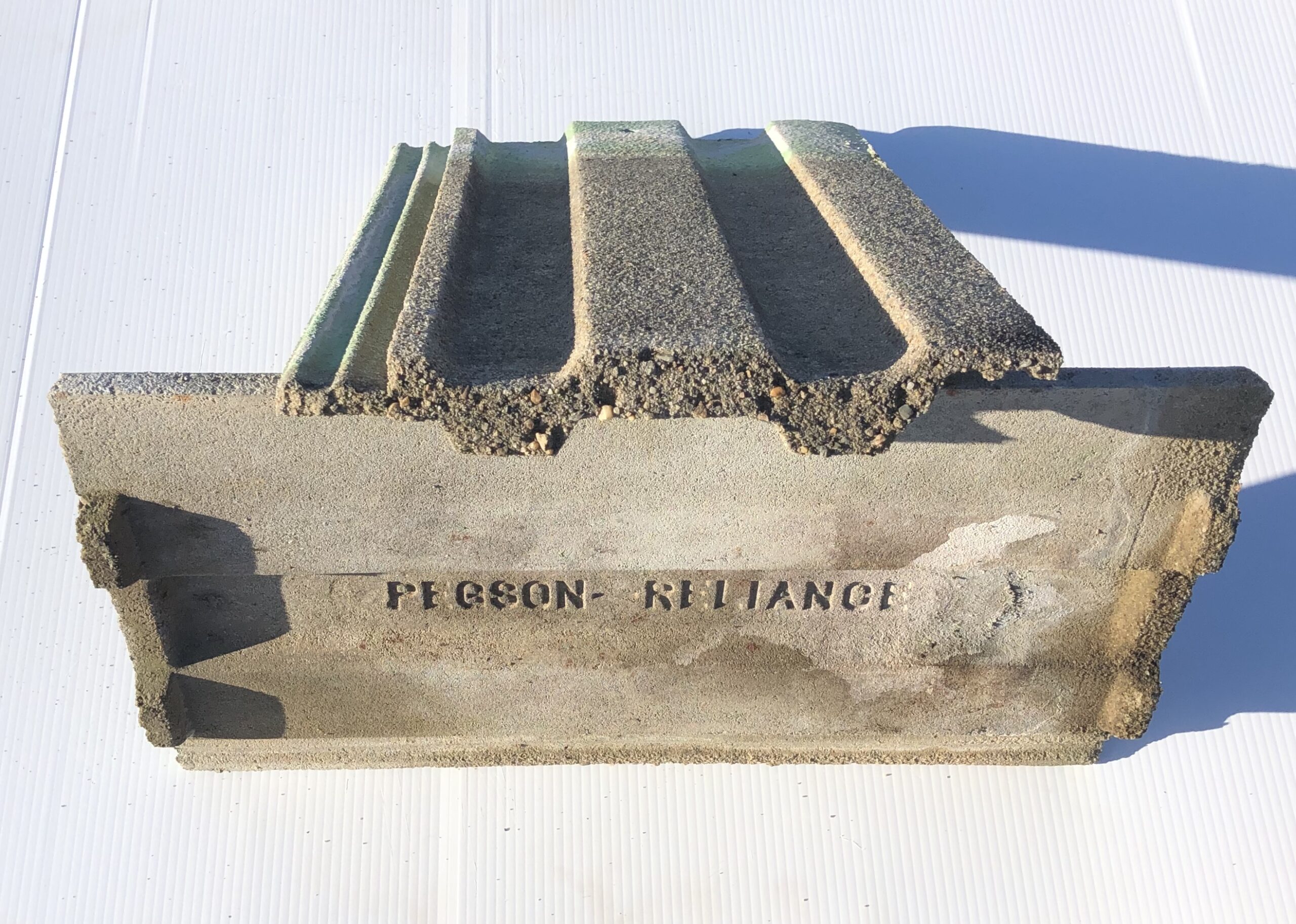
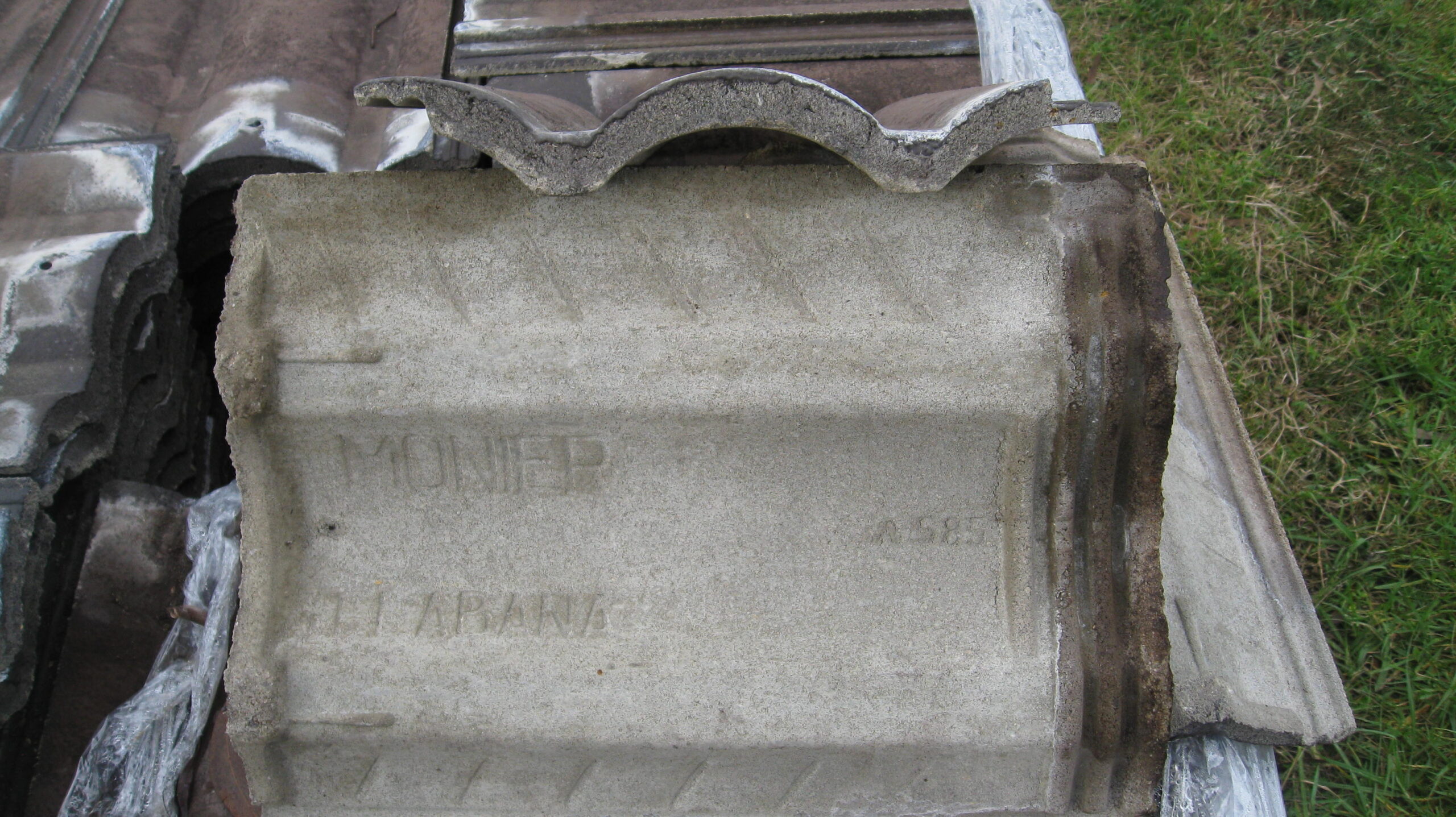
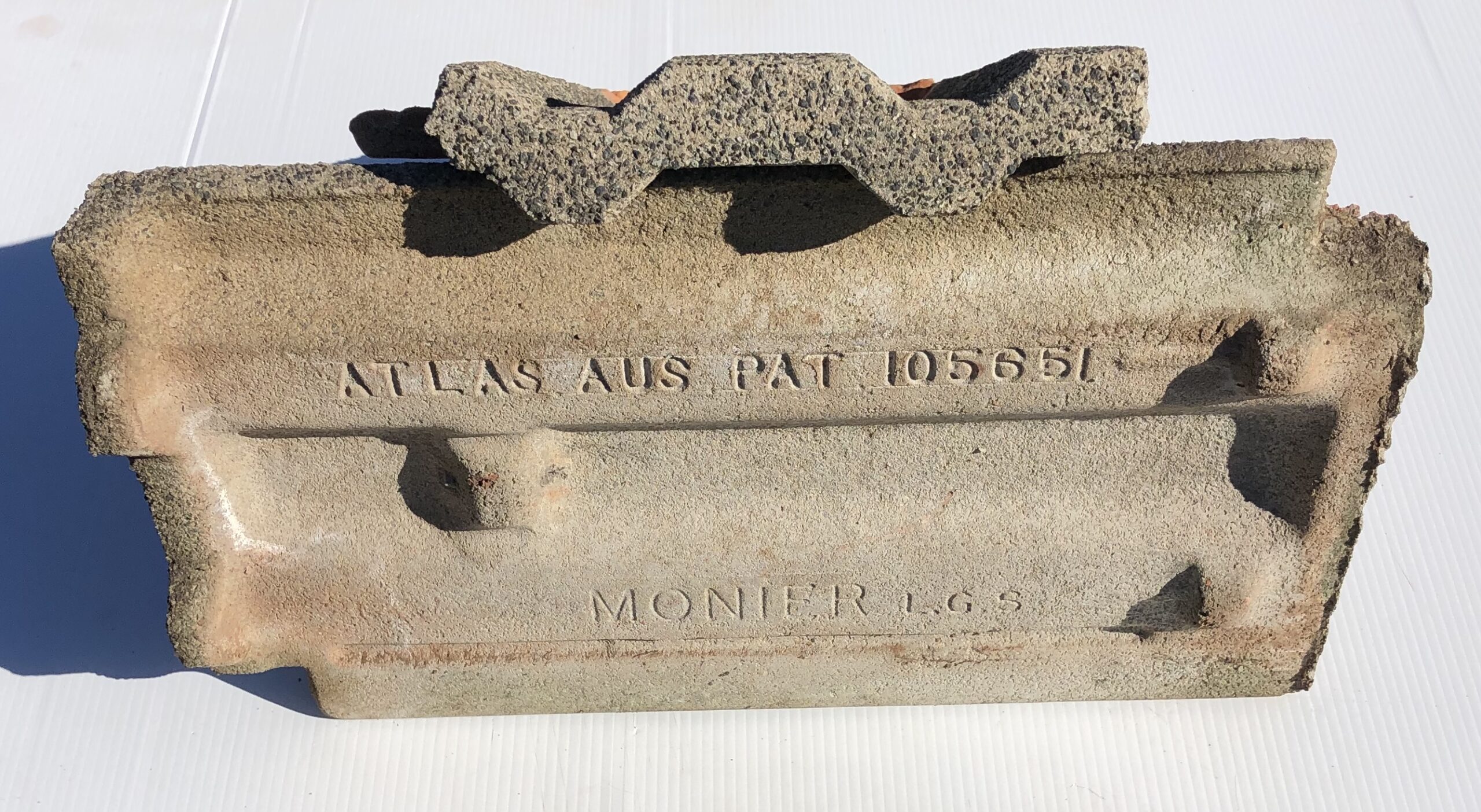
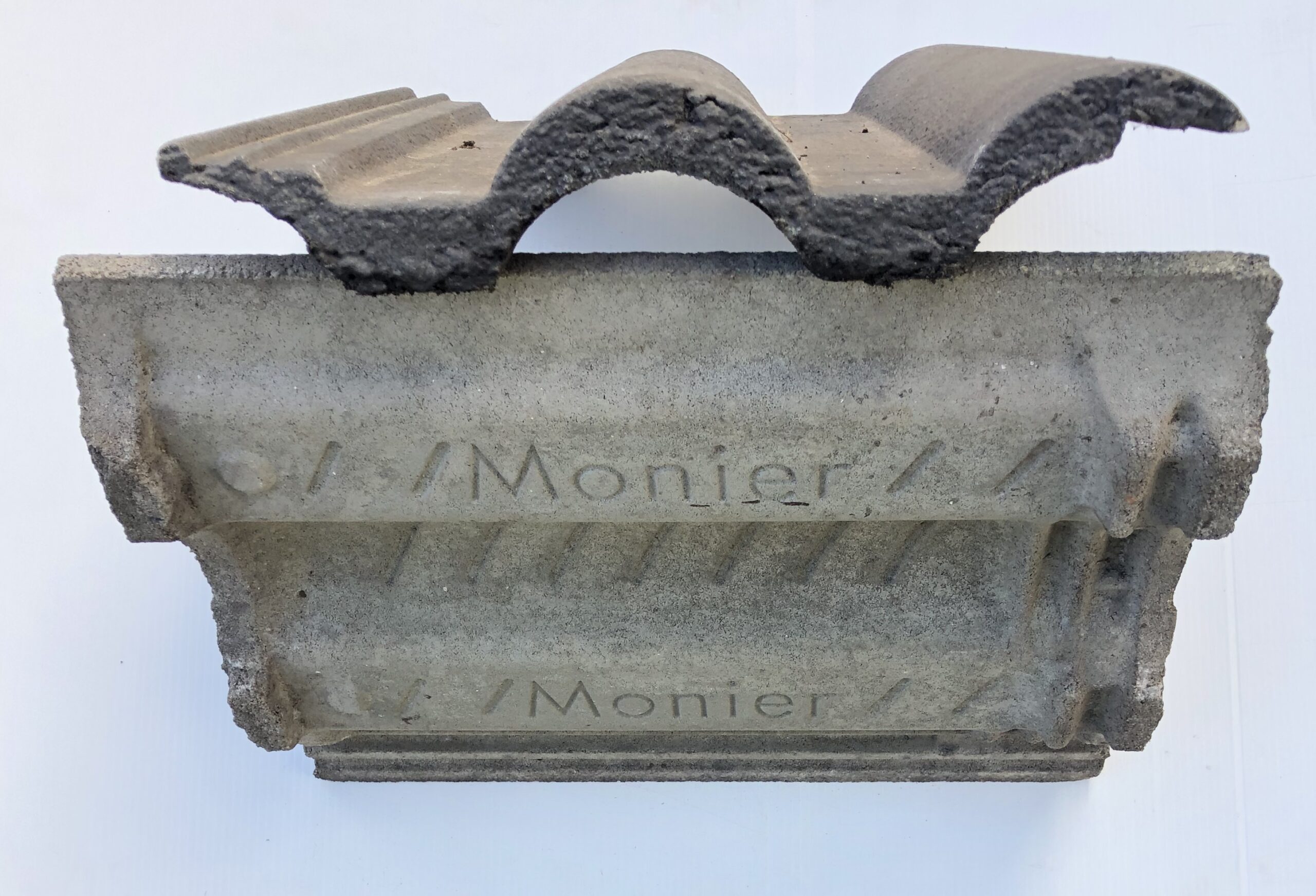
- manufacturer markings or stamps
- wear patterns from ageing and weather exposure
This allows us to accurately match roof tiles and avoid costly mistakes.
How Discontinued Roof Tiles Are Sourced
Once the tile has been properly identified, sourcing becomes much more efficient.
We use a combination of:
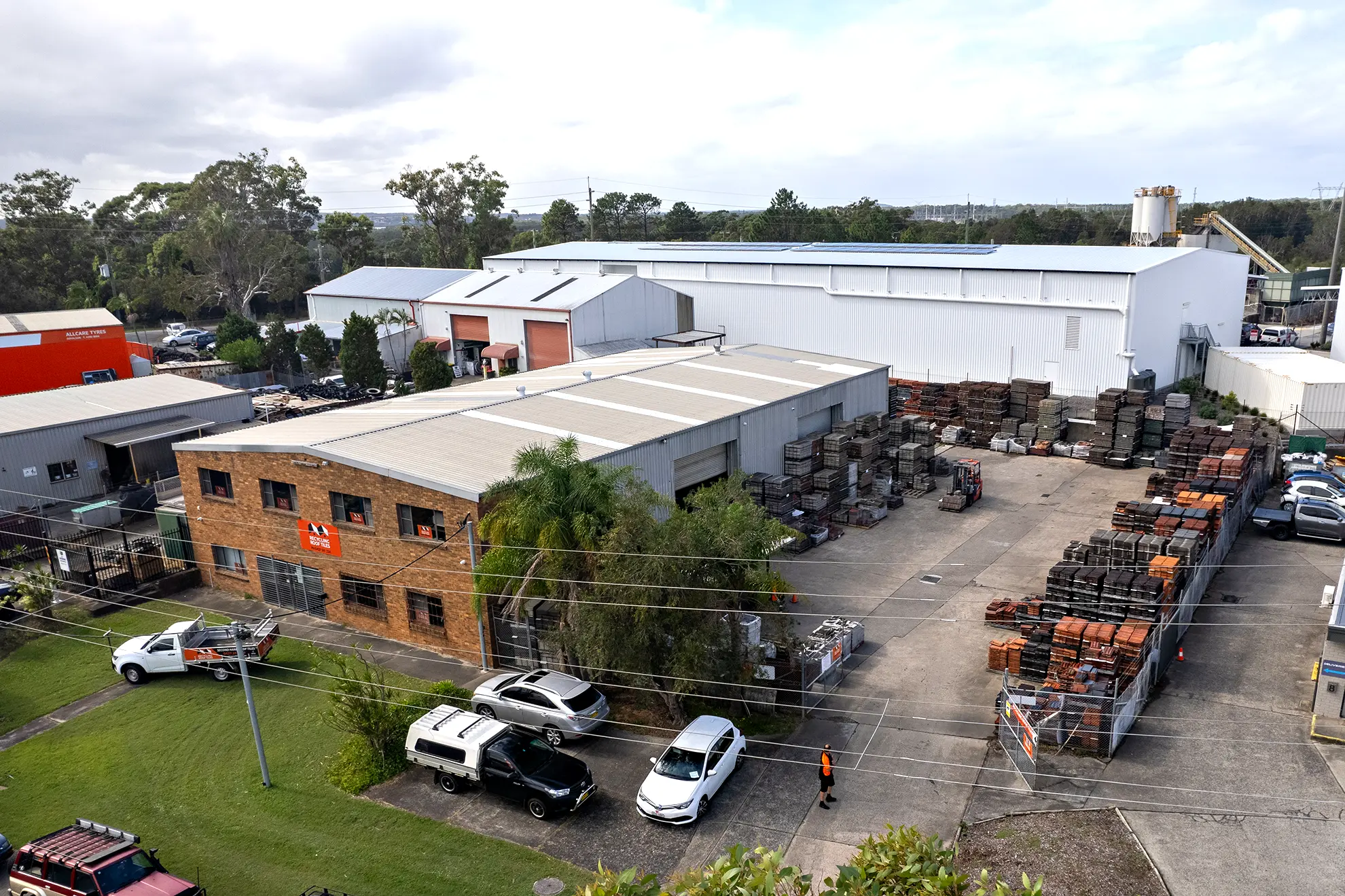
- our Central Coast warehouse stock
- recycled roof tile yards across NSW
- supplier networks and demolition recovery sources
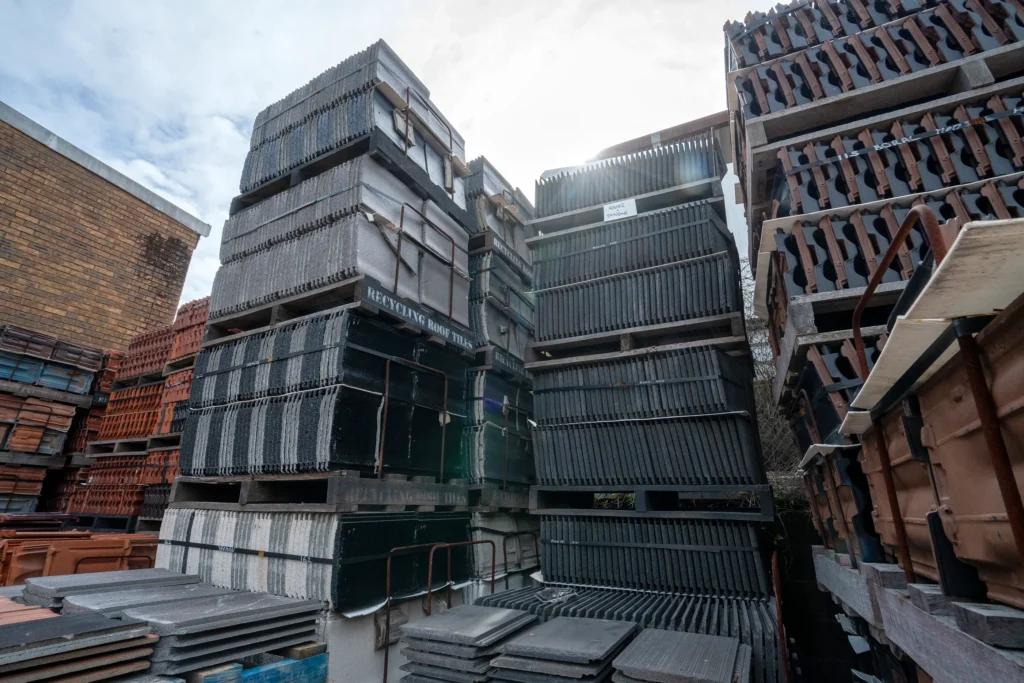
Because we specialise in reclaimed roof tiles, we often have access to discontinued roof tile stock that is not available through traditional suppliers.
In many cases, tiles that seem impossible to find become available once the correct profile is identified.
Recycling Roof Tiles
5 Reasons Why Builders and Roofers Choose Recycling Roof Tiles
Choosing the right supplier for discontinued roof tiles is not just about availability. It is about accuracy, reliability, and having the confidence that the tiles will actually work once they are on the roof.
1) Deep Expertise in Tile Identification
The biggest challenge in sourcing discontinued roof tiles is not finding stock. It is identifying the correct tile in the first place.
Our team works with tile profiles every day and understands the subtle differences between manufacturers, production eras, and interlocking systems. We do not rely on guesswork or visual similarity. Each tile is assessed based on its profile geometry, underside characteristics, and compatibility with existing roofing systems.
2) Access to a Large Network of Reclaimed Tiles
Unlike standard suppliers, we do not rely on current production lines. Our focus is on reclaimed and second-hand roof tiles sourced from across New South Wales.
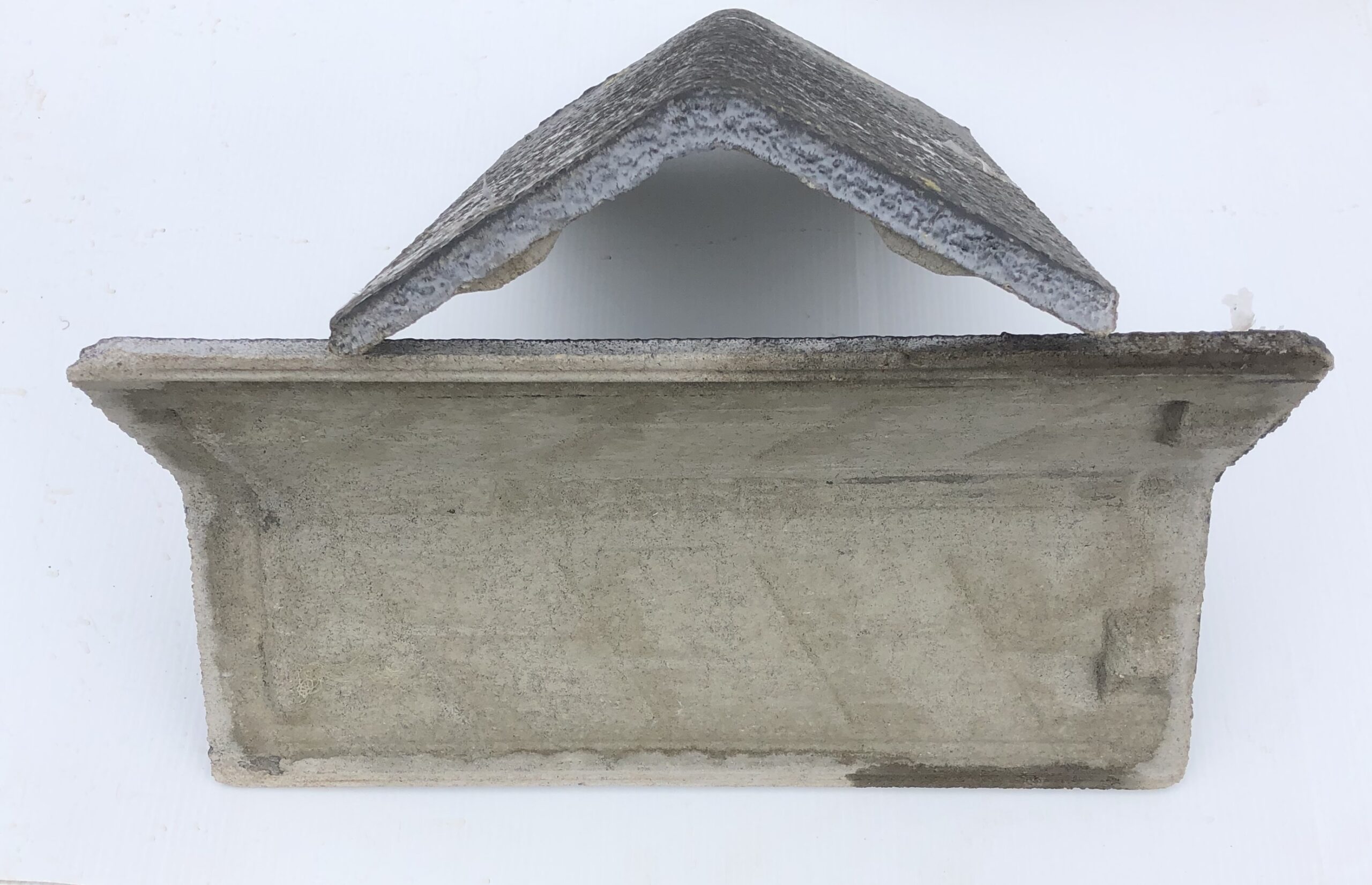
With a large on-site inventory and access to a wide network of suppliers, we can locate discontinued and hard-to-find tiles that are no longer available through traditional channels. This includes older concrete roof tiles, terracotta profiles, and matching accessories such as ridge caps and barge caps.
Because we specialise in recycled materials, we are often able to supply tiles that other companies simply cannot source.
3) Proven Industry Experience
With decades of combined experience in roofing and tile supply, our team has worked across a wide range of projects, from small residential repairs to large-scale extensions and restorations.
This experience means we understand how different roof tile profiles behave in real conditions, how older tiles were manufactured, and what is required to achieve a proper match. We have seen firsthand what happens when incorrect tiles are used, and we know how to avoid those issues.
For builders and roofers, this provides confidence that the supplied tiles will not just look right but also perform correctly once installed.
4) Fast Turnaround for Time-Sensitive Projects
Roof repairs and construction timelines often depend on quickly sourcing the right materials. Delays in finding matching tiles can hold up entire projects and increase costs.
Because we maintain a large inventory and have established supplier relationships across New South Wales, we can respond quickly to most enquiries. In many cases, tiles can be identified and sourced within a short timeframe once clear information is provided.
This responsiveness is particularly valuable for urgent repairs and projects where time constraints are a key factor.
5) Honest Advice Backed by Real-World Knowledge
Not every tile can be matched perfectly, and we believe it is important to be upfront about that from the beginning.
Our approach is to provide clear, practical advice so you can make the right decision for your project.
Whether that involves sourcing an exact match, selecting a compatible alternative, or adjusting the approach to achieve a better overall result, we focus on what will work best in the long term.
Find Your Discontinued Roof Tile Today
If you have been told your roof tile is no longer available, there is a strong chance it can still be sourced or matched correctly. The key is proper identification and access to the right network. Send us a photo of your roof tile, and let our team find the best available match.
Give us a call on 0427 241 224 or complete the contact form here.
Discontinued Tile FAQs
How do I accurately identify a discontinued roof tile profile?
Accurate identification requires analysing more than just the visible surface. A roof tile must be assessed based on its profile geometry, side interlock configuration, head lap, and batten gauge compatibility. The underside of the tile often contains manufacturer markings, codes, or design features that indicate the original production line. Without this level of analysis, visually similar tiles can be incorrectly selected, leading to poor fitment and water ingress. This is why professional identification using photos of the top, underside, and side profile is essential.
Why is batten spacing critical when matching roof tiles?
Batten spacing, also known as the tile gauge, determines how tiles sit and overlap across the roof. Each tile profile is designed to work within a specific gauge range. If a replacement tile does not align with the existing batten spacing, it will not seat correctly, which can cause gaps, misalignment, or reduced weatherproofing. Even a small variation in gauge can affect the performance of the entire roofing section, making it a key factor in successful tile matching.
Can two roof tiles with a similar appearance still be incompatible?
Yes, and this is one of the most common issues in roof tile replacement. For example, two Monier tiles may appear almost identical from a visual perspective but differ in interlocking edge design, profile depth, or lug position. These differences affect how the tiles lock together and distribute load across the roof. Using incompatible tiles can result in uneven courses, compromised water shedding, and long-term structural issues.
What role does tile porosity and ageing play in matching?
Older roof tiles, particularly terracotta and concrete tiles, undergo natural ageing that affects both colour and porosity. Over time, exposure to UV radiation and environmental conditions alters the surface texture and absorption characteristics of the tile. Recycled tiles from the same era will have similar ageing patterns, allowing them to blend more effectively and perform consistently. New tiles, even if close in colour, often lack this ageing and can stand out visually while behaving differently under moisture conditions.
Are discontinued roof tiles structurally reliable for reuse?
Yes, provided they have been properly inspected and graded. Many older roof tiles were manufactured to high durability standards and can remain structurally sound for decades. The key is ensuring that reclaimed tiles are free from cracks, warping, or excessive wear that could compromise performance. A reputable supplier will assess each tile before supply to ensure it is suitable for reuse in roofing applications.
How do you match roof tiles for extensions without visible differences?
Matching tiles for extensions requires both profile accuracy and visual blending. The correct tile profile must first be identified to ensure compatibility with the existing roof structure. From there, colour variation is managed by sourcing tiles with similar ageing or by distributing new tiles across the roof to reduce contrast. In some cases, roof coatings may be applied to achieve a more uniform appearance after installation.
What happens if an exact match for a discontinued tile cannot be found?
When an exact match is unavailable, the focus shifts to selecting a compatible alternative. This involves choosing a tile with a similar profile, interlock system, and gauge range to ensure proper fitment. The tiles are then installed using blending techniques to minimise visible differences. The priority is always maintaining structural performance first, followed by achieving the best possible visual outcome.