TERRACOTTA ROOF CARE GUIDE
The most common advice for cleaning terracotta roof tiles, pressure washing, is also the method most likely to damage them. High-pressure water strips the tile’s protective surface, forces moisture under the tiles, and often makes moss and lichen come back faster and thicker than before.
This guide explains why, what to use instead, and how to tell whether your roof needs a full clean, a light maintenance wash, or nothing at all.
Search “how to clean terracotta roof tiles” and most results, including older advice on this site, will tell you to hire or buy a pressure washer and hose the roof down. It is worth correcting: for most terracotta roofs, this is the wrong first move.
Terracotta tiles are fired clay. The surface that gives them their colour and much of their weather resistance is either a factory glaze or a naturally fired skin, and both are thinner and more easily damaged than most people assume. High-pressure water does not just remove dirt. On a terracotta roof, it can strip that surface entirely, and the damage does not reverse.
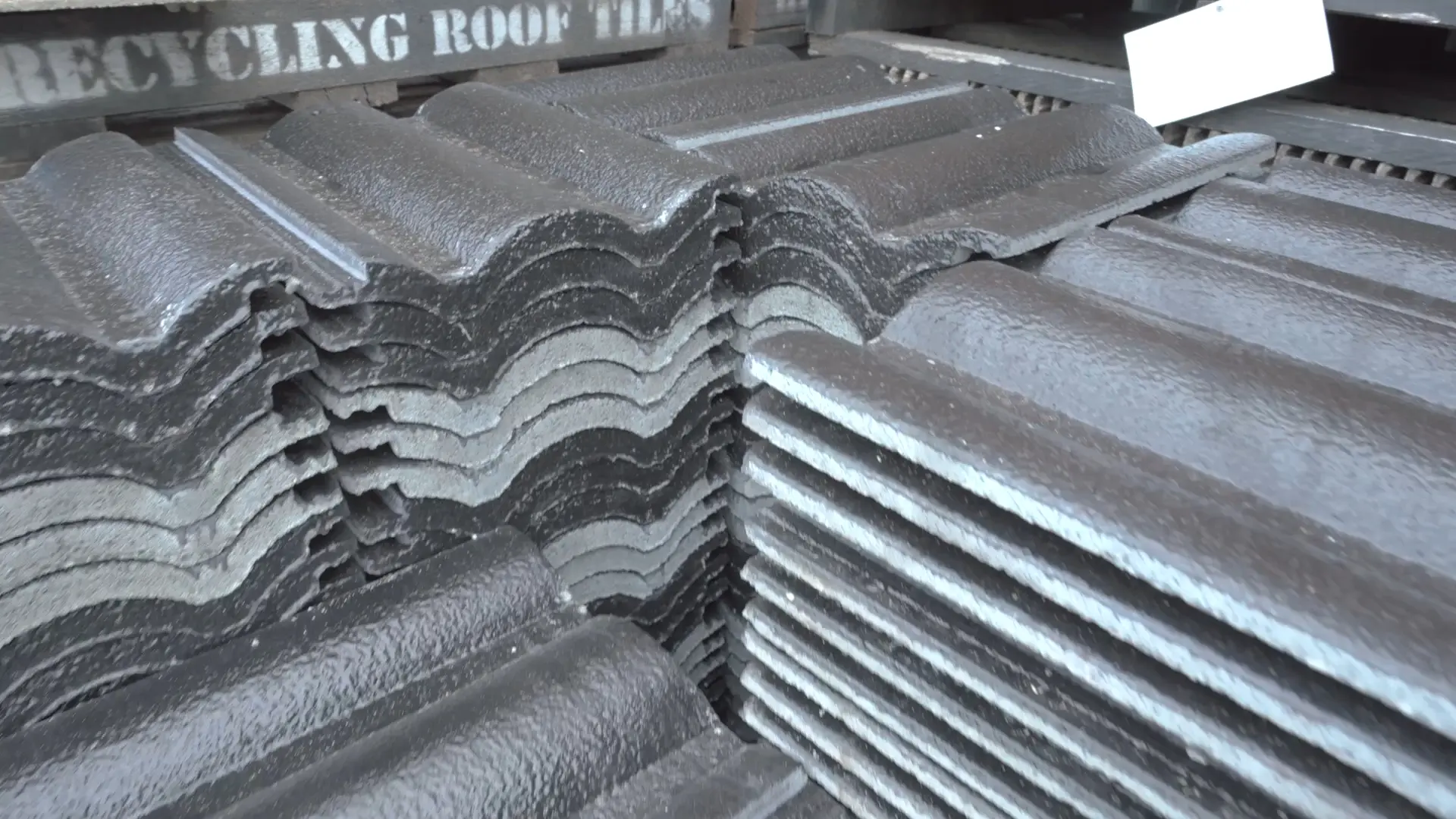
Recycling Roof Tiles supplies recycled terracotta roof tiles across NSW and regularly sources replacement tiles for roofs damaged during a clean gone wrong. This guide sets out the safer approach.
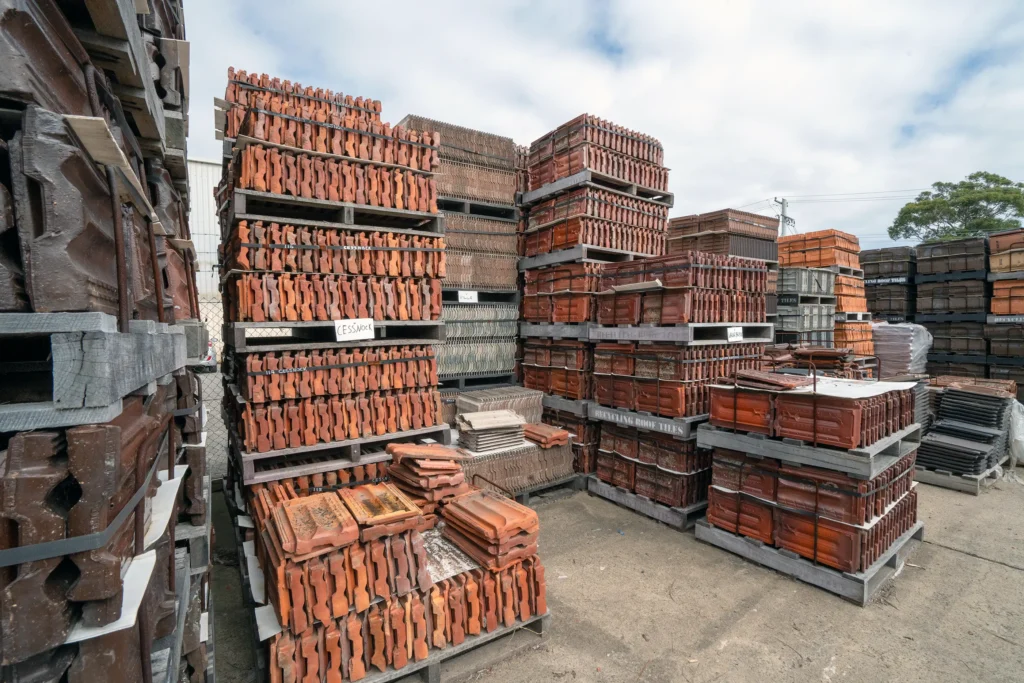
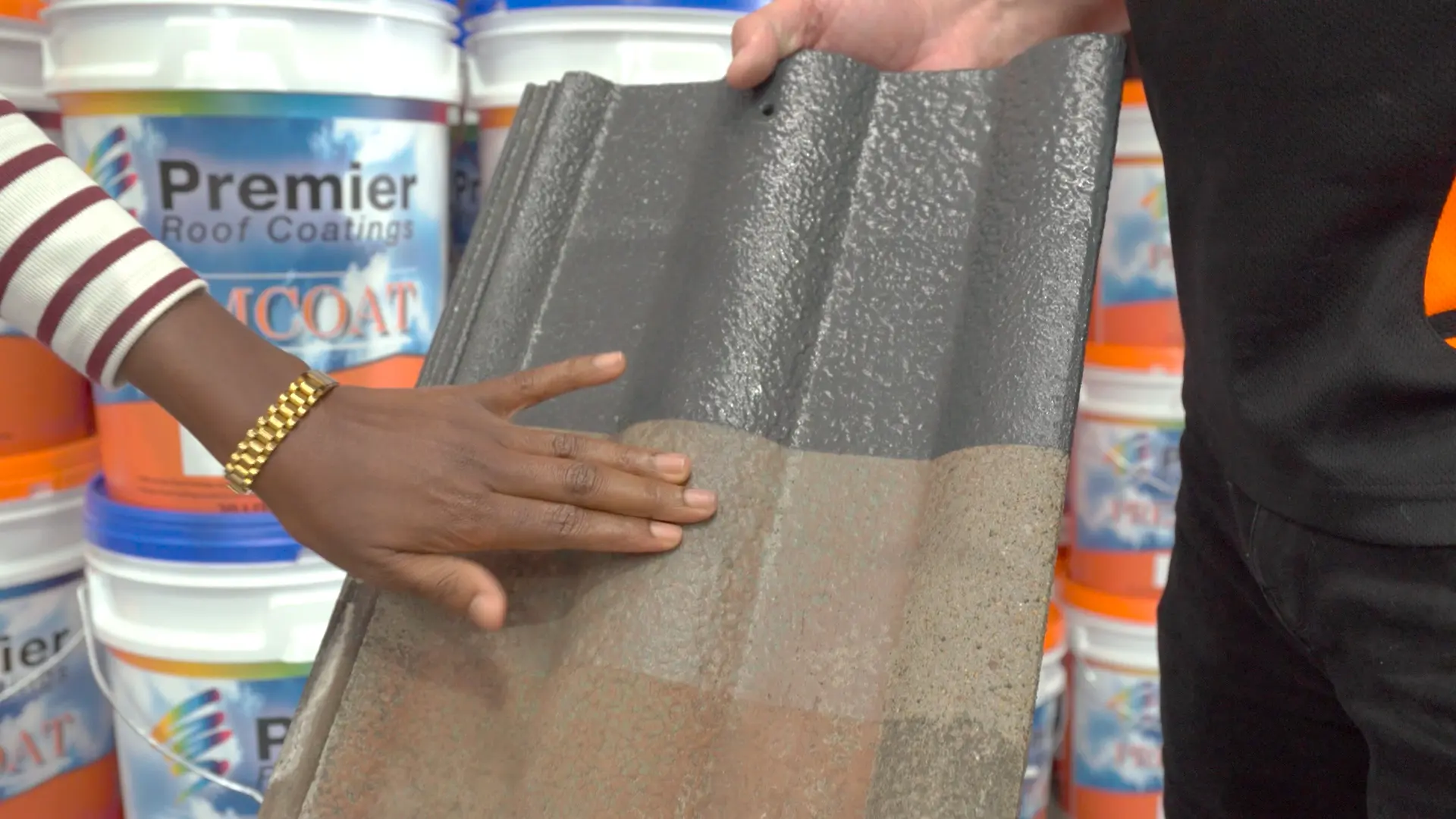
The surface finish on a terracotta tile, glazed or unglazed, is thinner and more easily removed than most people expect.
QUICK ANSWER
How Should You Actually Clean Terracotta Roof Tiles?
Most terracotta roofs are best cleaned with manual moss and debris removal followed by a low-pressure soft wash, not a pressure washer. Soft washing uses low water pressure, generally under about 1,200 PSI, sometimes combined with a mild biocide, to kill moss and algae at the root without stripping the tile surface.
High-pressure washing should be avoided on terracotta tiles. It can strip the protective glaze or fired surface, force water under the tiles into the roof space, dislodge or crack older tiles, and lead to faster moss regrowth on the newly exposed, more porous surface.
Why Pressure Washing Is the Wrong Default
Pressure washing looks like it works. The roof comes up visibly cleaner within minutes, and moss and lichen disappear from view. The problem shows up later, and it is largely irreversible.
Surface erosion. High-pressure water strips the tile’s protective finish, whether that is a factory glaze on glazed terracotta or the naturally fired outer layer on unglazed terracotta. Once that layer is gone, it cannot be restored. The tile is left more porous, which means it absorbs and holds more moisture than it did before.
Faster regrowth, not less. This is the part that surprises most people. A stripped, more porous surface actually encourages moss and algae to return faster and more thickly than before the clean, because the roughened surface gives spores more to grip onto. A roof that looked freshly cleaned can look worse within a year or two.
Water forced under the tiles. Rain falls vertically and runs off in the direction the roof was designed to shed it. A pressure washer sprays at angles and pressures rain never reaches, which can force water up under tile overlaps, into laps, and toward the roof space. This is one of the more common causes of a leak that only becomes obvious weeks or months after a roof clean.
Cracked, dislodged or broken tiles. Older terracotta tiles can be brittle. Direct high-pressure contact, or the physical act of walking the roof with pressure washing equipment, can crack tiles or knock them out of position.
Worth knowing: many tile manufacturers explicitly advise against high-pressure washing in their own maintenance guidance, and some warranties can be affected by damage caused during an aggressive clean. If your roof or tiles are still under any manufacturer warranty, it is worth checking the cleaning guidance before booking a pressure wash.
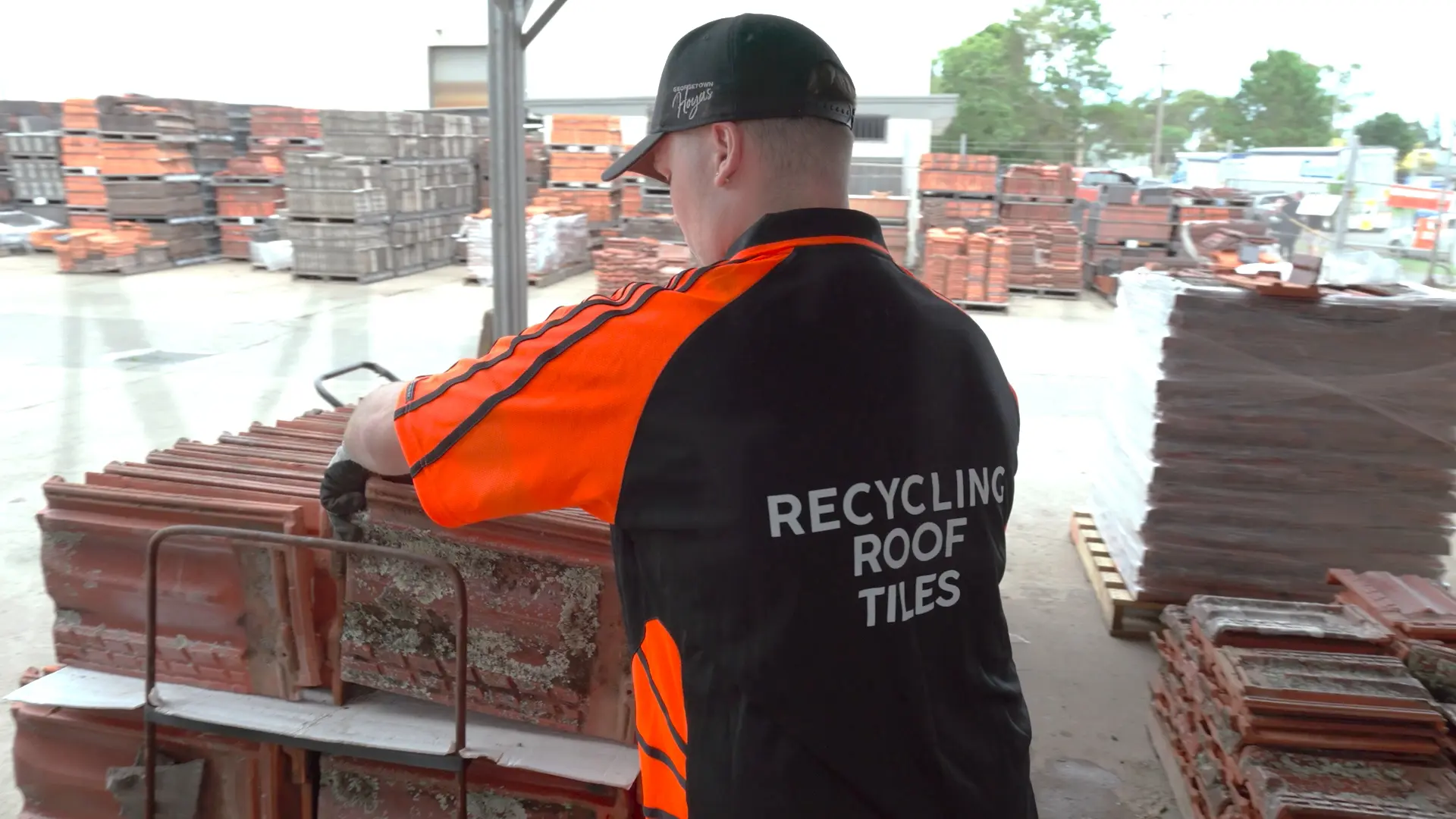
Once the fired surface of a terracotta tile is stripped by high pressure, the colour and finish cannot be restored to their original state.
Already had a tile crack or dislodge during a roof clean? We supply recycled terracotta tiles to match older and discontinued profiles.
Find a Matching TileWhat to Use Instead: Soft Washing and Manual Removal
The safer approach separates the physical debris from the biological growth, and treats each differently.
1. Remove Loose Debris by Hand
Leaves, twigs and loose organic matter should be cleared with a soft-bristled broom or by hand, not blasted off. This is also the point to check for cracked, loose or dislodged tiles before any water goes anywhere near the roof.
2. Hand-Remove Moss and Lichen
Moss and lichen growing directly on the tile should be lifted off manually, using a soft brush or a plastic scraper designed for roof use, not a wire brush or anything metal that can scratch the surface. This step alone removes most of the visible growth without any water pressure at all.
3. Soft Wash the Remaining Surface
A soft wash uses a garden hose or a pressure washer set to a genuinely low pressure, generally under around 1,200 PSI, applied with a wide fan tip rather than a concentrated jet. Some soft wash treatments use a mild biocide to kill remaining moss and algae spores at the root, so growth that has not fully lifted off dies and weathers away naturally over the following weeks rather than being blasted off immediately.
Work from the top of the roof down, following the direction water is meant to run, and never spray directly up under tile overlaps.
4. Reassess Before Repeating
Not every roof needs the same treatment every year. A roof in a shaded, damp position with overhanging trees will grow moss back faster than one in full sun, and needs more frequent light maintenance rather than one aggressive annual clean.
When Should a Roof Not Be Cleaned at All?
Some roofs are better left alone until other work is done first.
- Tiles that are already cracked, chipped or loose. Cleaning first and repairing later means water and cleaning pressure are applied to a compromised surface. Replace or repair damaged tiles first.
- A roof with already-stripped or heavily weathered surface. If the protective finish is already gone, no cleaning method restores it, and further pressure washing only makes the surface more porous.
- Roofs with failing ridge bedding or pointing. Water pressure directed near ridge and hip capping can dislodge already-weak mortar. Check bedding and pointing condition before cleaning near ridgelines.
If any of these apply, the cleaning conversation should wait until after repairs. Our guide to roof tile bedding and pointing covers how to tell whether ridge capping needs attention first.
Not sure if your roof is sound enough to clean, or needs tiles replaced first? A few photos usually answers it.
Send Us PhotosGlazed vs Unglazed Terracotta: Cleaning Differs Too
Not all terracotta tiles behave the same way once wet or under pressure.
Glazed terracotta has a fired ceramic glaze that gives it a smoother, often glossier surface and locks in colour more permanently. That glaze is a coating, not the tile itself, and pressure washing is what most commonly strips it. Once removed, the tile underneath is more porous and duller.
Unglazed terracotta relies on the natural fired clay surface for its colour and weather resistance. It is generally more porous to begin with, so it is even more vulnerable to holding moisture once that outer surface is disturbed.
In both cases, the safer approach is the same: manual removal and a genuine soft wash rather than high pressure. For the physical differences between glazed and unglazed terracotta, including how this affects coating and repainting decisions, see our guide to roof paint types for concrete, terracotta and metal.
Should You Seal or Coat Terracotta Tiles After Cleaning?
Sealing is sometimes suggested as a way to protect terracotta tiles after cleaning, but it is not always the right move, and it is not a substitute for choosing a gentler cleaning method in the first place.
Unglazed terracotta can sometimes be sealed with a product designed for that surface, but glazed terracotta needs a specific adhesion-promoting primer, since standard sealers and paints do not bond well to a glazed, low-porosity surface. Sealing over a surface that has been stripped by pressure washing does not restore the original finish, it simply adds a new layer on top of already-compromised tile.
If a roof coating is being considered as part of a broader restoration rather than a straightforward clean, that is a different decision with its own product requirements. See our full guide to roof paint types by substrate before choosing a sealer or coating system.
A Safe Cleaning Checklist
Before cleaning a terracotta roof, confirm:
- whether any tiles are already cracked, chipped or loose, and replace them first;
- whether ridge bedding and pointing are sound;
- that debris and moss are removed by hand and soft brush before any water is used;
- that any wash is genuinely low pressure, generally under around 1,200 PSI, with a wide fan tip;
- that water is directed from the top of the roof downward, never up under tile laps;
- whether the tiles are glazed or unglazed, since this changes both cleaning and any later sealing decision.
Working at Height Is the Real Risk
Every cleaning method on this page assumes safe access to the roof. Roof work carries a genuine fall risk regardless of which cleaning method is used. A secured ladder, appropriate footwear, and awareness of weather conditions matter as much as the cleaning technique itself. For most homes, engaging a professional with the right access equipment and insurance is the safer option over DIY roof access.
Terracotta Roof Cleaning FAQs
Can you pressure wash terracotta roof tiles?
It is not recommended. High-pressure washing can strip the tile’s protective glaze or fired surface, force water under the tiles, crack or dislodge older tiles, and lead to faster moss regrowth on the newly exposed surface. A low-pressure soft wash combined with manual moss removal is the safer approach for most terracotta roofs.
Why does moss come back faster after pressure washing a roof?
Pressure washing strips the tile’s outer protective surface, leaving it rougher and more porous. That rougher surface gives moss and algae spores more to grip onto, so growth often returns faster and more thickly than before the clean, even though the roof looked freshly cleaned immediately afterward.
What is soft washing and is it safe for terracotta tiles?
Soft washing uses low water pressure, generally under around 1,200 PSI, often combined with a mild biocide, to kill moss and algae at the root rather than blasting it off with force. It is considered a safer alternative to high-pressure washing for terracotta and other tile roofs, since it cleans without stripping the protective surface.
Can I clean terracotta roof tiles myself?
Manual debris and moss removal from ground-supported access can sometimes be done carefully, but working directly on a tiled roof carries a genuine fall risk and can also damage tiles underfoot. For most homes, a professional with the correct access equipment, insurance and a soft-wash method is the safer option.
Should I clean my terracotta roof every year?
Not necessarily. How often a roof needs cleaning depends on shade, moisture, and surrounding vegetation. A shaded roof under overhanging trees will need more frequent light maintenance, while a roof in full sun may go longer between cleans. Regular light maintenance is generally safer than one aggressive annual clean.
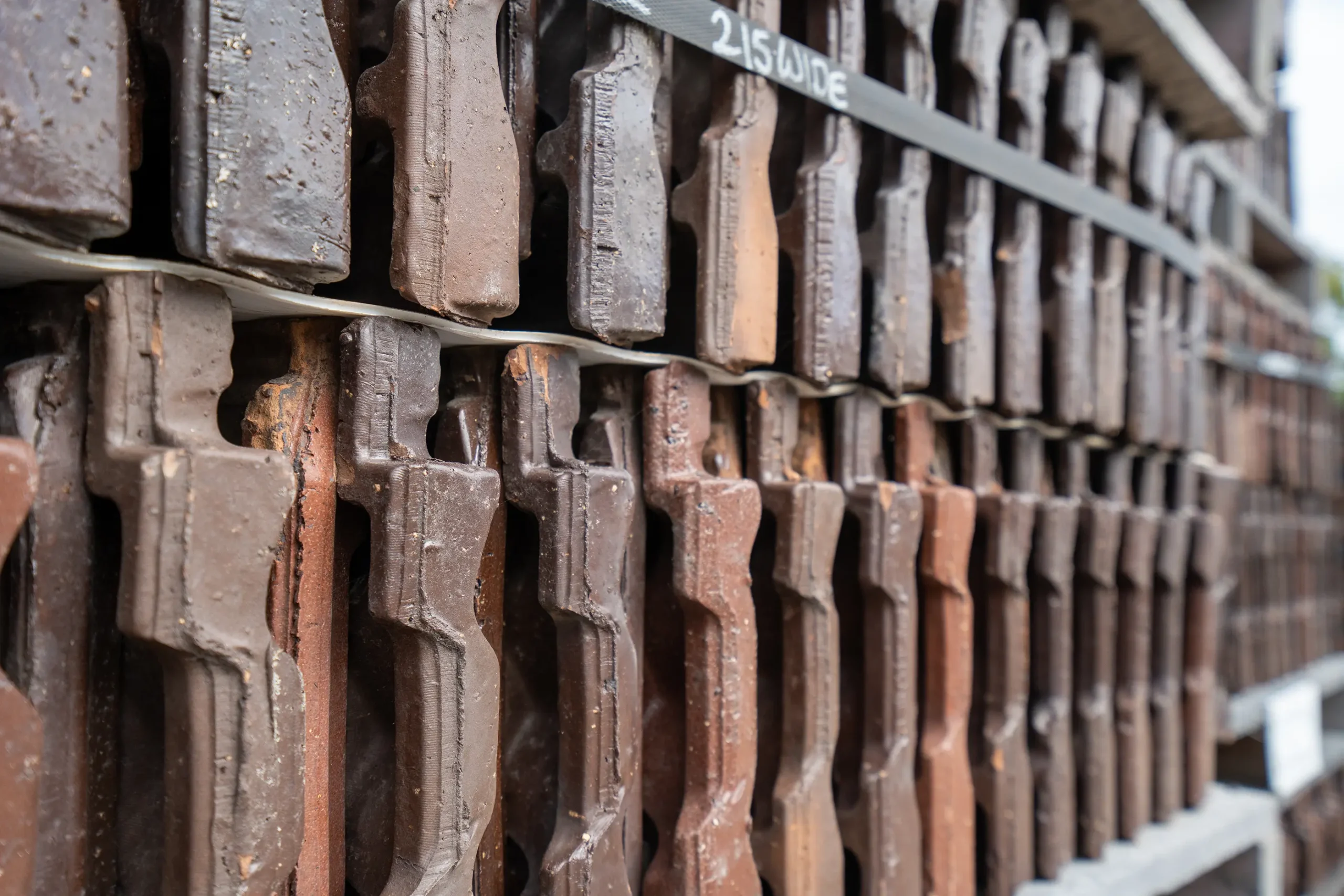
Recycling Roof Tiles supplies matching terracotta tiles for repairs, including replacing tiles cracked or dislodged during a roof clean.
DAMAGED TILES FROM A ROOF CLEAN?
We Match and Supply Replacement Terracotta Tiles
If a roof clean has cracked, chipped or dislodged tiles, or stripped an older roof’s surface badly enough that matching new stock is needed, we can help. Recycling Roof Tiles sources recycled terracotta tiles across NSW, including older and discontinued profiles.
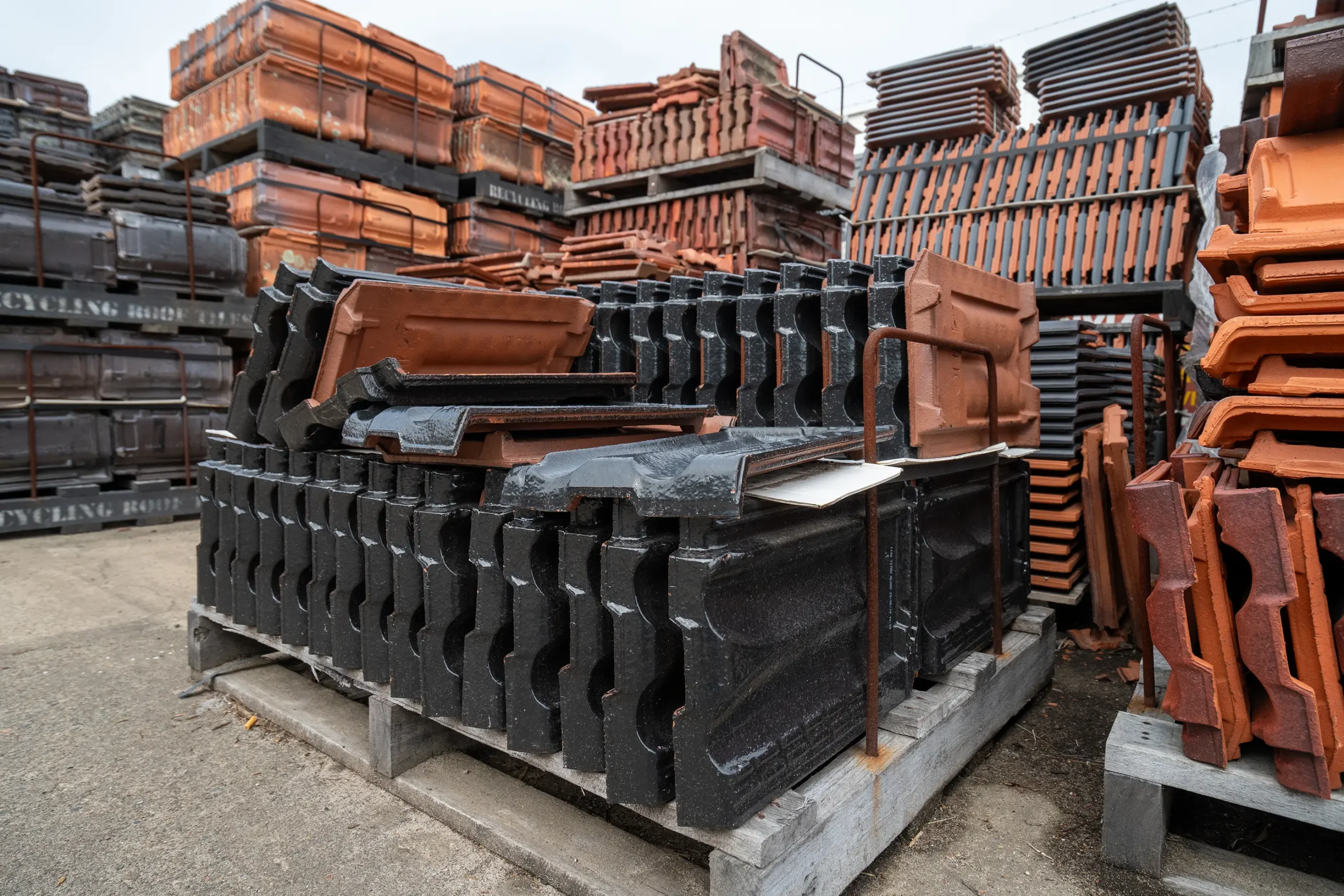
Recycling Roof Tiles carries recycled terracotta stock at its Doyalson yard for repairs across Sydney, Newcastle and the Central Coast.