When you’re out in your shorts on Christmas Day or sweltering in the pool through another endless summer, it’s easy to see how Australia’s climate is one of the best in the world for outdoorsy sun worshippers, but those same hot and bright days can also play havoc with your roof.
So what are the main dangers that Australian roofs are threatened by, and what can you do to help keep yours safe? Let’s take a look.
High Temperatures
The most apparent feature of Australia’s climate is extreme heat. Depending on where you live, you might regularly find yourself exposed to some of the highest temperatures on Earth.
The record in Australia is just shy of 50 degrees celsius , which is only 6 degrees celsius short of the highest temperature ever recorded, and all that heat and sun can have a nasty impact on your roof structure.
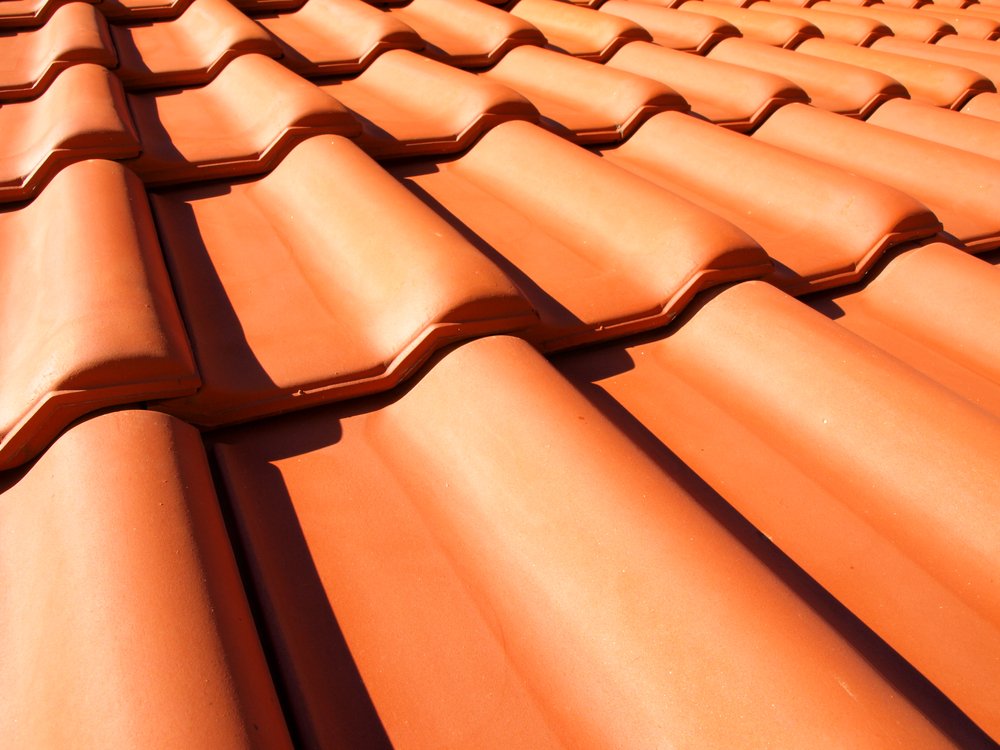
Cracking is the biggest problem, caused by the tendency of things to expand when heated and then contract as they cool later.
Constant expanding and contraction can eventually cause your tiles to split apart or make existing faults even worse, and ultimately, they can leak or even fall off altogether.
Similarly, these changes can happen so much that they become permanent, and your roof can warp.
This is what causes tiles to become curly at the ends, but it can be even more severe when the structure of the roof does the same thing and becomes unstable
Extreme Weather Conditions
While Australia is known for its extreme heat, climate change brings a few extra extremes to the list, especially in coastal areas by the ocean.
Everything from hurricane-force winds, hailstones like golf balls and flash flooding rainstorms can cause noticeable damage just through physical force alone, but each element can make the damage even worse and long-lasting.
Heavy rain can rot tiles and make them more vulnerable to heat damage; hail and strong winds can remove tiles and make your roof vulnerable to leaks, while the sun can cause cracks that let the rain, wind and hail in.
How Can You Prevent It?
So it seems like the world is conspiring against your roof no matter what you do, but there are ways you can minimise the damage and stay safe and dry!
Ensuring you inspect your roof for damage regularly and replace broken or missing tiles is a must because just one or two weak links can make the whole roof less safe, and you don’t want to find out about a broken tile in the form of a massive leak!
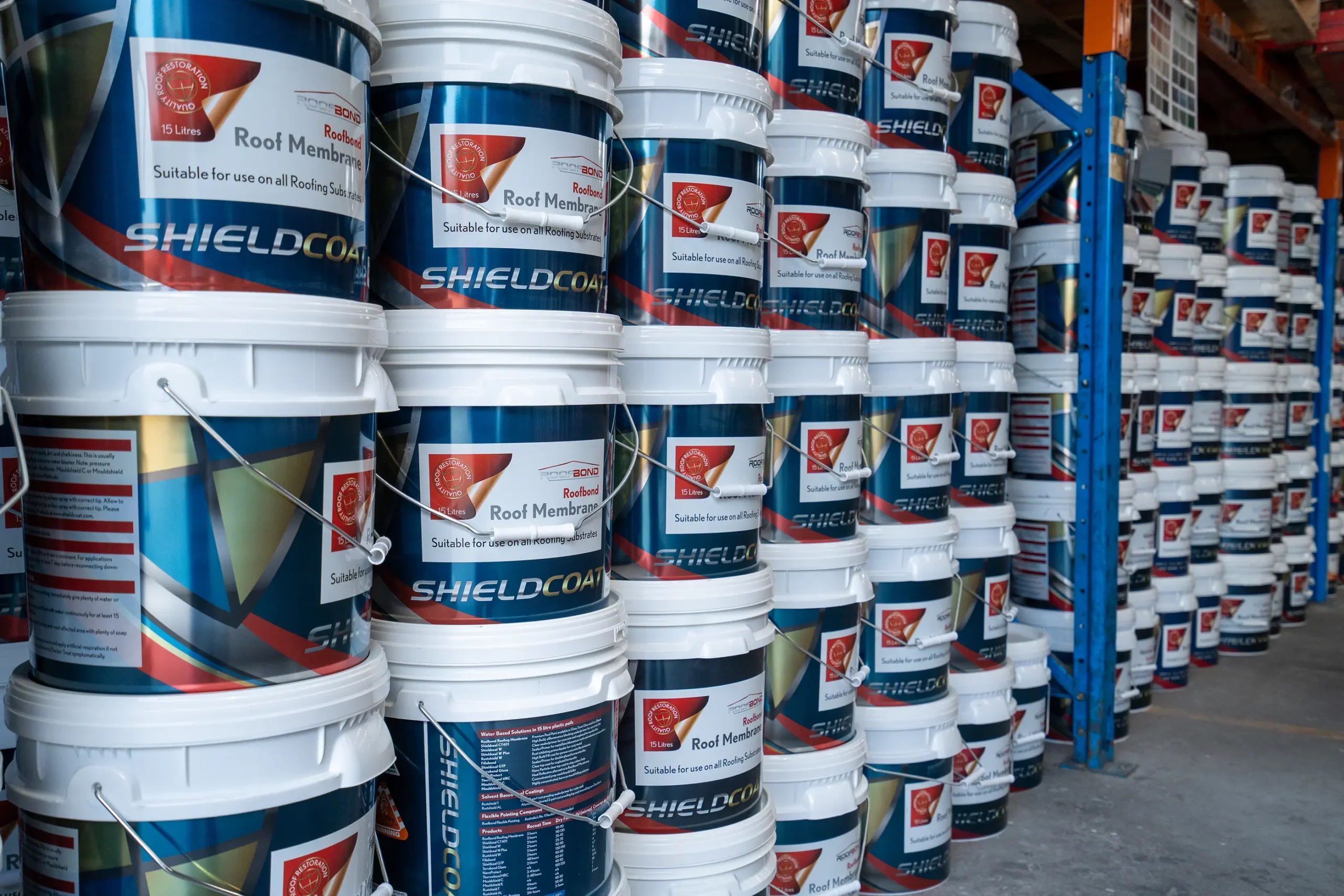
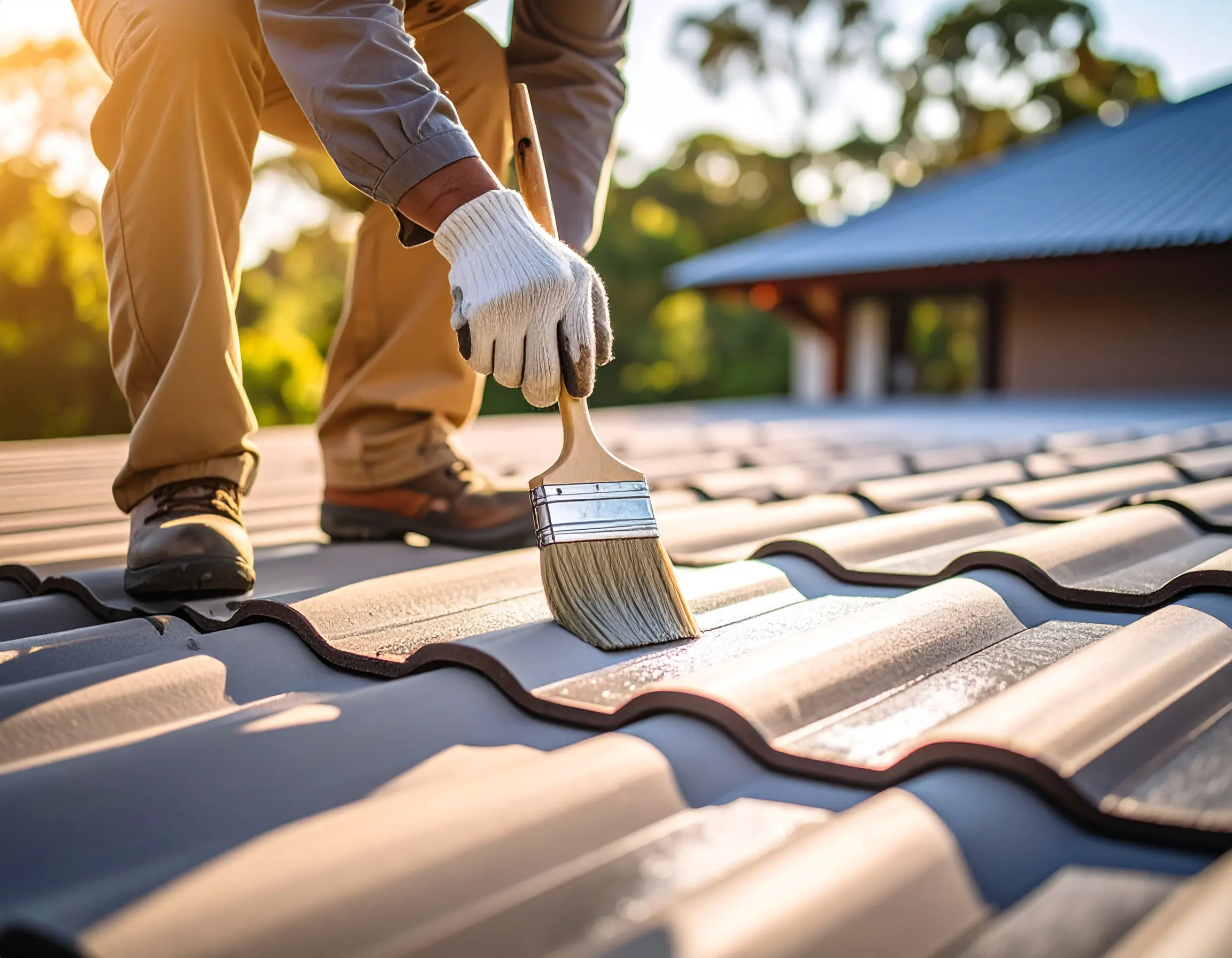
You can also create tiles less likely to break and crack by treating them with weatherproof paint to make them less likely to be damaged in the first place.
This protects your roof from the sun’s rays and heavy rain.
Call the Recycling Tile Professionals Today!
If you really want peace of mind, get in touch with Recycling Roof Tiles to make sure your roof gets a clean bill of health.
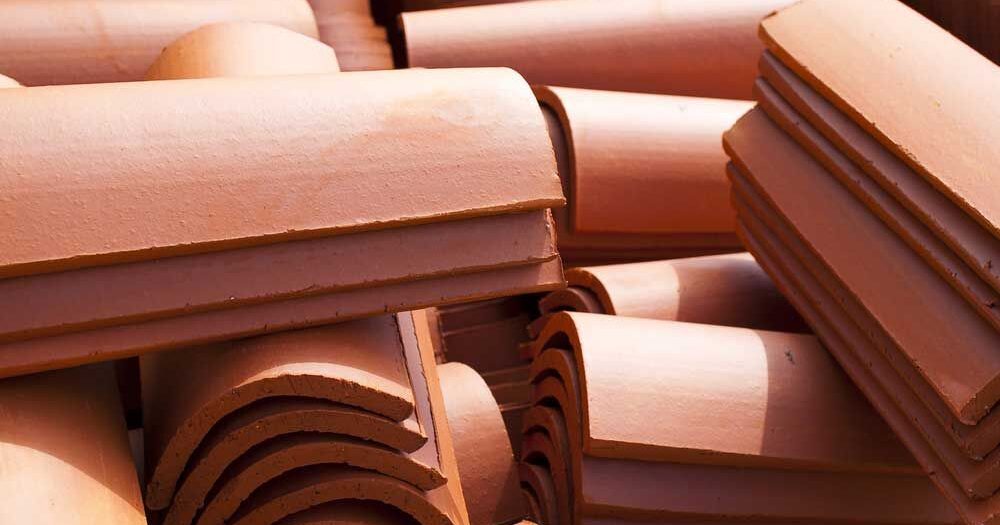
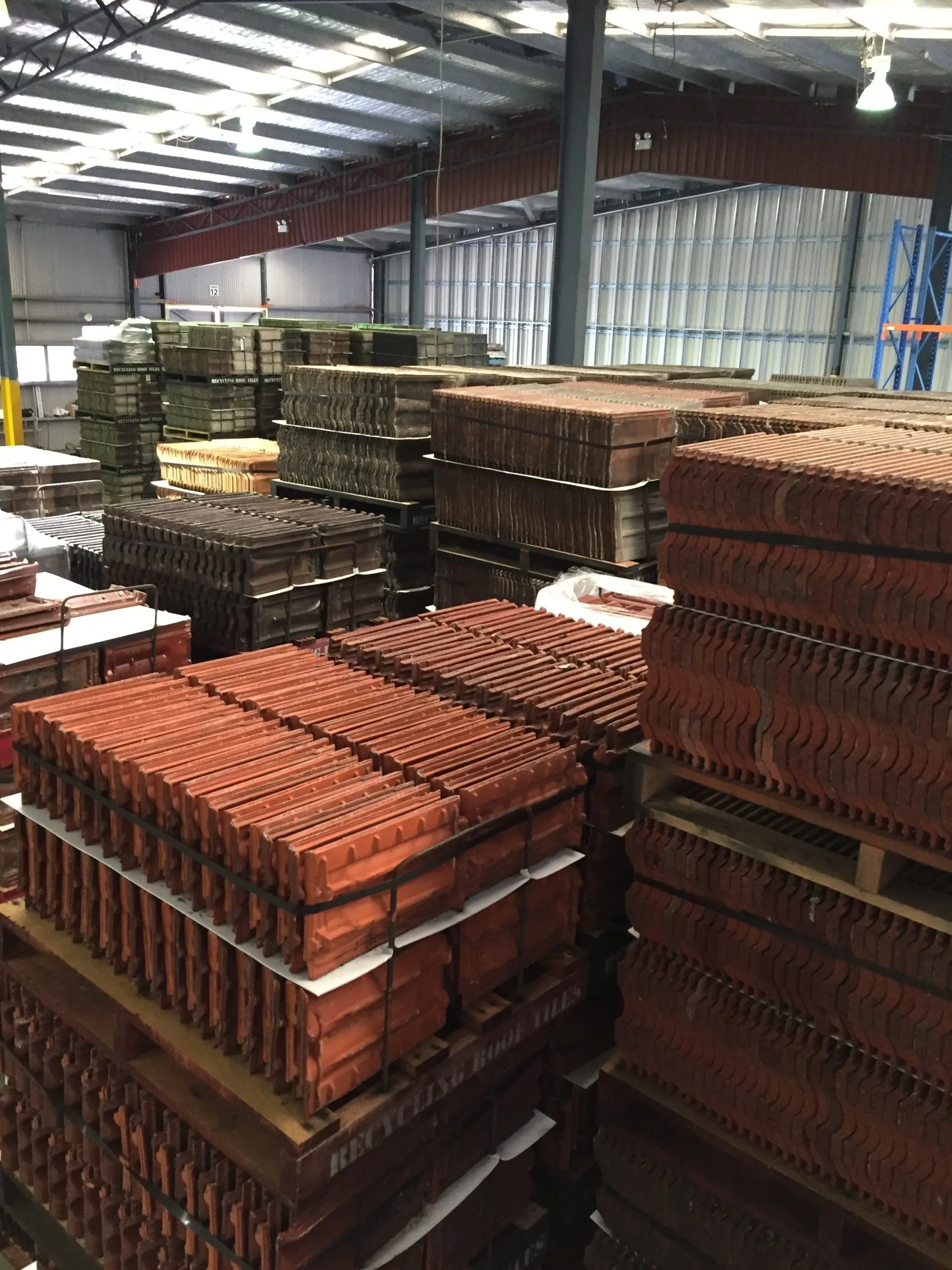
We specialise in sourcing and matching recycled terracotta tiles that will keep your roof protected in a way that’s much better for the environment and less wasteful, too, while still maintaining that great look and style you’re so proud of.
We can even provide weather-resistant paints of all kinds to ensure your new tiles last even longer than the old ones.
Get in touch today to start your journey to peace of mind!
If you’re wondering if painting your roof tiles is a good idea, read our previous blog!